Dive into the NBS BIM Object Standard and learn how to create the best BIM objects to showcase your products to specifiers on NBS Source.
BIM objects are an essential part of the construction industry, but ensuring consistency and quality across the board can be tricky.
When manufacturers create objects to a recognised standard, they provide reliable and consistent information that supports both practice and project-specific needs. This gives specifiers peace of mind in the accuracy and quality of digital models, therefore streamlining workflows and building confidence among clients and project managers.
At NBS, we’re committed to making the design and build experiences as straightforward and seamless as possible, and unifying BIM objects to a certain standard is a huge part of this.
We’ve created the NBS BIM Object Standard, which forms the foundation of creating high-quality BIM objects. Any objects that meet this standard are clearly marked with the green BOS stamp in NBS Source.
As a manufacturer, you need to understand the best practices for BIM Objects in order to meet the NBS BIM Object Standard. By following the tips in this guide, you can create better BIM objects that appeal to specifiers and foster better collaboration across the board.
What is a BIM object?
Even if you already understand the basics of BIM, we’ll cover them again here to help make sure everyone is up to speed…
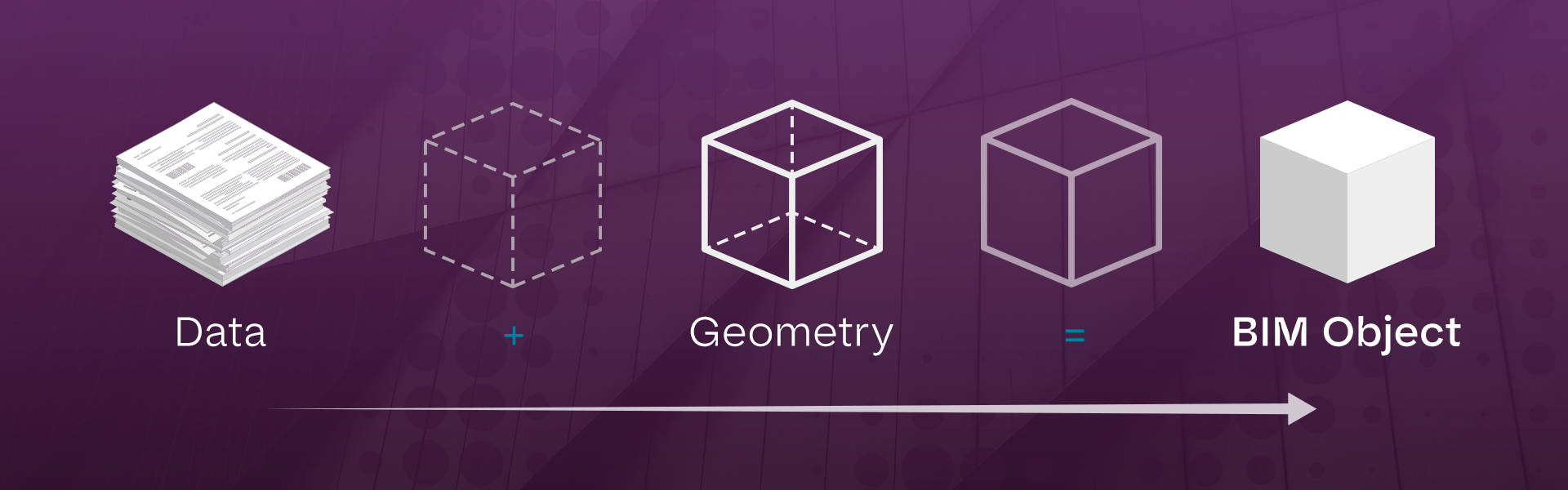
A BIM (Building Information Modelling) object is a digital version of a real-world component. It contains the product and geometry that represent that product’s physical characteristics.
Within the BIM object is a visualisation, so specifiers can see how it will look, as well as behavioural data, which allows designers to position the object exactly how it would work within a real-life environment.
There are two primary types of BIM objects:
- Component objects: Building products with fixed geometrical shapes such as windows, doors, boilers, etc.
- Layered objects: Building products that do not have a fixed shape or size, such as carpets, roofing, walls, and ceilings.