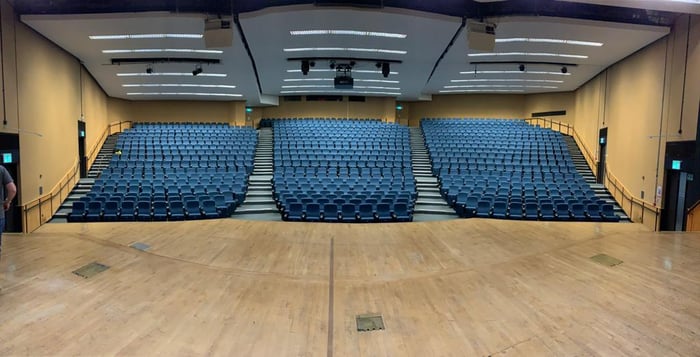
The Construction Leaders' Summit 2024 has already been and gone.
Missed it? Don’t worry – we’ve got you covered.
Involving experts on both the specification and manufacturing side of the construction industry, the event focused on some clear topics that are set to dominate the changing face of UK construction over the coming years. If you want to stay ahead of these important topics, you can look out for the key presentations as they become available to watch via our events page.
For now, we’ve created a quick summary of the five biggest takeaways from the CLS 2024. Read them below to get up to speed with the industry’s trending topics…
1. Building safety is an immediate priority
The Building Safety Act is no longer a concept for the near future. The regulations are now firmly in effect, and they have damaging consequences for businesses that fail to comply. Paul Morrell’s keynote address on building safety made it clear that specifiers and manufacturers alike must recognise the seriousness of the regulations and come together to drive better standards. We need to improve how we test products, produce documentation, and manage data to create better buildings, because the act applies to all buildings.
2. Work towards the triple bottom line
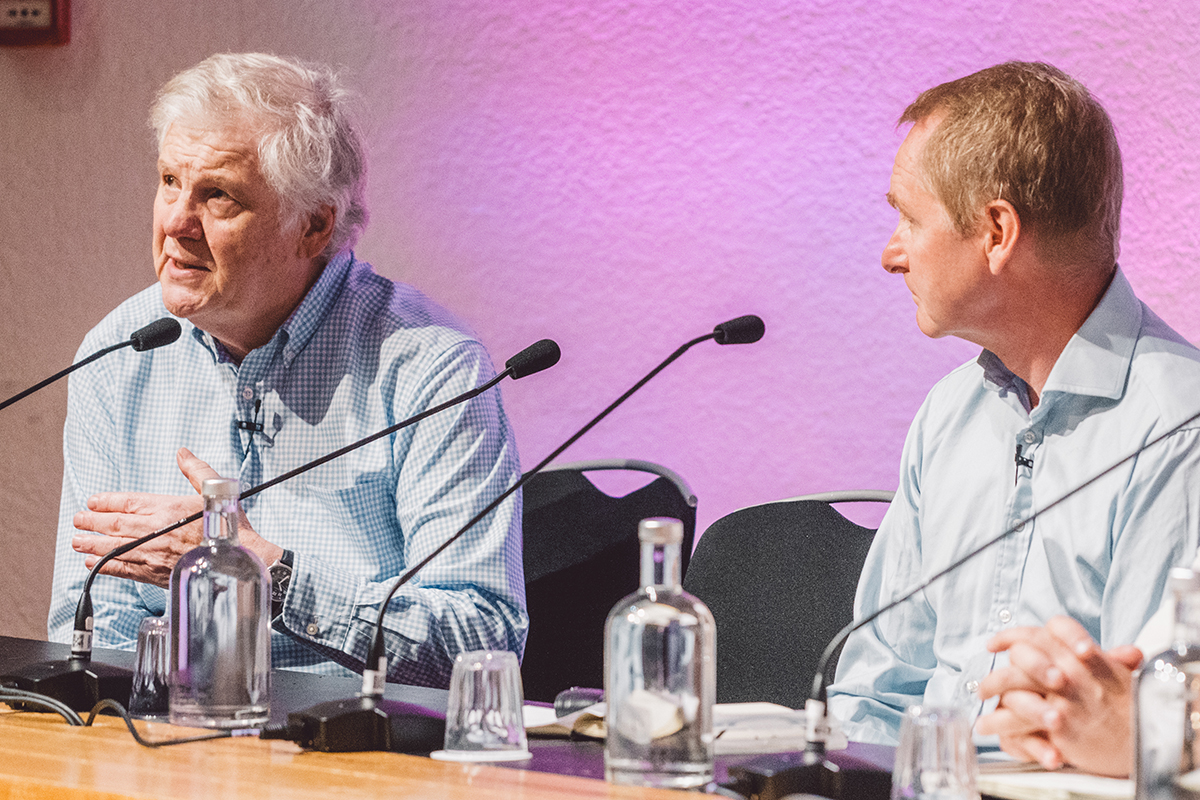
Chris Hines, MBE, was an instrumental activist in the famed Surfers Against Sewage campaign. At the CLS 2024, he gave a fantastic talk on sustainability and presented the idea of the ‘triple bottom line’ that construction businesses must consider. Rather than solely focusing on profit, a company should instead look at People, Planet and Profit to help build a better, more sustainable world.
3. Documentation is crucial for compliance
The new requirements within the Building Safety Act and rising sustainability standards both place increased pressure on specifiers to include as much in-depth information as possible when producing specifications. The specification is a key part of the ‘Golden Thread’ of information required by the Building Safety Act – and in addition, implementing a change management process is essential to record all changes to the specification as a project develops.
NBS Chorus gives you all the tools you need to build a compliant specification that includes all relevant safety and sustainability information.
4. AI is not a passing trend
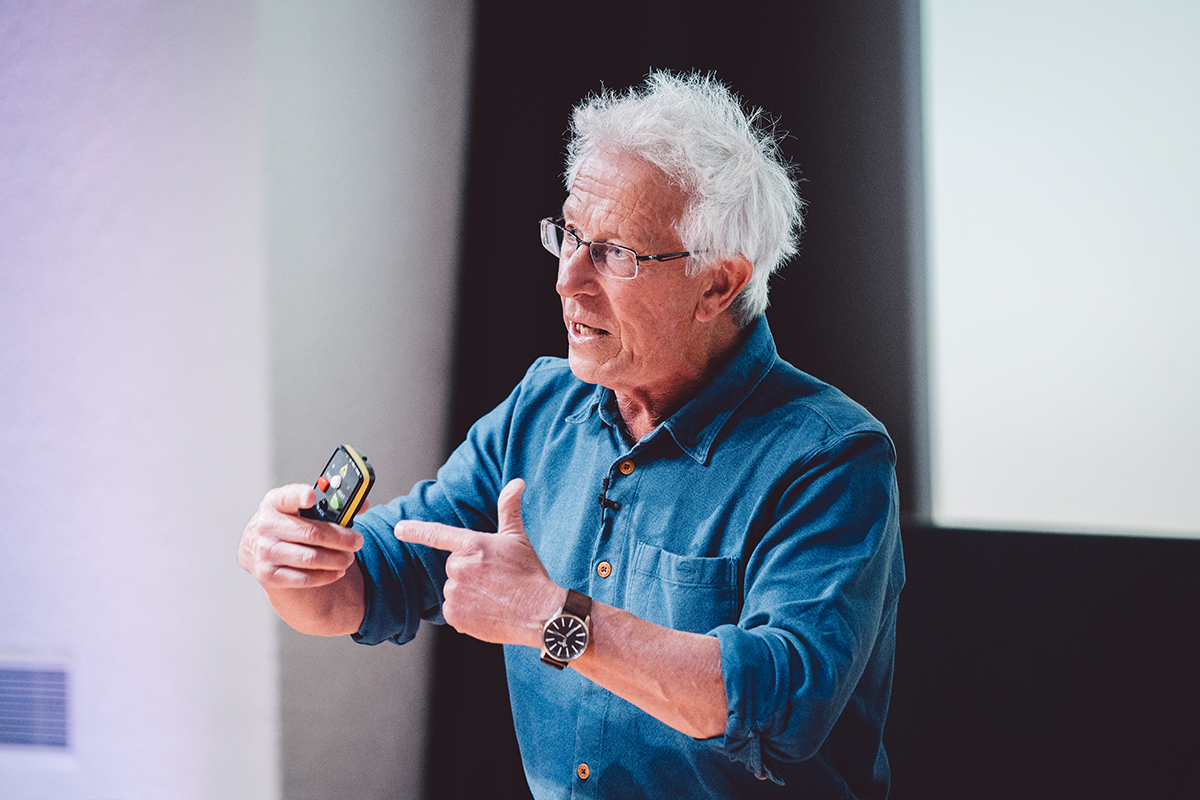
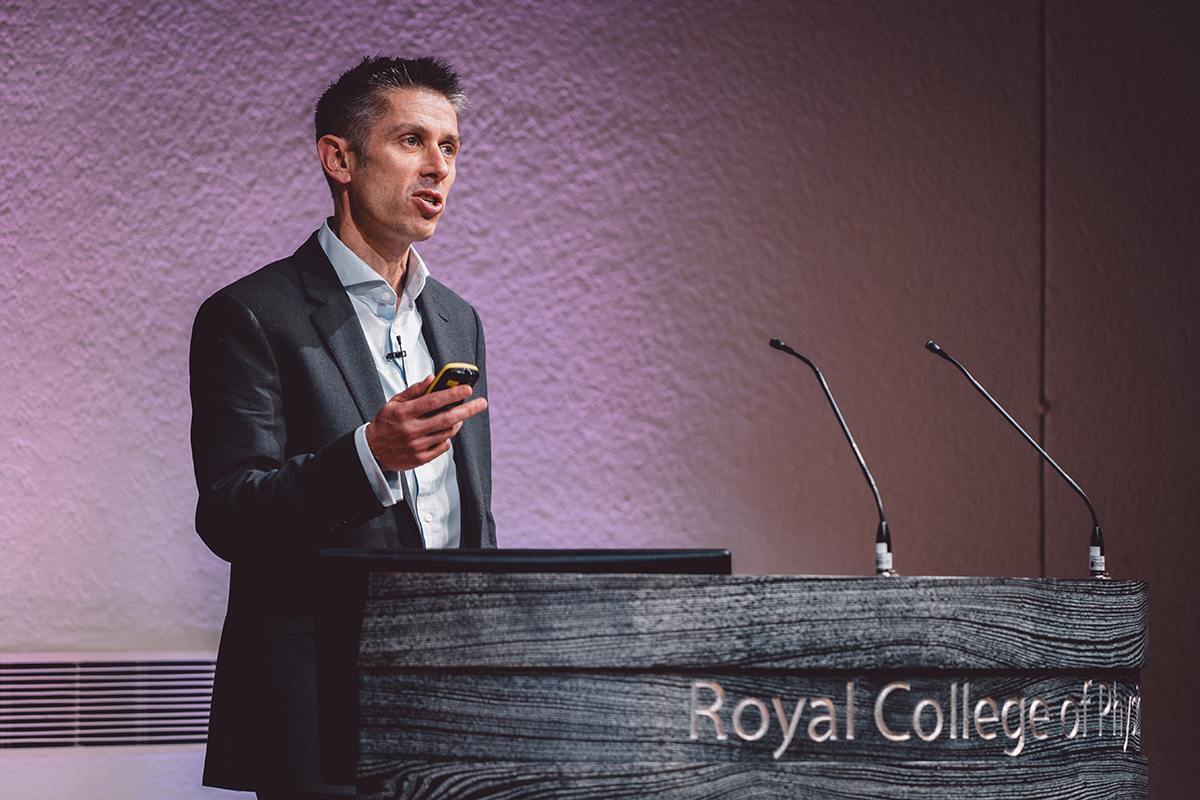
Artificial Intelligence is not just a trend that has become popular through the likes of Chat-GPT. It is a new form of technology that will have a lasting impact on how all areas of the built environment work in the future, providing powerful predictive analysis and automation. Karen Burns, CEO at Fyma, shared interesting use cases for AI and explained that adoption is already ramping up considerably, with 24% of construction companies set to be using AI by 2025, as opposed to just 12% in 2020.
5. Our industry thrives on collaboration
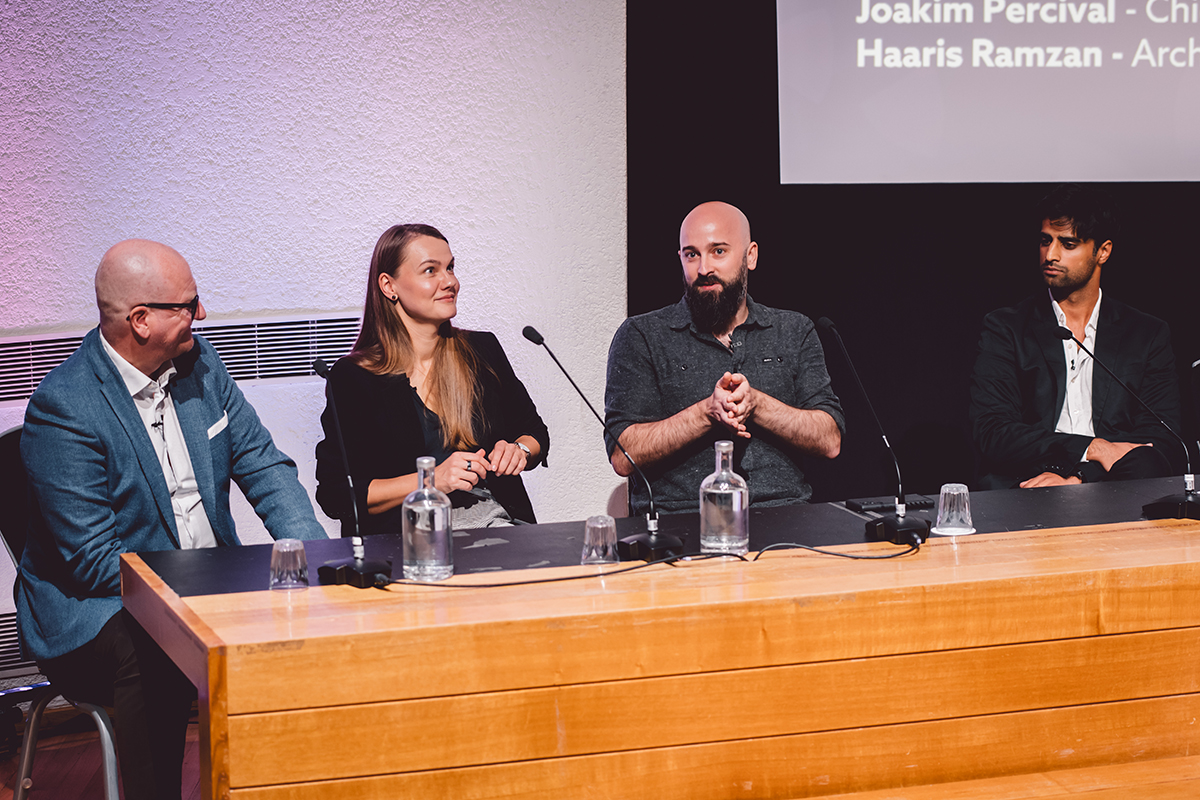
One thing abundantly clear after an event filled with 250 construction industry professionals is that collaboration is one of our sector’s biggest strengths. Working from home and in silos may be a good flexible option for businesses, but there’s no replacement for coming together in person for a day of great speakers discussing the biggest issues in the industry.
There you have it: five key points from the CLS 2024. But with so many interesting discussions around Building Safety, Specification, AI and Sustainability, you’re really missing out. Head over to the event page where Paul Morrell’s speech is ready to watch, with the other keynotes coming soon.