With tightening regulations and growing client demand, the construction industry is under increasing pressure to demonstrate measurable progress against carbon reduction targets. For specifiers, that means ensuring every product installed stands up to scrutiny, not just in material, but in source, traceability, and lifetime carbon footprint. JELD-WEN, a specialist timber door, door kit and doorset manufacturer, explains the critical considerations when selecting sustainable materials.
In the UK, the built environment is widely recognised as a major contributor to emissions, accounting for around 25% of total greenhouse gas emissions. Operational carbon has dominated the conversation for years, but the focus has moved upstream. Embodied carbon is now a key factor on many projects, and material selection is where much of that impact is determined. This shift means sustainability credentials must be designed into a construction project from the outset. This starts with informed product selection that’s supported by robust evidence and extends through to traceability, responsible sourcing, and lifecycle transparency.
The material choice
Within doorset specification, timber is an established material. Its performance credentials are well understood, and its role in delivering compliant, high-quality doorsets is already embedded across the built environment.
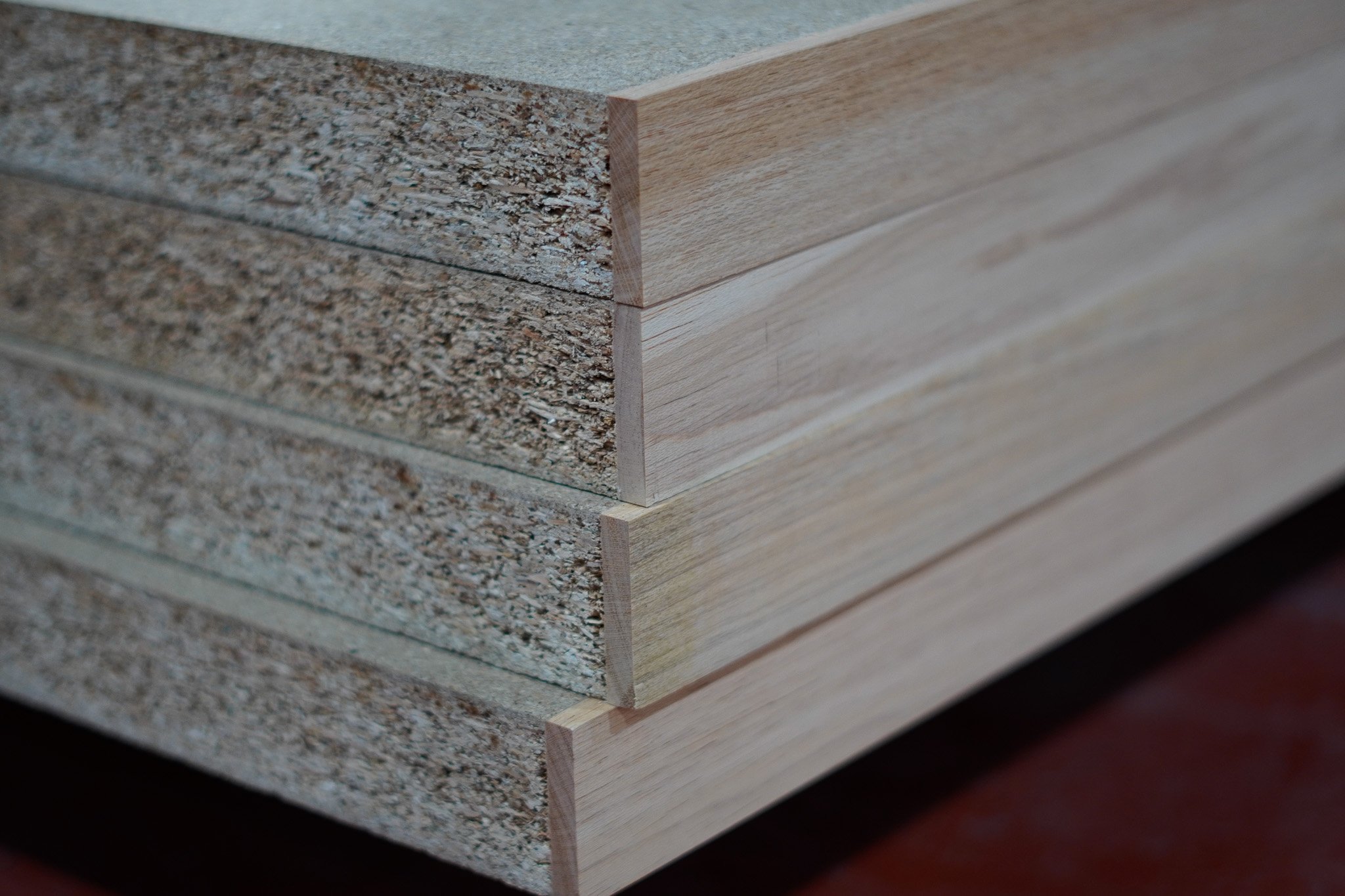
As the industry sharpens its focus on embodied carbon, timber’s advantages are becoming increasingly important. Known for its ability to absorb carbon as it grows, timber offers a clear benefit in reducing the upfront carbon impact of construction products. Compared to more carbon-intensive materials such as steel or aluminium, timber doorsets can contribute meaningfully to lower whole-life carbon outcomes. But beyond simply selecting timber, specifiers now need to consider where that timber comes from, how it is verified, and what evidence proves its sustainability credentials.
Traceability is now expected
One of the biggest challenges facing the construction sector is evidencing sustainability claims, making traceability an important consideration at the specification stage.
Certification schemes such as the Forest Stewardship Council (FSC) and the Programme for the Endorsement of Forest Certification (PEFC) provide independently verified assurance that timber is sourced from responsibly managed forests. When supported by Chain of Custody certification, they enable timber to be tracked from source through to the final product, giving specifiers confidence in what they are procuring.
In the UK, the Timber Procurement Policy (TPP) has established a clear expectation for legally and sustainably sourced timber in public sector projects. Increasingly, that expectation is being mirrored across private sector developments, as sustainability commitments become more formalised and more closely scrutinised.
At the same time, regulation is evolving. The European Union Deforestation Regulation (EUDR), due to come into force in December 2026, will introduce stricter due diligence requirements, including traceability to the point of origin and proof that timber is not linked to deforestation. While EU-focused, its impact will be felt across UK supply chains, particularly for manufacturers and projects operating across borders.
Together, these frameworks signal that traceability is no longer a value-add, but a baseline requirement.
From claims to credible data
Alongside traceability, there is a growing expectation for quantifiable, verifiable data. As embodied carbon becomes a central metric in project evaluation, specifiers are increasingly relying on third party verified Environmental Product Declarations (EPDs) and lifecycle assessments to inform decisions.
This reflects a wider industry shift towards evidence-based specification. Rather than broad sustainability claims, stakeholders are looking for clear comparable data such as the embodied carbon of a product, its lifecycle impact, and how it contributes to whole-building performance.
For projects targeting certification schemes such as BREEAM, material selection, responsible sourcing, and lifecycle impact all contribute to overall project ratings. Credits can be influenced by factors such as the use of responsibly sourced timber, the availability of EPDs, and transparent supply chain information, placing greater emphasis on the quality of data provided by manufacturers. Similarly, broader frameworks such as LEED and WELL are continuing to shape expectations around sustainability, health, and material transparency, particularly on high-profile commercial and mixed-use developments.
There is also less tolerance for vague claims. The Competition and Markets Authority (CMA) Green Claims Code has made that clear, requiring environmental claims to be accurate, substantiated, and transparent. This reinforces the need for robust documentation and third-party verification, moving specification decisions away from what a product says it can do towards what can be demonstrated.
A more informed approach to specification
To meet growing sustainability demands, specifiers must look beyond surface-level claims and critique the details behind them. That includes understanding certification, reviewing carbon data, and asking questions about sourcing, manufacturing, and end-of-life.
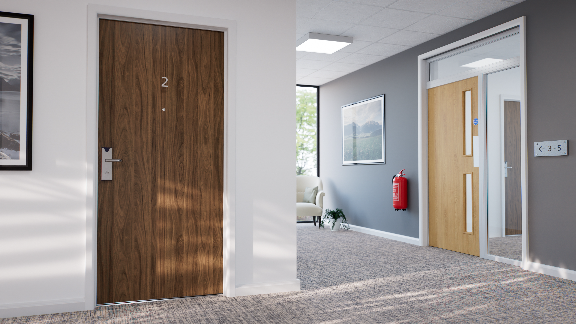
Working with manufacturers such as JELD-WEN can make that process more straightforward. Established supply chains, clear visibility over timber sourcing and the ability to provide consistent products and scale all play a role in giving specifiers confidence in their choices. Just as importantly, access to robust documentation, from EPDs through to Chain of Custody certification, helps to ensure that those choices stand up to increased scrutiny.
As the sustainability conversation evolves, materials must earn their place in a project through proven performance, verified sourcing and transparent data. That calls for a more disciplined approach to product selection, grounded in clear traceability and a thorough understanding of how materials perform in use. Ultimately, the focus is shifting from what can be claimed to what can be evidenced, placing specification at the centre of delivering buildings that perform as designed over time.
References sources
1. 25% of total greenhouse gas emissions.
https://ukgbc.org/news/the-whole-life-carbon-roadmap-answering-your-data-faqs-received-to-date/#:~:text=The%20built%20environment%20is%20responsible,Circular%20Economy%20and%20Carbon
2. Forest Stewardship Council (FSC)
https://fsc.org/en
3. Programme for the Endorsement of Forest Certification (PEFC)
https://www.pefc.org/
4. Timber Procurement Policy (TPP)
https://www.gov.uk/guidance/timber-procurement-policy-tpp-prove-legality-and-sustainablity
5. European Union Deforestation Regulation (EUDR)
https://environment.ec.europa.eu/topics/forests/deforestation/regulation-deforestation-free-products_en
6. Competition and Markets Authority (CMA) Green Claims Code
https://greenclaims.campaign.gov.uk/