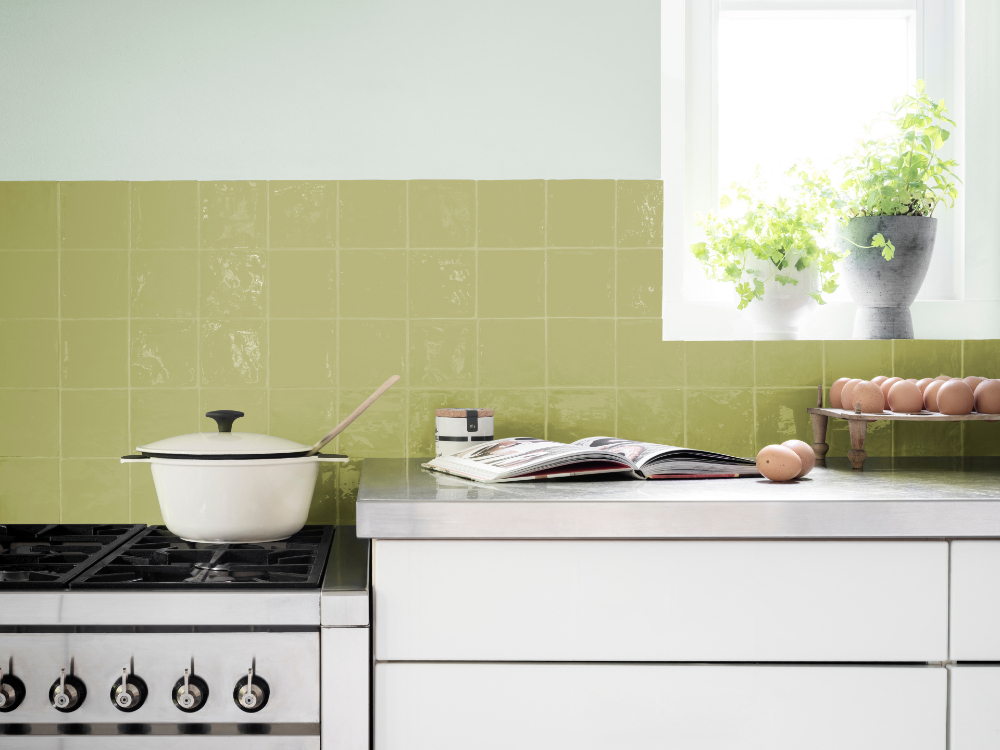
Because of how they are used, kitchens and bathrooms experience more moisture, more contact, and more ongoing maintenance. Standard emulsions are not designed for this level of use. Over time, finishes can lose their appearance or fail to cope with the environment. Kitchens and bathrooms benefit best using a product formulated specifically for their daily demands.
Did you know that kitchens and bathrooms are among the most intensively used and maintained rooms in UK homes? Kitchens are cleaned more frequently than any other space¹, while bathrooms form part of daily routines for most households². This regular interaction places greater demands on walls and finishes than in most other rooms.
Because of how they are used, kitchens and bathrooms experience more moisture, more contact, and more ongoing maintenance. Surfaces are worked harder, cleaned more often, and exposed to conditions that don’t exist elsewhere in the home.
Standard emulsions are not designed for this level of use. Over time, finishes can lose their appearance or fail to cope with the environment. Kitchens and bathrooms benefit best using a product formulated specifically for their daily demands.
The challenge of high humidity and stains in kitchens and bathrooms is constant; moisture is not occasional. Steam builds quickly and repeatedly from cooking and showering, then cools into condensation that settles on walls, ceilings and corners throughout the day³. This constant cycle can soften ordinary paints, affect appearance and make surfaces harder to maintain. This could lead to damp and mould problems, especially in buildings without modern damp-proof courses or membranes. Moisture can enter a building's structure through rising damp, penetrating damp, or condensation. Once moisture appears, mould can develop quickly.
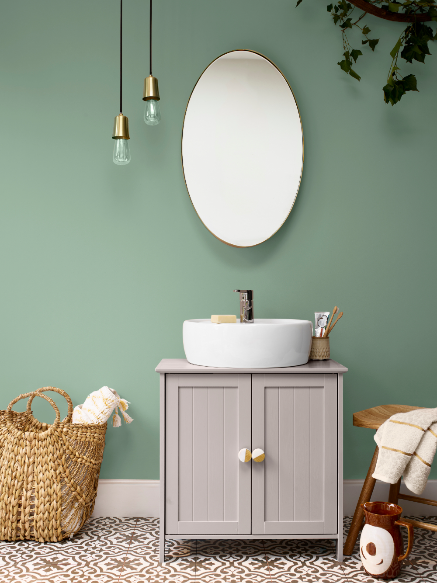
Tackling mould
As a fungus, mould releases spores and volatile compounds into the air, which can be harmful to all occupants, and particularly dangerous for vulnerable groups such as children and those with compromised immune systems.
-
Left untreated, damp and mould can:
-
Damage plaster, timber, paint films and finishes
-
Erode the structural integrity of walls and floors
-
Create unhealthy indoor environments
-
Require costly, invasive remediation works later on
- Lead to legal liability under the new legislation
This makes an accurate diagnosis crucial. Painting over mould—even with a mould-resistant paint—without tackling the underlying moisture first, is pointless. The mould will just grow back, often more quickly than before, and the problem may embed itself deeper into the building structure. If this stage is skipped, any subsequent coating—even the best anti-mould paint—cannot deliver long-term protection.
Staining
Alongside humidity, these rooms are also exposed to regular staining. Kitchens face food splashes, oils and grease, while bathrooms are marked by soap, toiletries and daily use. As a result, walls are wiped down frequently, adding further pressure to the finish. While kitchens and bathrooms are most affected, similar condensation can also occur in utility rooms, poorly ventilated bedrooms and other colder areas of the home. Not all paints are designed for this level of wear. Scrub resistance varies widely across the category. Scrub Class 1 ISO 11998 coatings are tested to withstand up to 200 scrub cycles, while Type C BS7719 finishes are tested to 2,000 cycles4. In rooms that are cleaned week after week, this difference has a clear impact on how long a finish lasts.
One solution for all
Dulux Trade Durable Kitchen & Bathroom Eggshell simplifies the decision in two of the most challenging areas of the home. Instead of choosing between overlapping or specialist options, decorators now have one eggshell finish designed to deliver reliable performance across both kitchens and bathrooms. It combines durability, cleanability and a flatter low-sheen finish, giving a consistent result wherever steam, stains and regular cleaning are part of everyday life.
The product's humidity-resistant, mould-preventative formula delivers Scrub Class 1 durability and stain resistance, helping surfaces stay fresher for longer. For specifiers working across the residential sector, it offers practical performance across a range of settings:
-
Social housing: Reduces long-term maintenance demands in high-occupancy kitchens and bathrooms, keeping spaces looking fresh even under sustained use.
-
Hotels and leisure: Delivers a durable, easy-to-clean finish that withstands heavy traffic while maintaining a high-quality appearance in both guest-facing and back-of-house spaces.
- Healthcare and education: Meets the hygiene and durability standards required in these more demanding environments. The product is also 99.9% VOC-free and BREEAM-compliant, supporting improved indoor air quality and helping projects align with recognised sustainability frameworks
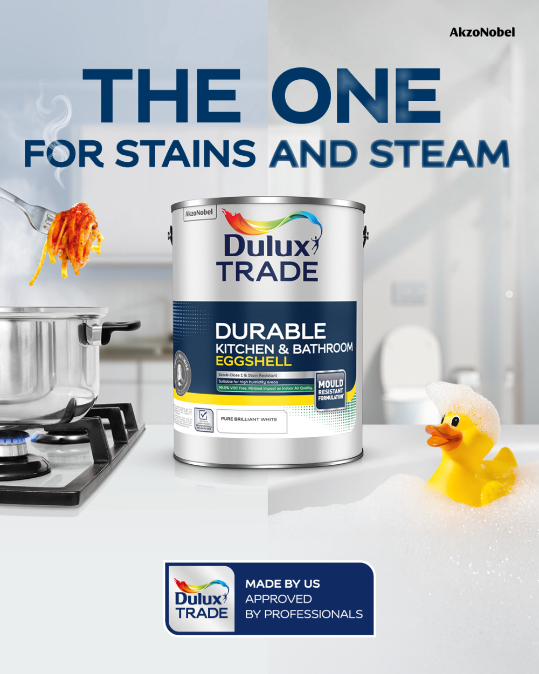
Dulux Trade Durable Kitchen & Bathroom Eggshell delivers:
Unlimited colour options: Dulux Trade designer colour matching, offering the best colour choices.
Faster drying times: Including NCS2, British Standards, and VOC FREE recoat time of 2-4 hours depending on conditions, to get the job completed quicker.
Rigorous testing: Meets tough ISO standards and Dulux’s own Tested & Approved By Professional Decorators process, ensuring top performance and reliability.
Sustainability: 99.9% VOC-free to support sustainability and environmental targets. BREEAM and LEED compliant, helping decorators meet green building accreditations.
Superior opacity: Performs exceptionally well and can be thinned with water, saving time, and additional costs.
Higher spread rate: Covers 30% more area than Dulux Easycare.
Scrub class rating: A longer-lasting finish and burnishing resistance for trade products.
Learn more
¹ Gtech UK household cleaning survey, via Good Homes Magazine ² YouGov UK hygiene and bathroom usage research *DBS Bathrooms research. ³ UK housing and condensation guidance, Centre for Sustainable Energy / UK housing studies. 4 EN 13300 scrub resistance classification standard