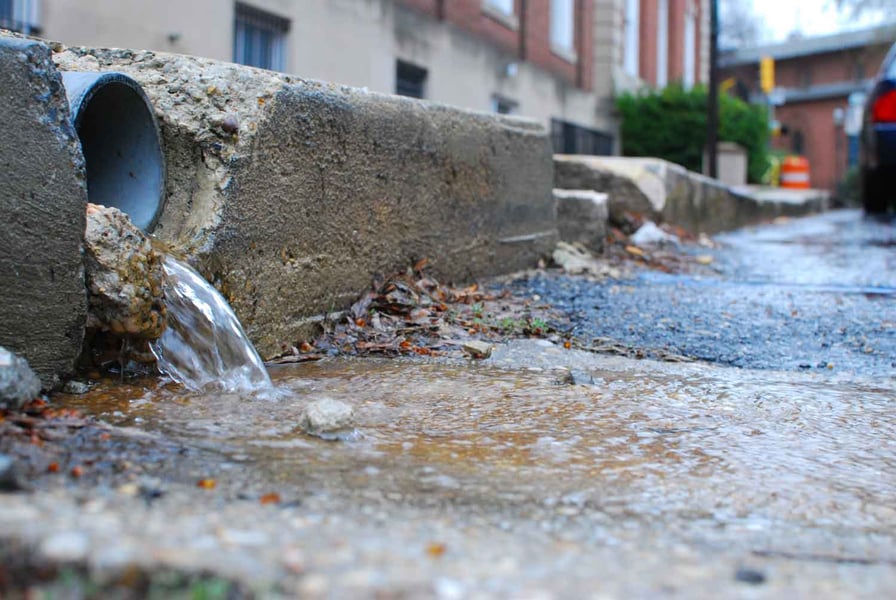
Urban flooding represents the most common yet severe environmental threat to cities and towns worldwide. Future changes in rainfall extremes are likely to increase this threat, even in areas that could become drier.
The urbanisation process itself is one of the major causes of urban flooding. Buildings, pavements and road areas are impervious to stormwater. When the amount of stormwater that the urban landscape can retain or infiltrate is exceeded, water starts to flow downhill, generating runoff.
Besides flooding, stormwater runoff is also a major cause of pollution and ecological degradation of urban streams. Reducing the amount of stormwater runoff conveyed to stormwater pipes is central to the restoration and protection of our waterways.
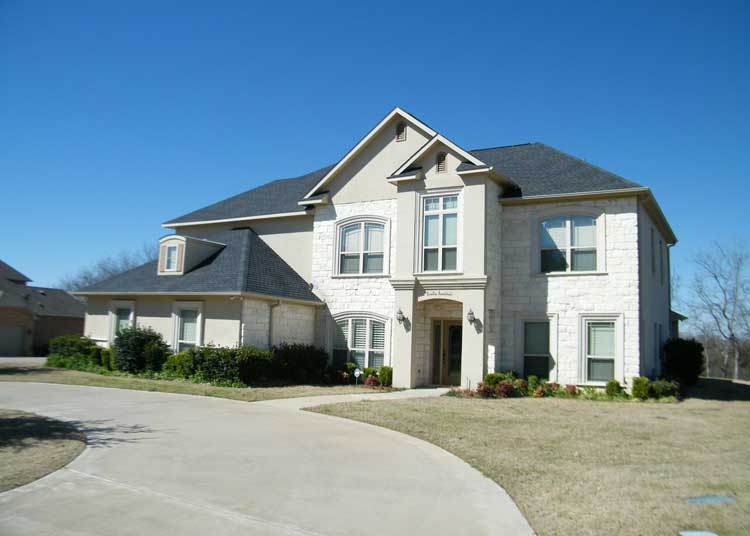 Paving front yards is an increasingly popular practice to create car spaces in our busy cities. This can increase water runoff from private households.
Urban flooding
In urban areas, large volumes of stormwater runoff are generated from impervious surfaces located on private residential land, such as roofs and our beloved backyard patios.
For example, based on work we did for the City of Melbourne, even in very dry years the average amount of stormwater generated from a typical urban land parcel in Melbourne, Australia, is about 83,000 litres per year (assuming a total impervious area of 250 square metres).
On the other hand, residential gardens make up more green space in total than urban public parks or nature reserves, making backyards essential water-permeable areas within cities.
In the United States, it is estimated that urban lawns cover an area of about 128,000 square km - about three times the area cultivated with corn, the US’s largest irrigated crop.
In Australia, 83.5% of households - or about 6,733,600 homes - have a garden, compared with roughly 52,000 recreational parks and reserves.
The death of the backyard
Unfortunately, our gardens are quickly changing under new economic drivers and social norms. Researchers found that paving of residential gardens in Leeds, UK, increased by 13% over a period of 33 years (1971-2004). That generated a 12% increase in runoff from the same gardens.
People are also getting detached from gardening due to lack of time and interest. Similar to Britain, the “death of the Australian backyard” may be under way here too, as newly built houses are growing bigger at the expense of our gardens.
Despite the shrinkage of residential gardens, these green spaces still offer valuable private and public benefits, particularly if managed in a water-sensitive way.
Stormwater generated by impermeable surfaces can be captured in our gardens, disconnecting residential properties from municipal sewer systems. Gardens are also widespread across the urban landscape, helping in the decentralised management of urban stormwater runoff.
Creating a water-sensitive garden
Residential gardens can act like sponges. When it rains, plants intercept water on leaves and canopies. Rainwater can then percolate through the soil or evaporate back into the atmosphere. The remaining water is lost as superficial runoff.
Planting more trees, shrubs and grasses in our gardens would help to intercept greater amounts of stormwater, causing water to be transpired back into the atmosphere through the vegetation.
Allowing mulch and leaf litter to accumulate, or using practices such as differential mowing, could also help to reduce runoff.
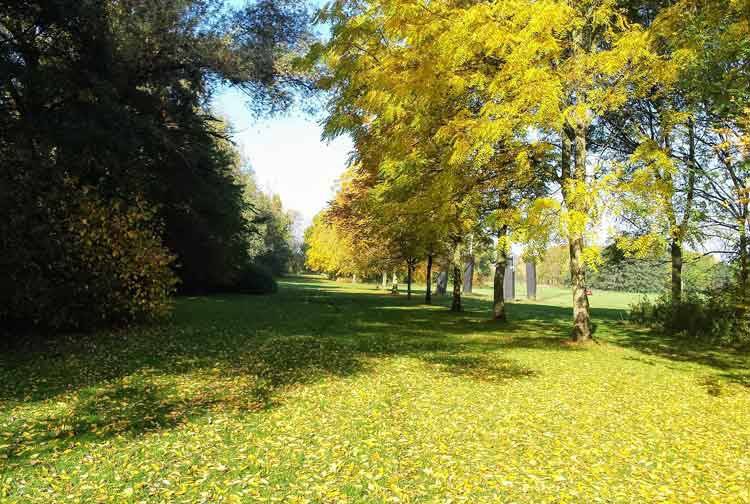 Gardens with dense vegetation made of trees, shrubs and grasses intercept substantial volumes of rainwater, decreasing runoff reaching sewage systems and waterways. This type of vegetation also helps to cool buildings during summer, reducing energy consumption.
“Rain gardens” are water-sensitive designs composed of a highly porous substrate (for example 50 cm of loamy sand) planted with native vegetation (or even vegetables).
Usually, stormwater diverted to rain gardens is allowed to pool to a depth of 20-30 cm before any overflow is diverted back to the drainage system. This can be achieved by surrounding the rain garden with raised wooden edging which greatly improves system performance.
Rain gardens can be easily used to intercept the stormwater generated from a typical Melbourne household. By installing a rain garden as small as 10 square metres, the amount of stormwater conveyed downstream could be reduced from approximately 83,000 litres per year to around 15,000 litres per year. This represents close to an 81% reduction.
In rain gardens, most of the intercepted stormwater is infiltrated back into the soil. This can provide nearby vegetation with soil water, helping to decrease the use of drinking water for irrigation (particularly during dry periods).
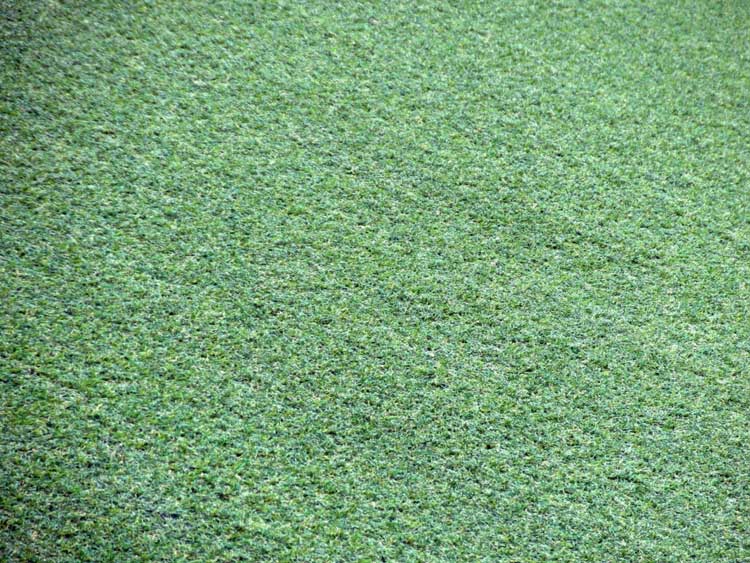 A private garden with a lawn covered in synthetic turf. While not considered a proper pavement, this lawn still represents an impervious area not allowing water to percolate into the soil and contributing to increased superficial stormwater runoff.
At the local level, numerous city councils and green groups are also starting to recognise the importance of de-paving our neighbourhoods to create greener and healthier cities. For example, in the United States, Philadelphia’s Water Department, offers advice to landlords on de-paving your backyard. Depave, a Portland-based environmental group, also aims to remove unnecessary paved areas in local neighbourhoods through community engagement and participation.
Our private gardens are much more than refuges from the hustle and bustle of modern cities. They are part of the solution to some of our most pressing urban environmental problems, such as stormwater management.
Fortunately, there are numerous ways we can make each garden a water-sensitive one.
This article was originally published on The Conversation. Read the original article.
Image: Hard surfaces increase the risk of urban flooding. Chesapeake Bay Program/Flickr, CC BY-NC