Paul Fletcher: BIM – Collaboration and Integration
Sep 27, 2011 |NBS
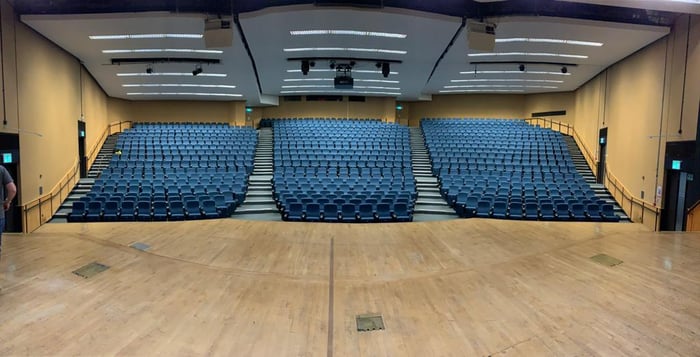
On Friday 16 September, NBS held its first BIM conference in conjunction with NLA at The Building Centre in London.
This special event brought more than 200 construction professionals together to hear from an expert panel of industry speakers and join in a lively morning of debate.
BIM – Collaboration and Integration – Inspiring BIM presentation from RIBA Construction Strategy Group chair Paul Fletcher. To many, Paul was the star performer of the conference. Tweet of the day of the day was "Paul Fletcher on fire!". Essential viewing.
RIBA CPD for Architects: Understanding Flooring Specification and Detailing
For architects and specifiers, flooring details can have a significant impact on the safety, accessibility, durability and overall performance of a building. Yet the technical considerations surrounding stairways, floor transitions, and floor finishes are not always straightforward.
RIBA CPDSponsored
Designing sustainability into construction – proof over promises in sustainable construction
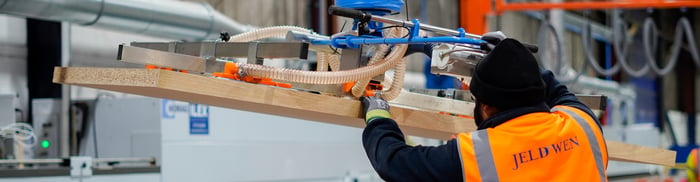
With tightening regulations and growing client demand, the construction industry is under increasing pressure to demonstrate measurable progress against carbon reduction targets. For specifiers, that means ensuring every product installed stands up to scrutiny, not just in material, but in source, traceability, and lifetime carbon footprint. JELD-WEN, a specialist timber door, door kit and doorset manufacturer, explains the critical considerations when selecting sustainable materials.
Sponsored
Dulux Trade launches new solution for high-humidity spaces
Because of how they are used, kitchens and bathrooms experience more moisture, more contact, and more ongoing maintenance. Standard emulsions are not designed for this level of use. Over time, finishes can lose their appearance or fail to cope with the environment. Kitchens and bathrooms benefit best using a product formulated specifically for their daily demands.