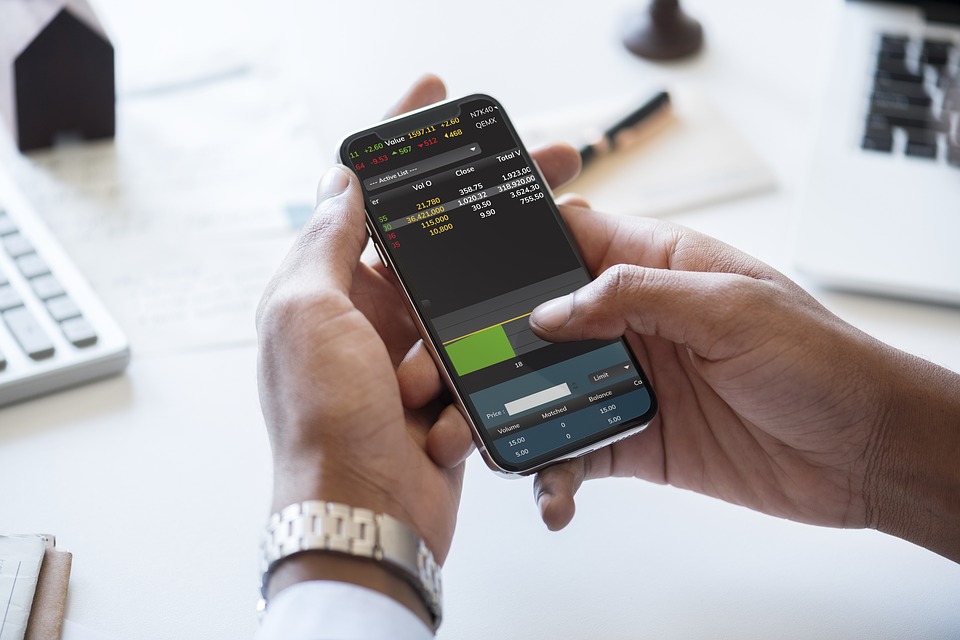
There are hundreds of gadgets you can use to measure, document and design more effectively on both large and small scale construction projects, but it was a very bright idea indeed to integrate these tools into something each and every one of us carries in our pocket.
Where mainstream mobile phones have evolved to encompass your address book and digital camera, phones for the construction industry pull together your thermal imaging camera, range finder and air quality sensor. The latest releases - such as the Cat S61 - boast that you can have all of these typical and industry-specific features in one sleek-looking model (although it’ll set you back the same amount as an iPhone X).

Features of the Cat S61
-
Thermal imaging from -20 to 400 Degrees Celsius
-
Live stream thermal imaging to show colleagues back at the office
-
HD photography and 4K video capture
-
Indoor air quality sensor
-
Laser assisted distance measurement system
-
Dust and water resistant
-
Aluminium-reinforced frame
Handy apps for your construction project
For those who can’t afford a smartphone tailor-made for the industry, there are dozens of different apps that claim to solve common on-site problems. Some are for calculations and measurements while others offer you a way to sketch, design and brainstorm - see our article here for all of the best ones.
Bring your own device (BYOD)
The concept of staff using their own tablets or mobile phones on the construction site is one the industry has discussed at length. While some see it as both time and cost effective, others have found problems show up further down the line with security, privacy and software standardisation.
So will smartphones revolutionise the construction industry?
Writing for BIM Plus, Tom Ravenscroft encourages construction managers to ‘see smartphones as an asset, not a liability’, citing the benefits the devices can have for the ‘onsite recording and reporting process’ - benefits that in his eyes far outweigh any potential risks.
Not all improvement happens on site, either, so it’s also worth noting that smartphones give you immediate access to a world of industry conversation on social media, popular construction websites, news outlets and more.
However, it remains to be seen whether custom models like the Cat S61 will have long-lasting effects within the built environment, particularly because of their price tag and the rapid evolution of other technology. Companies with a more limited income may choose to invest in 3D printers, drones and other innovations rather than something a site manager could drop on their way to work.
Liked this article? You may also like:
Exoskeleton set to take the strain for construction workers
St John Ambulance app puts first aid advice at your fingertips