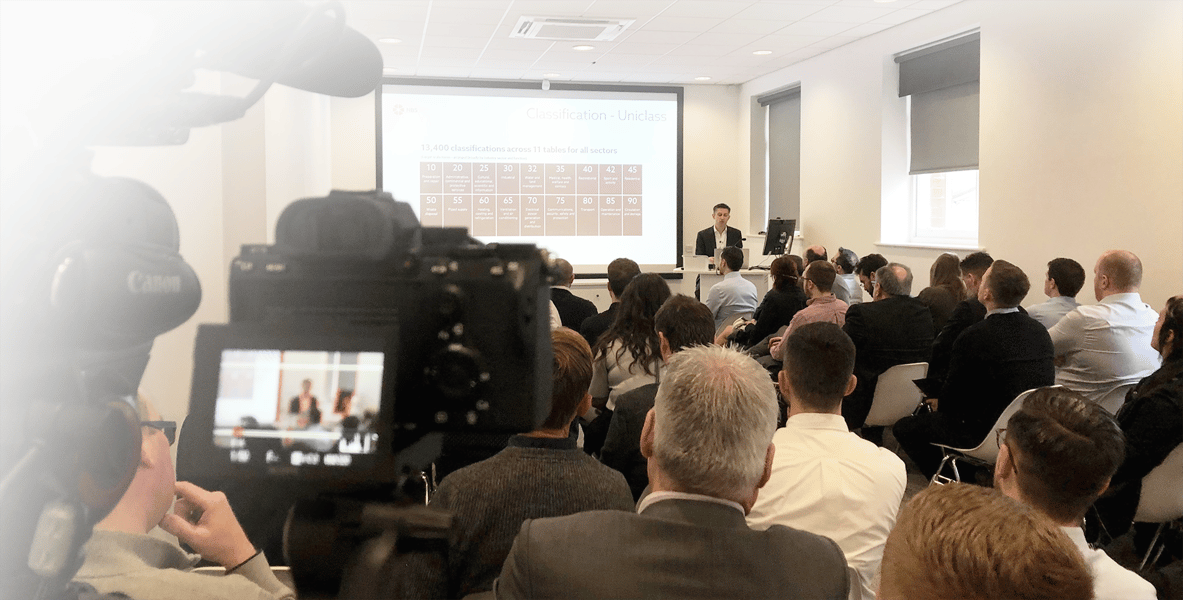
Following the publishing of the ISO 19650 series of standards for BIM, we invited Paul Shillcock to NBS HQ to present to the North East BIM community.
In this video, Paul explains what this will mean for those working on BIM projects that adopt these standards.
We also heard from Dr Stephen Hamil, NBS Director of Innovation, who gave an update and overview of Uniclass 2015 which is the classification system of choice in the UK Annex attached to the new international standards.
If you missed out on this event, sign up here to be the first to hear about future events from NBS.
RIBA CPD for Architects: Understanding Flooring Specification and Detailing
For architects and specifiers, flooring details can have a significant impact on the safety, accessibility, durability and overall performance of a building. Yet the technical considerations surrounding stairways, floor transitions, and floor finishes are not always straightforward.
RIBA CPDSponsored
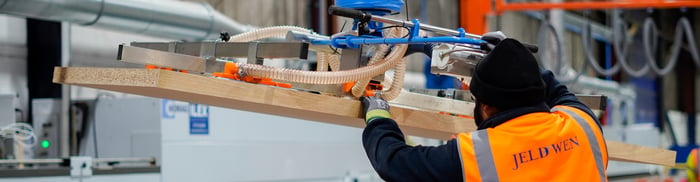
Designing sustainability into construction – proof over promises in sustainable construction
With tightening regulations and growing client demand, the construction industry is under increasing pressure to demonstrate measurable progress against carbon reduction targets. For specifiers, that means ensuring every product installed stands up to scrutiny, not just in material, but in source, traceability, and lifetime carbon footprint. JELD-WEN, a specialist timber door, door kit and doorset manufacturer, explains the critical considerations when selecting sustainable materials.
Sponsored
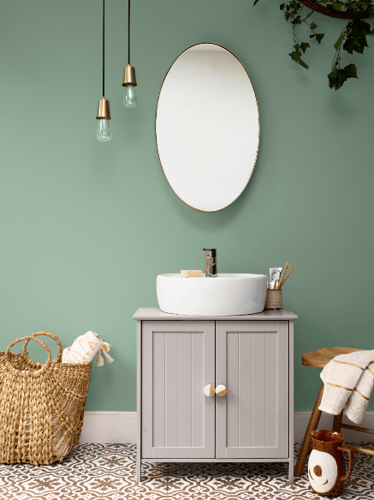
Dulux Trade launches new solution for high-humidity spaces
Because of how they are used, kitchens and bathrooms experience more moisture, more contact, and more ongoing maintenance. Standard emulsions are not designed for this level of use. Over time, finishes can lose their appearance or fail to cope with the environment. Kitchens and bathrooms benefit best using a product formulated specifically for their daily demands.