
In the spring we launched our brand-new platform NBS LCA. NBS LCA combines a library of generic and manufacturer data with easy-to-use tools for assessing the carbon impact of a project.
Our ambition has been to create a robust and transparent content library that is easy to use by all construction professionals, not just expert sustainability consultants.
New functionality since launch
Since launch, we’ve received some fantastic feedback and suggestions for enhancements - and our team has been busy delivering them. Here are some of the latest features.
-
Easy re-use of information
You can now copy an existing carbon assessment or individual assembly from a master or previous project into a new project.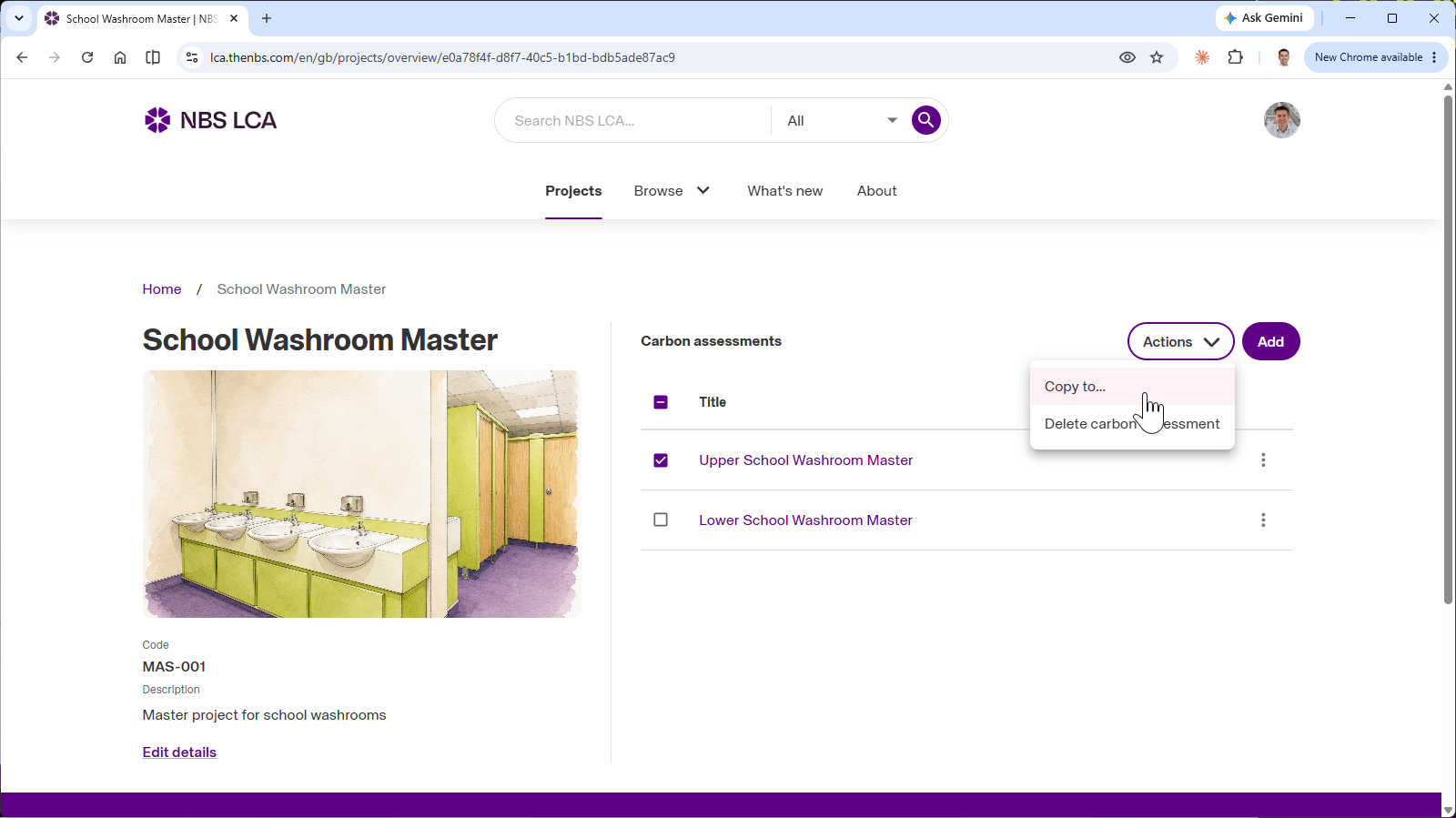
Figure 1 – Copy carbon data from previous projects or masters
-
Adding to your carbon assesment
As well as searching and filtering the library first, you can now add objects directly from within an open carbon assessment.
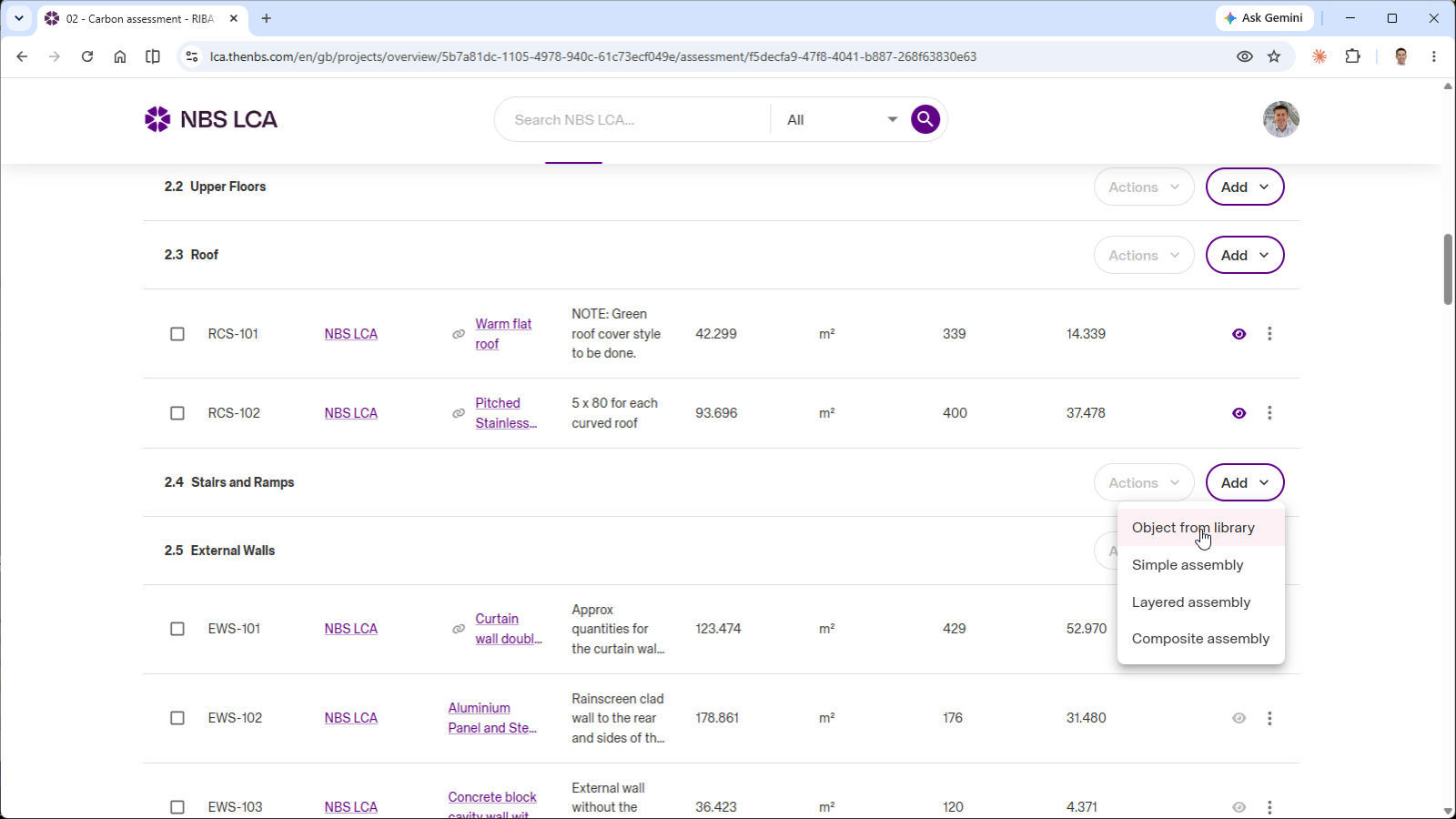
Figure 2 – Select to add an object from the library
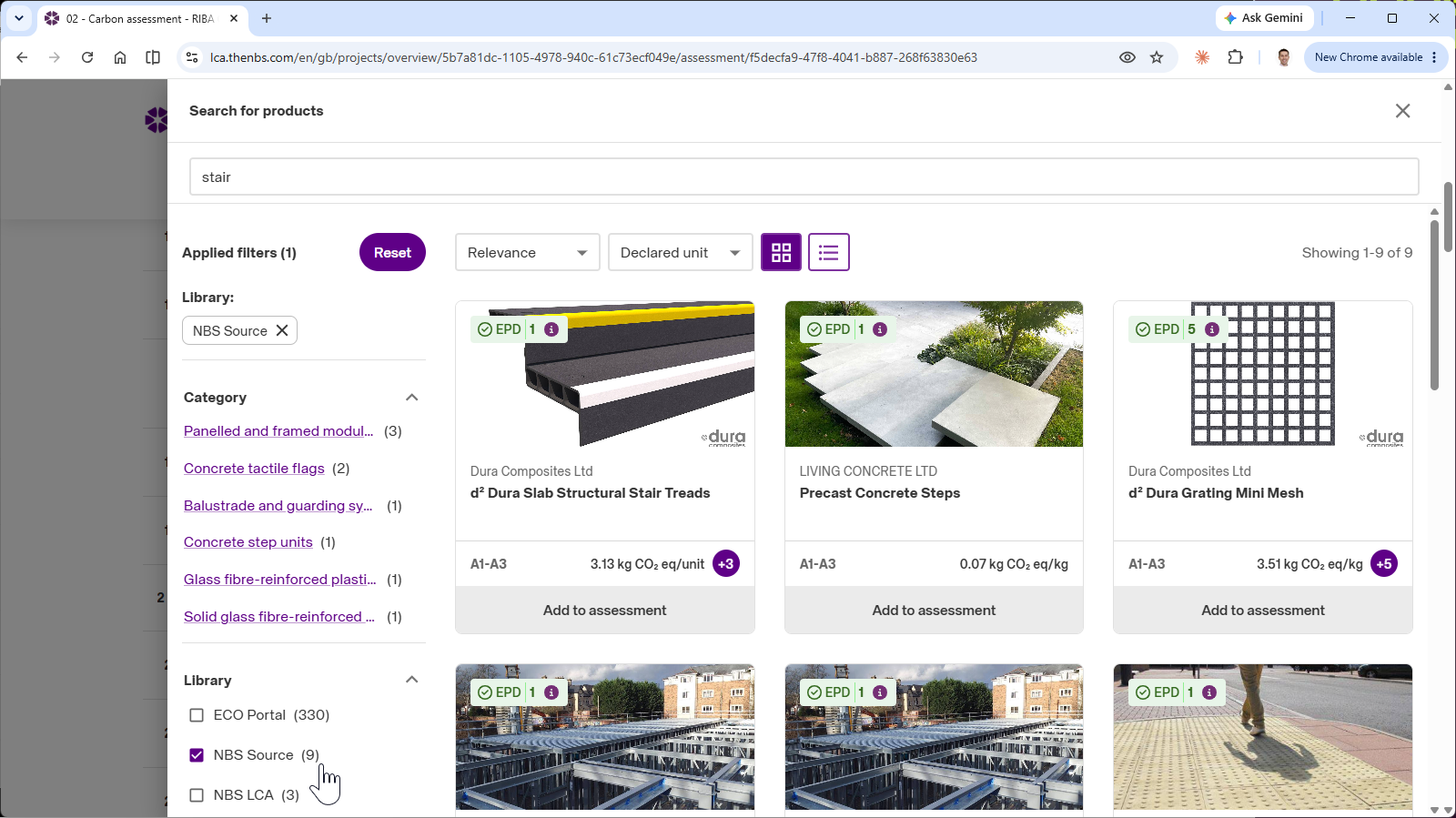
Figure 3 – Directly find that object to add to the open carbon assessment
-
Create your own assemblies
‘Out of the box’ NBS LCA comes with 1,000s of pre-prepared standard assemblies. Building on this, it is now possible for practices to create their own. Whether it’s a wall build-up containing the exact material layers in your design, or a composite object with your chosen ratio of concrete, steel and air voids, you can now create it and add it to your assessment.
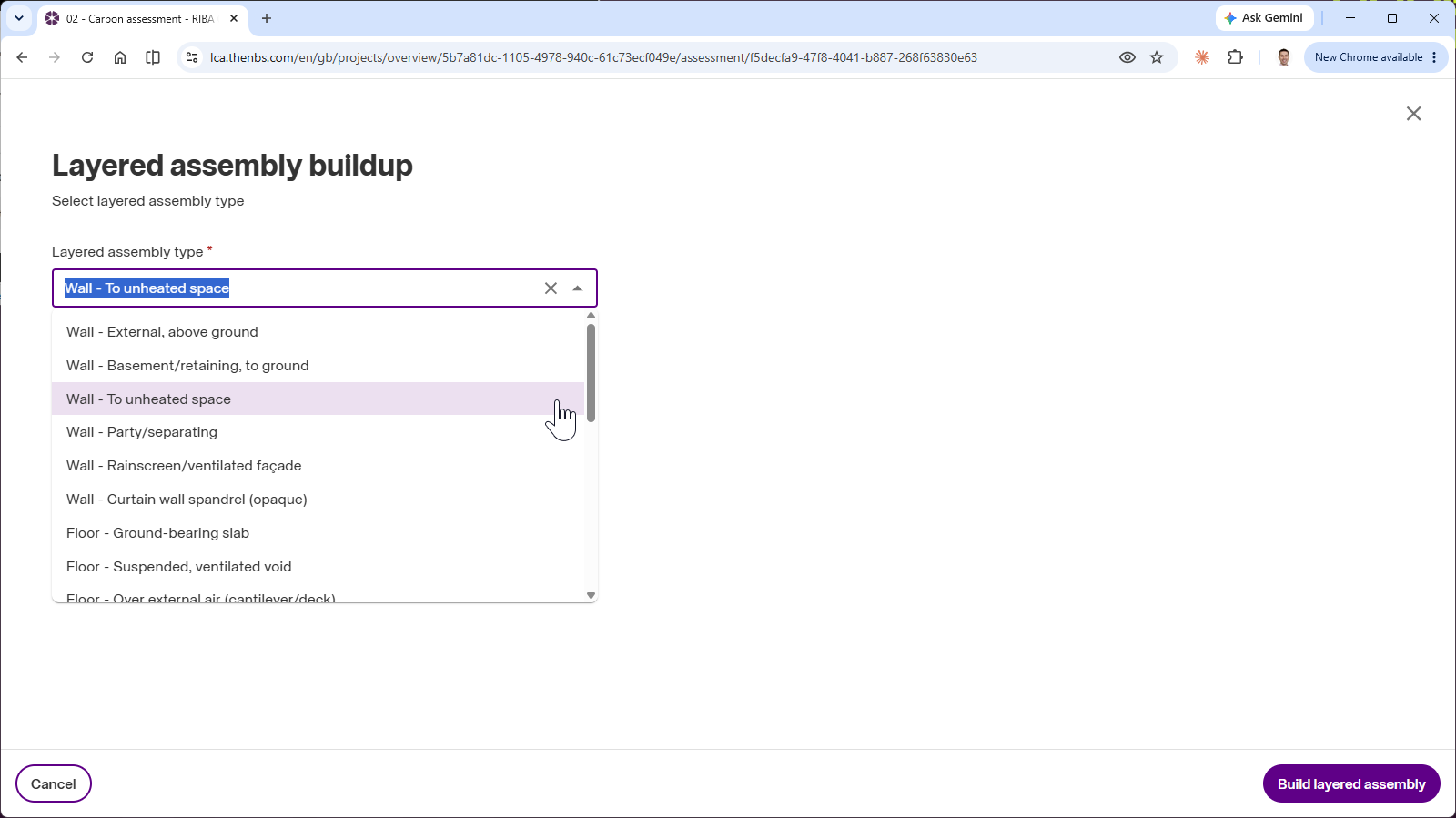
Figure 4 – Build your own assembly
-
Analytics
Each carbon assessment now has a tabbed view. Each carbon assessment now includes an Analytics tab, with charts showing which elements of the design have the greatest carbon impact.
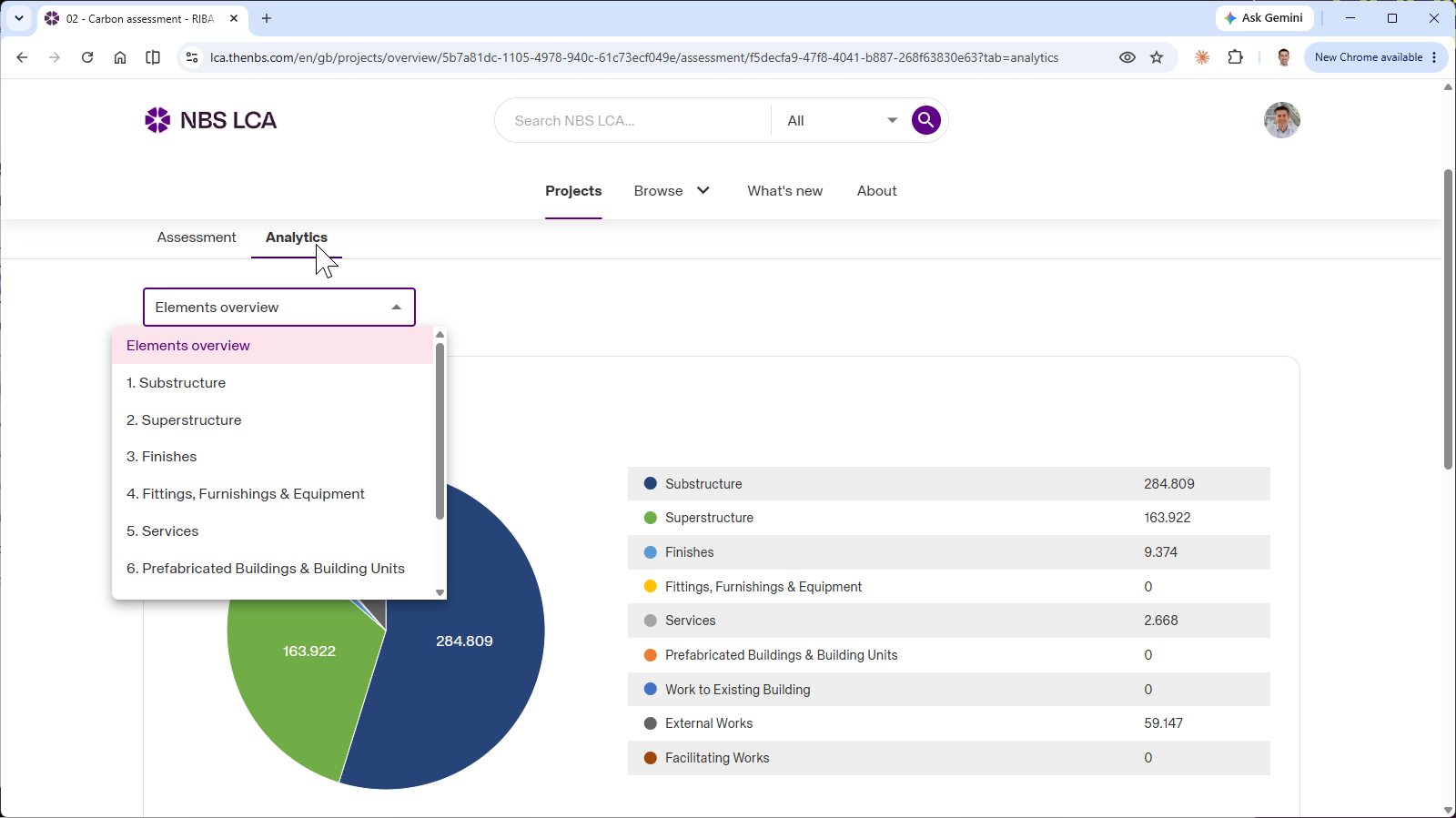
Figure 5 – View a carbon analysis of your project
The launch of specification integration
Carbon assessment and specification should not happen in a silo.
This was a recurring theme in our customer research - when interviewing sustainability leaders at our partner BDP the following quote summarised why this functionality is essential.
“There’s often a disconnect between what designers are doing and what actually gets built on site. And it would be such a shame for us to be spending so much time and energy specifying low carbon products and for them not to be carried on. So, to be able to embed them into specifications is really key.”
Julia Yao, Sustainability Associate at BDP.
NBS LCA and the specification can now be synchronised and worked on together, helping ensure carbon decisions flow through into the contract documentation.
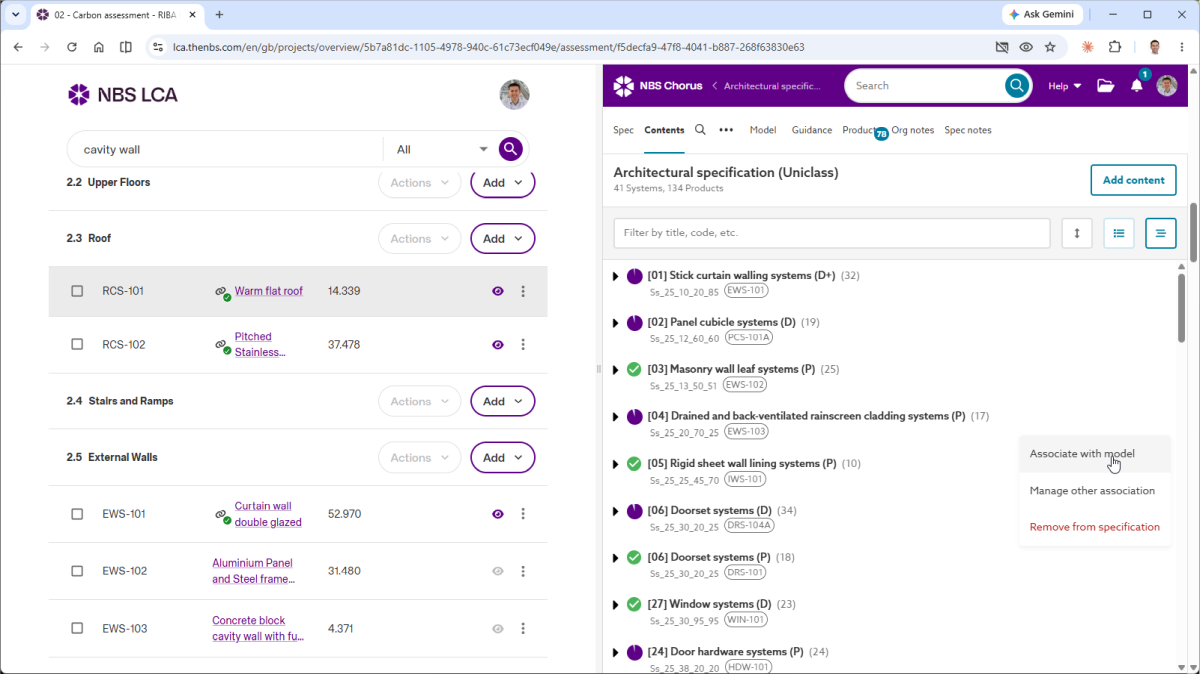
Figure 6 – Connecting the LCA with the specification
The video below demonstrates this functionality in action.
To learn more, register for the forthcoming webinar covering all of these features, or get in touch to start using NBS LCA on your projects.