
Background
This article illustrates how a specifier can use NBS Chorus to collaborate with a manufacturer to produce a complex specification.
The manufacturer content in NBS is traditionally presented as a single clause that can be added directly to the specification at the click of a button. However, situations also arise where a complex specification solution is required, and further technical expertise is needed from the manufacturer.
This worked example illustrates how a specifier and a manufacturer can work more closely together to ensure that the correct specification for a system is produced.
Worked example
Consider a typical project in which the main specifications are split by discipline. For this particular project, the architect is specifying a green roof and would like assistance from a manufacturer. Figures 1 and 2 below show how this architect can add a temporary specification to their project within NBS Chorus.
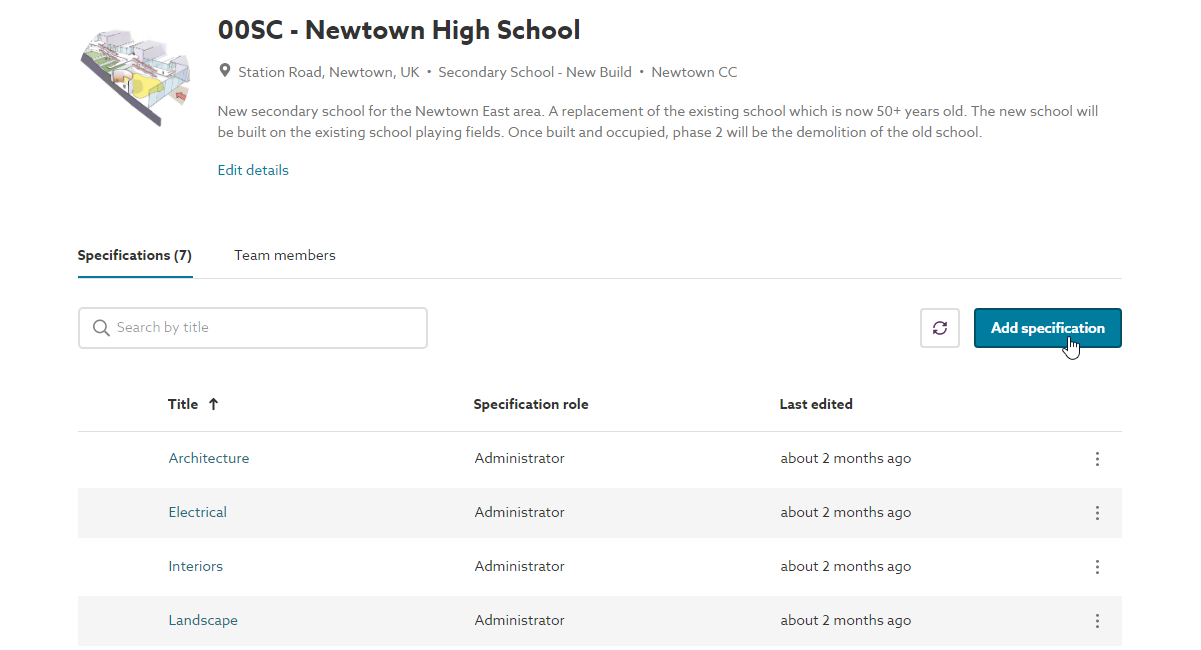 Figure 1 - Adding a new specification to the project
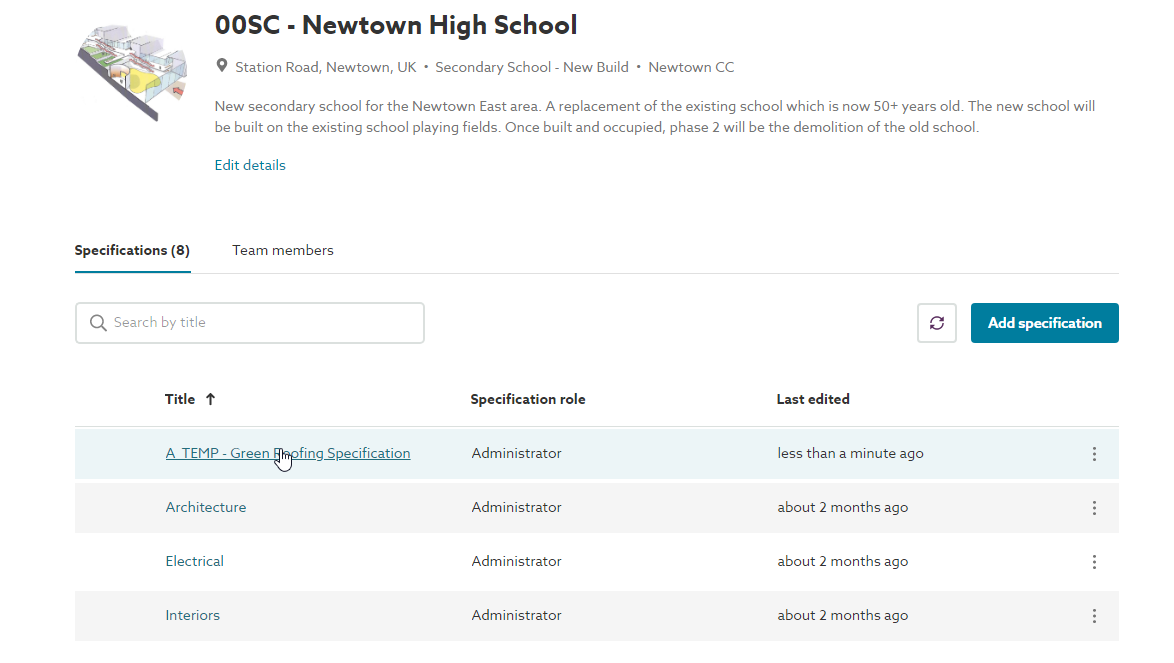 Figure 2 - Opening the temporary specification for editing
The architect can then add the brief for the manufacturer within this specification. Figure 3 below shows that this brief could include overall requirements on key considerations such as fire, safety or energy use. Hyperlinks can be added to additional information such as concept designs and similar solutions. Further information can also be added to the ‘Notes’ panel in the software.
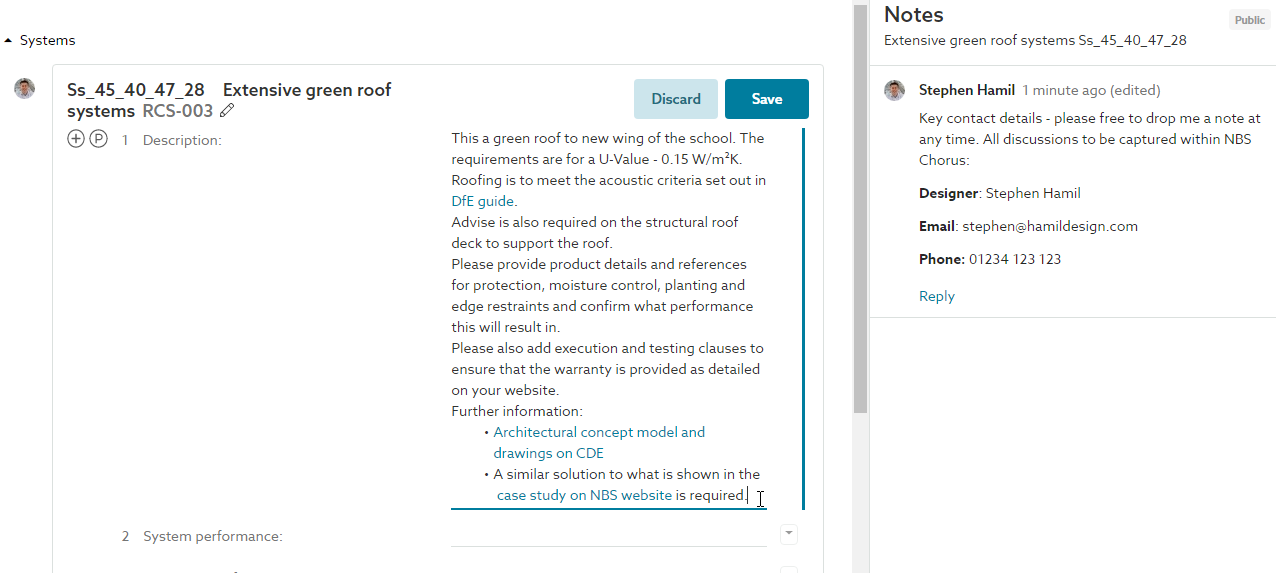 Figure 3 - Providing the manufacturer with a comprehensive brief
Traditionally, the communication between specifier and manufacturer that follows a brief is in the form of email threads and PDFs/ Word documents. However, in NBS Chorus, it is possible to invite collaborators directly to the project so that information is captured centrally within the main workflow tool. Figure 4 shows how the manufacturer may be invited to contribute to the temporary specification, but excluded from specifications with restricted access. This allows the manufacturer to write the specification directly within NBS Chorus, using a licence seat temporarily provided by the specifier. As NBS Chorus is a cloud product, no software needs to be installed on the manufacturer’s machine.
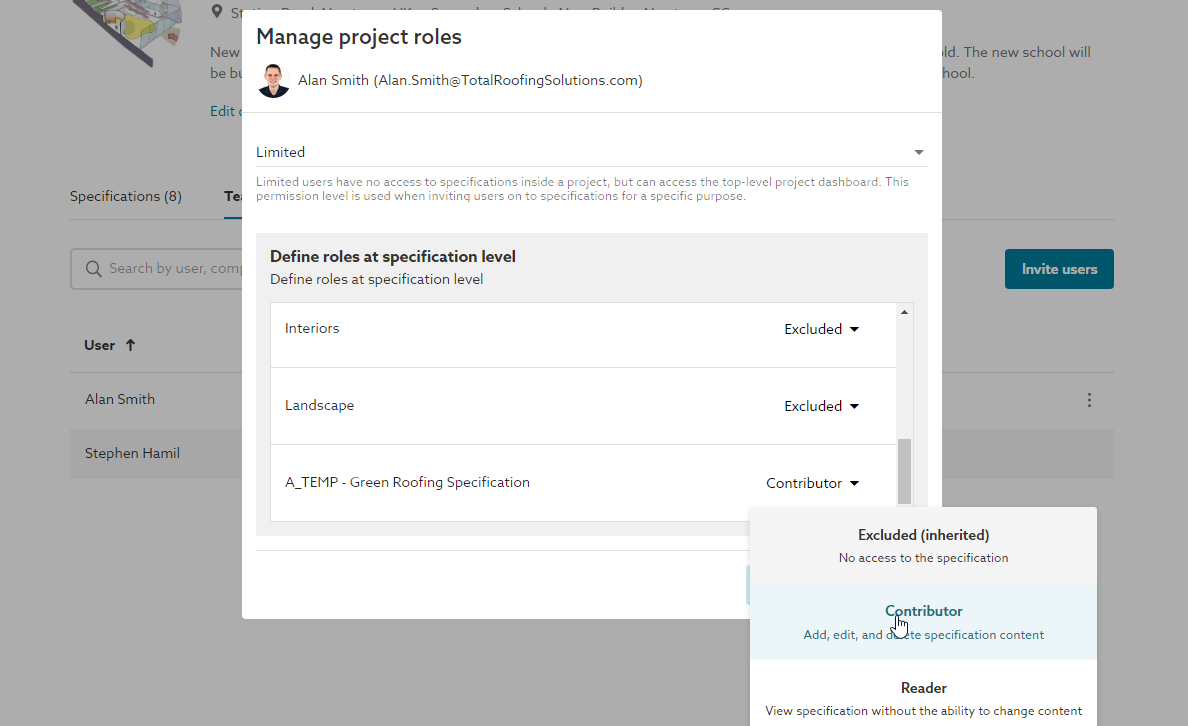 Figure 4 - Providing the manufacturer with a comprehensive brief
Figure 5 shows how the manufacturer can then complete the specification for the entire system. In this example, a green roof is being specified. The manufacturer is adding the specification for each of the products that are needed to give the overall performance that the specifier requires. Beyond the product specifications, the manufacturer can also include key execution and system completion clauses that detail necessary tasks. These ensure that the system will perform as required, and may be particularly important in situations where a warranty is required. In addition, any conversation between specifier and manufacturer may be captured in the Notes panel.
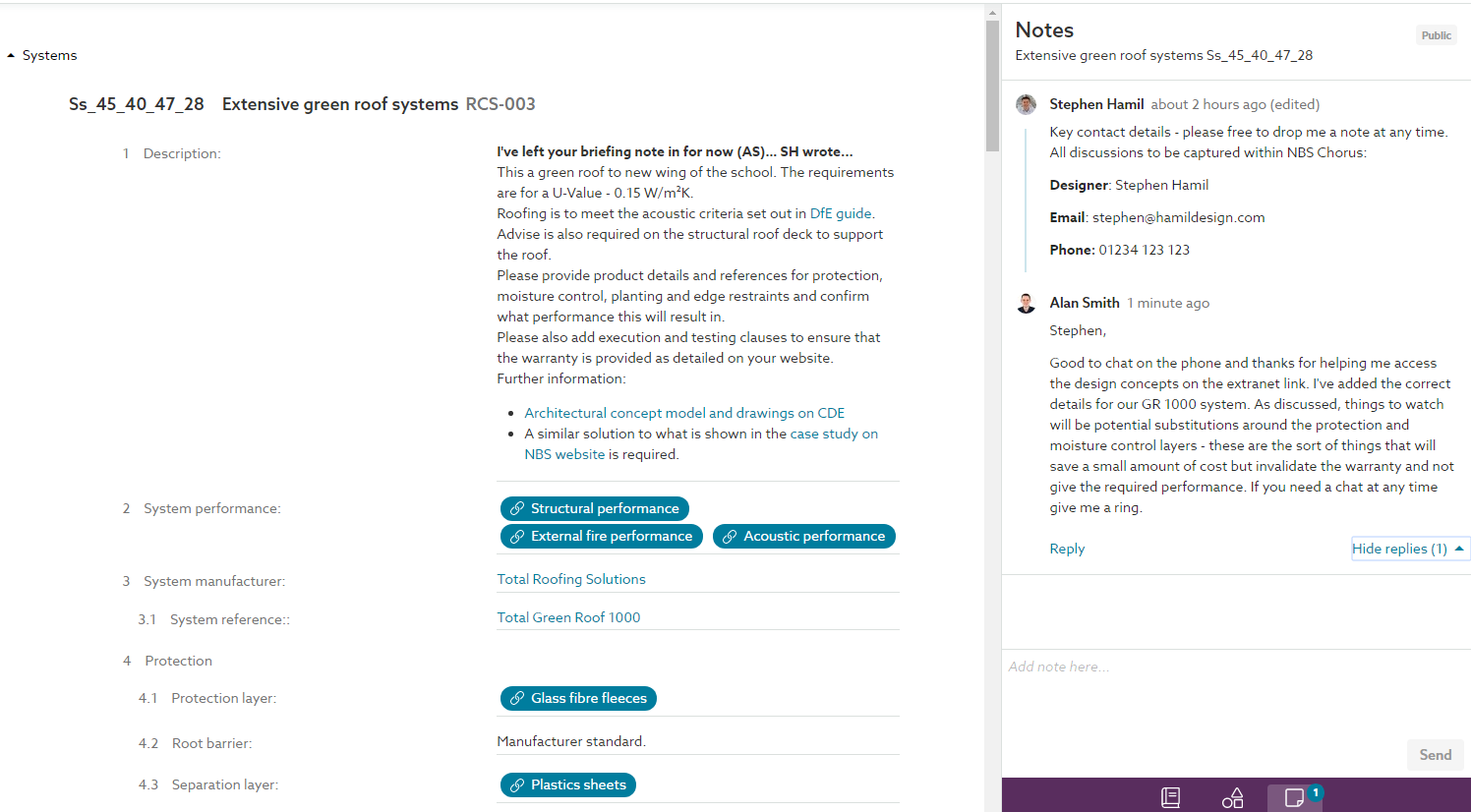 Figure 5 - The manufacturer completes the specification
Once the manufacturer has finalized the specification, the specifier should then carefully check the specification. Once the specifier is satisfied that the specification meets the requirements of the project they can then complete the process by copying and pasting the system into the main specification and removing the manufacturer from the project.
This is illustrated in Figures 6 and Figures 7 below.
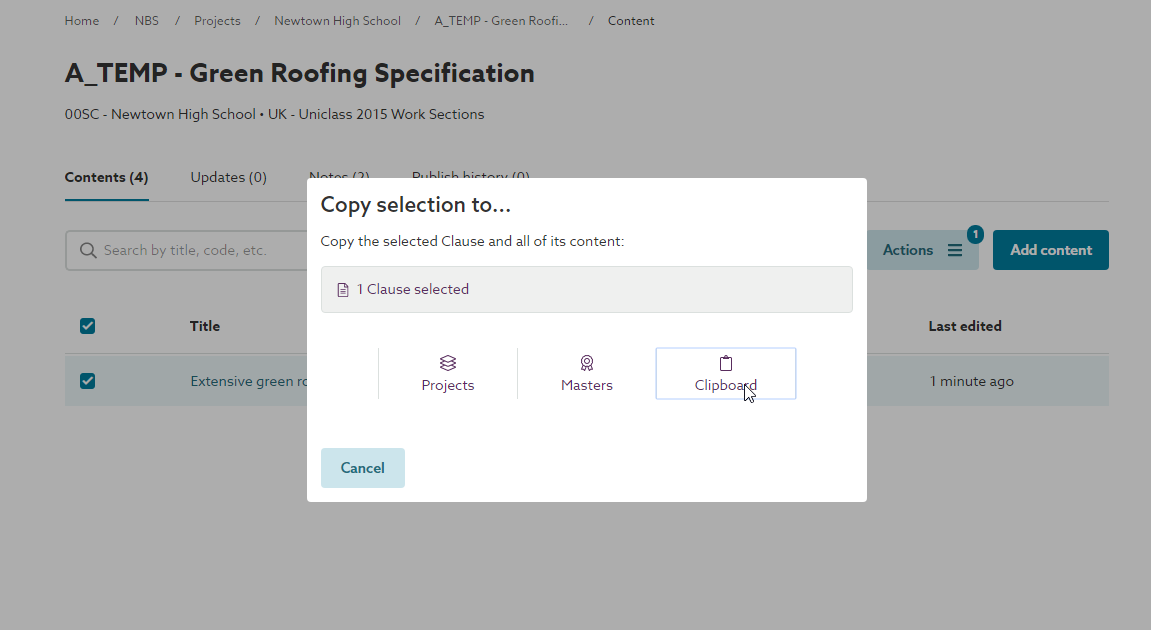 Figure 6 - Copy and paste the system into the main specification
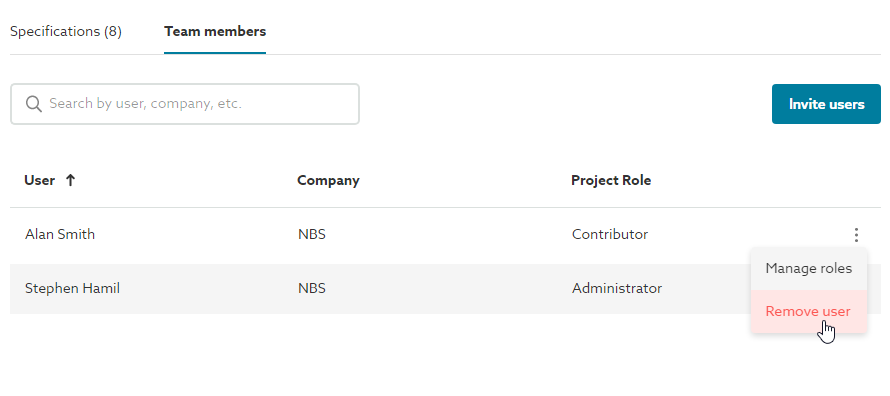 Figure 7 - Remove the manufacturer from the project
Finally, if particular systems are used on repeated projects, they can be stored in the ‘Masters’ area of NBS Chorus so they can be centrally managed. This is shown in Figure 8 below:
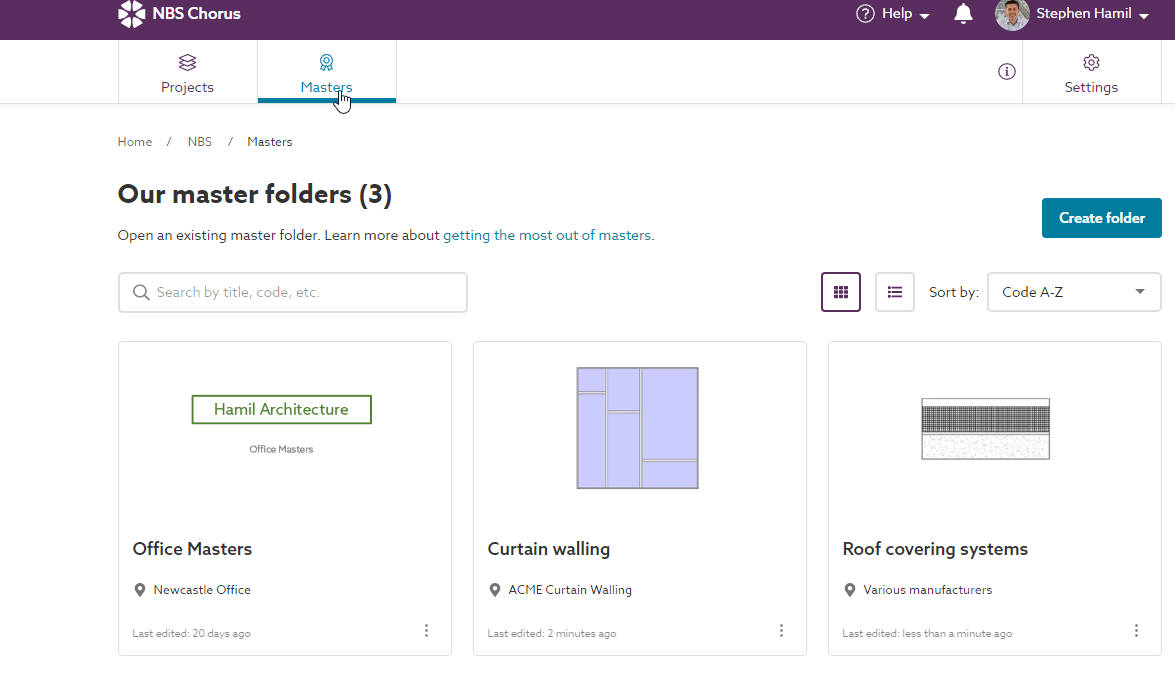 Figure 8 - Manage reusable content using the Masters feature within NBS Chorus
This feature works for both Uniclass 2015 and CAWS-based specification content. It also works whether you are specifying using NBS’ UK, Australian or Canadian content sets.