A wide range of interesting articles that help you make informed decisions and deliver the best projects for your clients authored by our team of NBS subject specialists and construction industry contributors.
Sustainability
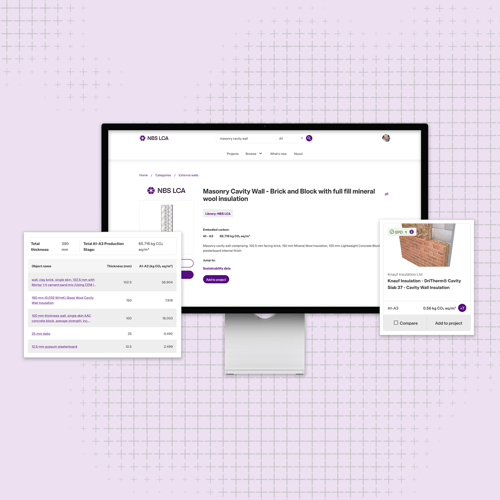
What’s new in NBS LCA: Our latest features
Explore the latest developments in NBS LCA, including its new connection with NBS Chorus.
Must Reads
Sponsored
Designing sustainability into construction – proof over promises in sustainable construction
With tightening regulations and growing client demand, the construction industry is under increasing pressure to demonstrate measurable progress against carbon reduction targets. For specifiers, that ...
Construction Products
Dulux Trade launches new solution for high-humidity spaces
Because of how they are used, kitchens and bathrooms experience more moisture, more contact, and more ongoing maintenance. Standard emulsions are not designed for this level of use. Over time, ...
The hidden cost of compliance: why architects are demanding a new era of product transparency
Few pieces of legislation have reshaped the UK construction industry as significantly as the Building Safety Act 2022 (BSA). Introduced to improve accountability, traceability and safety standards ...
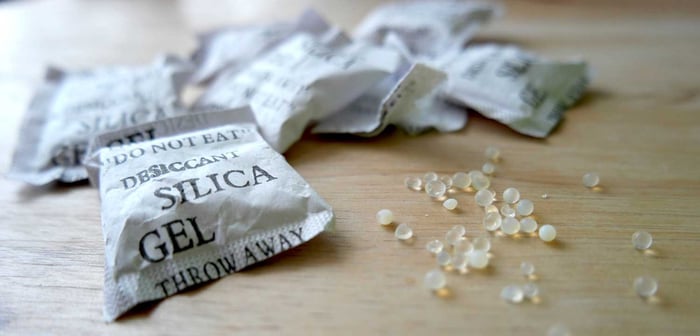
The dangers of silica dust
What is silica? Silica is the common term used for the mineral compound silicon dioxide (SiO2), and it is one of the most common naturally-occurring elements in existence. Silica comes in two forms: ...
Construction ProductsHealth and Safety
Reduce embodied carbon from the start
Measure, compare and reduce upfront embodied carbon using trusted UK data and pre-built assemblies.
In a nutshell, lean construction is a team-led effort that, when successfully implemented and sustained, provides the means for workers to become more efficient and improve the quality of their work. ...
Contracts and Law
What is the health and safety file?
A Health and Safety File is a repository of health and safety information that serves as a legal record, benefiting both clients and end users – from initial construction through use, cleaning, ...
Standards and RegulationsHealth and Safety
Windows, glass, glazing - a brief history
Windows From our earliest times, the need for light has been central to our needs as humans. Letting light into a cave or crude structure allowed its inhabitants to better perform tasks and navigate ...
Design and SpecificationSustainability
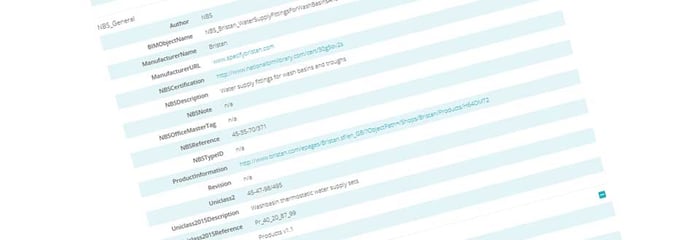
The information in BIM
This article is part of the Getting started with BIM series brought to you in association with Graphisoft.
Digital TransformationGetting started with BIM
Making the switch to BIM
This article is part of the Getting started with BIM series brought to you in association with Graphisoft.
Digital TransformationGetting started with BIM
Subscribe
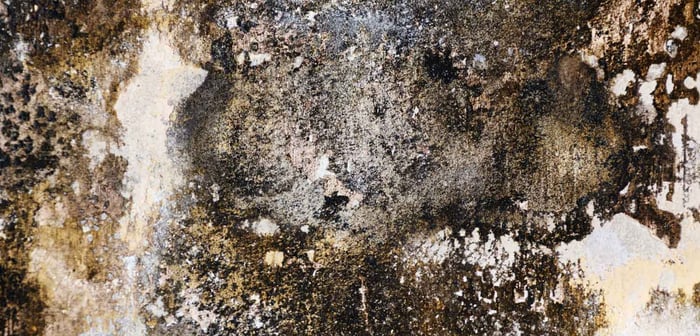
The NBS guide to damp
All material contains moisture to greater or lesser degrees. Those that are porous – concrete, mortar, wood – begin their life with their pores filled with water. As they dry, the water content drops ...
Design and SpecificationSustainability
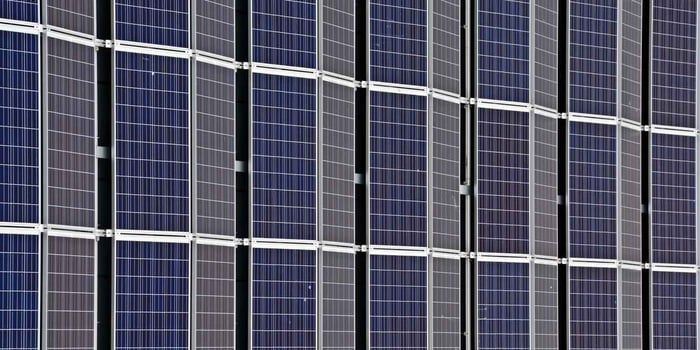
The pros and cons of polymer photovoltaics
Photovoltaic (PV) technology allows solar energy to be converted directly into electricity. Photovoltaic panels come in a variety of options to suit the varying requirements of structure types; ...
Design and SpecificationSustainability
Guide to risk management planning
An integral part of every construction project is a risk management plan. In our industry especially managing risks is not only vital for business and financial purposes but for health and safety ...
Health and SafetyContracts and Law
Retentions: An outdated practice?
Retention is essentially money promised that is held back by the client to ensure themselves against contractor failure. Usually, retention is set at 3% or 5% of the total work value. That money is ...
Contracts and LawJCT Contracts 2016
Biomimicry, taking our cue from the consumate engineers
Biomimicry is an approach to design that looks to foster sustainability by emulating nature’s tried-and-true solutions. The word biomimicry traces its roots to the Greek words “bios”, which means ...
Design and SpecificationSustainability
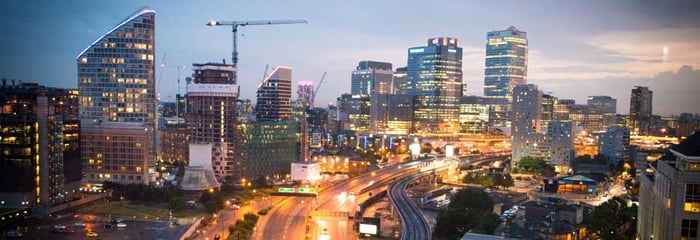
Smart Cities, Future Cities, Sustainable Cities
Currently, the Earth is home to over 7.4 billion people, with over half of those living in an urban setting and using 80% of the planet’s resources. By 2050, the population is forecast to be just ...