Uniclass 2015 - January 2019 update

This content is no longer up to date and has been archived.

You may wish to consider searching for newer content

The latest changes to Uniclass 2015 include updates to the Entities, Spaces, Systems and Product tables.

In addition, our work with the team at Transport for New South Wales (TfNSW) in Australia has brought about the introduction of a new table for Roles. The TfNSW team launched their digital engineering procedures towards the end of 2018, which implemented Uniclass 2015 as the classification structure for this project.

We are now working with Royal HaskoningDHV to include classifications for marine projects. New codes have been added as a result of this work.

We have also recently launched our new online specification platform NBS Chorus, which natively supports the Uniclass 2015 classification system.

The work of maintaining and enhancing Uniclass 2015 to support the needs of those operating in the built environment is an ongoing exercise. We are grateful for the input from all of the organisations and individuals that we have worked with.

The work of maintaining and enhancing Uniclass 2015 to continually support the needs of those operating in the built environment is an ongoing exercise. We welcome comment and input from all sectors in the construction industry via uniclass2015@theNBS.com.

Download

You can download the tables and find lists of changes on the NBS BIM Toolkit website.
Related Reading

Our latest articles

Designing sustainability into construction – proof over promises in sustainable construction

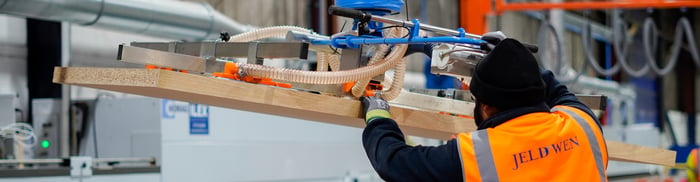
With tightening regulations and growing client demand, the construction industry is under increasing pressure to demonstrate measurable progress against carbon reduction targets. For specifiers, that means ensuring every product installed stands up to scrutiny, not just in material, but in source, traceability, and lifetime carbon footprint. JELD-WEN, a specialist timber door, door kit and doorset manufacturer, explains the critical considerations when selecting sustainable materials.

Sponsored

Dulux Trade launches new solution for high-humidity spaces

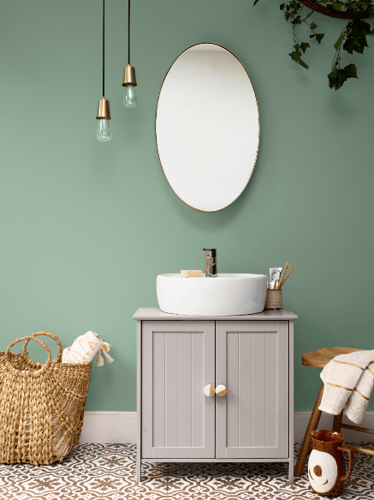
Because of how they are used, kitchens and bathrooms experience more moisture, more contact, and more ongoing maintenance. Standard emulsions are not designed for this level of use. Over time, finishes can lose their appearance or fail to cope with the environment. Kitchens and bathrooms benefit best using a product formulated specifically for their daily demands.

Construction ProductsSponsored

The hidden cost of compliance: why architects are demanding a new era of product transparency

Few pieces of legislation have reshaped the UK construction industry as significantly as the Building Safety Act 2022 (BSA). Introduced to improve accountability, traceability and safety standards across the built environment, the legislation has fundamentally changed the responsibilities placed on architects, contractors and manufacturers. While the principles behind the Act are widely supported, the reality for architectural practices is proving more challenging than many anticipated.