Keep up to date with the latest important developments within the company and the construction industry.
Tekta: high-performance doorways for controlled environments
Tekta is a leading manufacturer and supplier of high-performance doorway solutions for controlled environments. It takes a consultancy-led approach, working with customers from the earliest stages of design to identify and manage critical hygiene, temperature, fire, acoustic, security, and operational requirements. The business is founded on providing the best technical support to specifiers. It’s experienced in running design workshops, assisting with BIM development, and providing value-engineering advice. This helps its customers develop compliant, buildable doorway solutions while identifying potential issues before they reach site. Discover more.
SponsoredManufacturer Spotlight
Tekta: high-performance doorways for controlled environments
Tekta is a leading manufacturer and supplier of high-performance doorway solutions for controlled environments. It takes a consultancy-led approach, working with customers from the earliest stages of ...
SponsoredManufacturer Spotlight
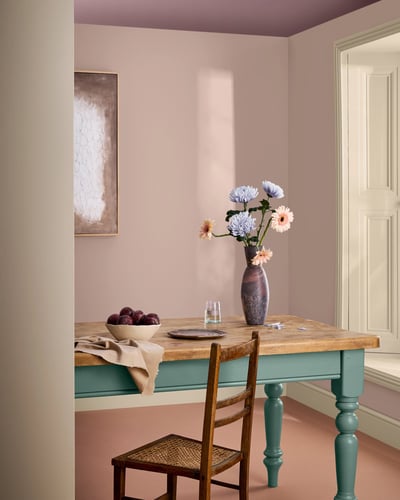
Crown Paints reveals three colour insights responding to forces reshaping the built environment
Crown Paints has revealed three new colour palettes that explore how architects and designers can respond to a built environment being reshaped by AI, changing patterns of living and working, ...
SponsoredManufacturer Spotlight
Subscribe
What’s new in NBS LCA: Our latest features
In the spring we launched our brand-new platform NBS LCA. NBS LCA combines a library of generic and manufacturer data with easy-to-use tools for assessing the carbon impact of a project. Our ambition ...
SustainabilityProduct update
Visqueen supports one of the first Gateway 2 approvals under the Building Safety Act
The Dyecoats development in Leeds marks a major milestone for the UK housing sector. The £100 million flagship Latimer Homes scheme being delivered by GRAHAM is one of the first high-rise new-build ...
Building Safety ActSponsored
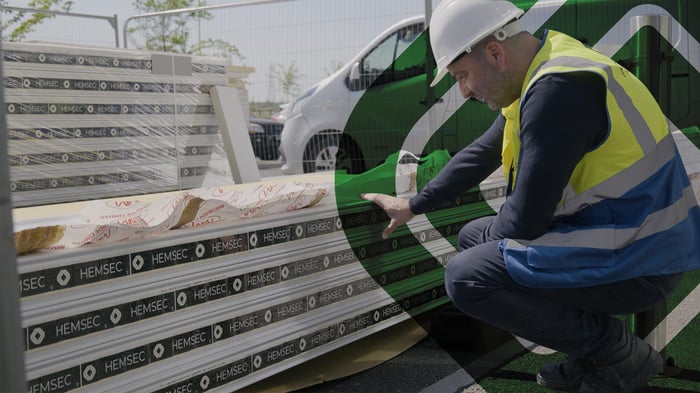
Five questions to ask when specifying insulated panels
Selecting an insulated panel system for an industrial building should start with the building and application requirements.
Design and SpecificationSponsored
NBS and BDP join forces to improve generic carbon data in construction
Today, NBS (part of Hubexo), the platform for connected construction information, announces a long-term strategic partnership with BDP, a major global multidisciplinary practice of architects, ...
Product update
Bourne Amenity NBS case study: Finsbury Circus Gardens
Bourne Amenity recently supported the restoration of London’s Finsbury Circus Gardens by supplying specialist soils, bark and materials for the soft landscaping works, providing the right foundation ...
Hubexo UKI achieves independently verified carbon neutrality for 2025 against ISO 14068-1:2023 Independent verification returns a 0% QA variance rate Emissions intensity reduced from 13.14 to 11.65 ...
Sustainability
Introducing Remagin Secure – 30-year product and performance warranty for load-bearing solutions
LGSF has long since been a realistic alternative to traditional hot rolled steel and concrete frames. It achieves a lightweight structure to reduce the loads impacted on your building foundations and ...
Construction ProductsSponsored
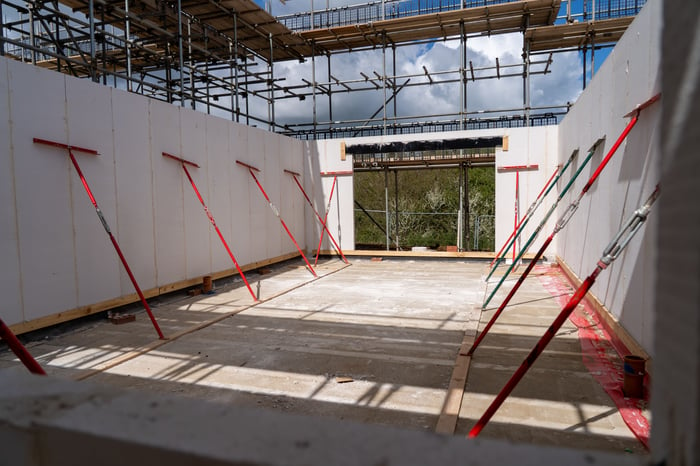
Masonry MMC system chosen to deliver high-quality affordable homes
Social housing provider Stonewater is building thirty-nine affordable new homes at Shiremoor Hill, Merriott in Somerset, in partnership with local housebuilder Galion Ltd. To support its commitment ...
Construction ProductsSponsored
Helping design specialists to meet increased fire safety regulation
28 May 2026 Designing high-performance buildings that deliver on aesthetics as well as compliance is the expected blueprint, especially in higher-risk buildings.