History, technology, design, safety and testing
Brick slip cladding systems sit at the intersection of architectural tradition and modern façade engineering. While visually derived to replicate the appearance of traditional brickwork masonry, brick slip systems behave very differently in respect to structural performance, fire performance and durability. The safe and effective use of brick slip technology demands informed, robust specification addressing holistic design, life cycle performance, installation, testing, tolerances and long-term durability.
History of brick slip cladding systems
Brick slips first emerged in the UK as repair and refurbishment solutions, particularly for conservation and retrofitting where full depth brickwork was impractical. Early systems relied on cut bricks bonded to backgrounds using cementitious or resin adhesives, typically in low risk, low rise applications.
By the late 20th century, brick slip cladding systems were increasing in popularity for new build projects with the aim to replicate the appearance of traditional brickwork.
At this stage, performance expectations largely mirrored traditional brickwork, often without recognising the fundamental behavioural differences.
In recent years, brick slip cladding systems have become increasingly prevalent for new build projects, particularly where lightweight façade solutions and faster installation are required. Compatibility with modern construction techniques is also a key driver for selection, such as ventilated and back-drained rainscreen systems, structural framing systems (SFS), structural insulated panels (SIPS) and off-site manufacture.

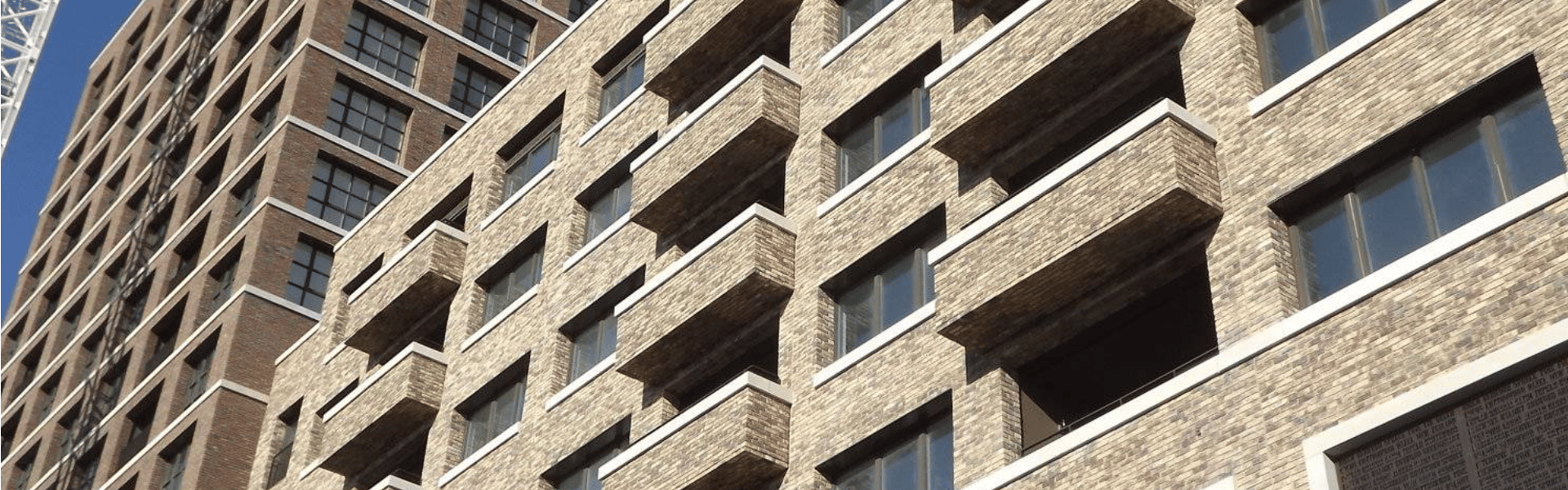
Figure 1: A completed building giving the appearance of traditional brickwork – image FastClad
System development
The technical advancement of brick slip systems has been driven by:
- Increased use of non-masonry primary structures
- The rise of rainscreen principles
- Fire safety reform following façade failures
- Industry research by bodies such as the Centre for Window and Cladding Technology (CWCT) and the Society of Façade Engineering (SFE), and by industry-leading engineering consultancies and manufacturers.
This evolution moved systems away from purely bonded solutions towards engineered assemblies, with defined load paths, tolerances and system testing.
Brick slip cladding technologies – a comparative overview
Brick slip cladding systems fall into two primary categories. Both present different safety and performance considerations for the designer.
Mechanically fixed brick slip systems
Key characteristics:
- Non-combustible metal rails and carriers
- Positive mechanical restraint of individual slips
- Drainage and ventilation consistent with rainscreen principles
- Load transferred through fixings (not adhesives)
- Failure modes are predictable and inspectable
- Components can be tested and replaced individually
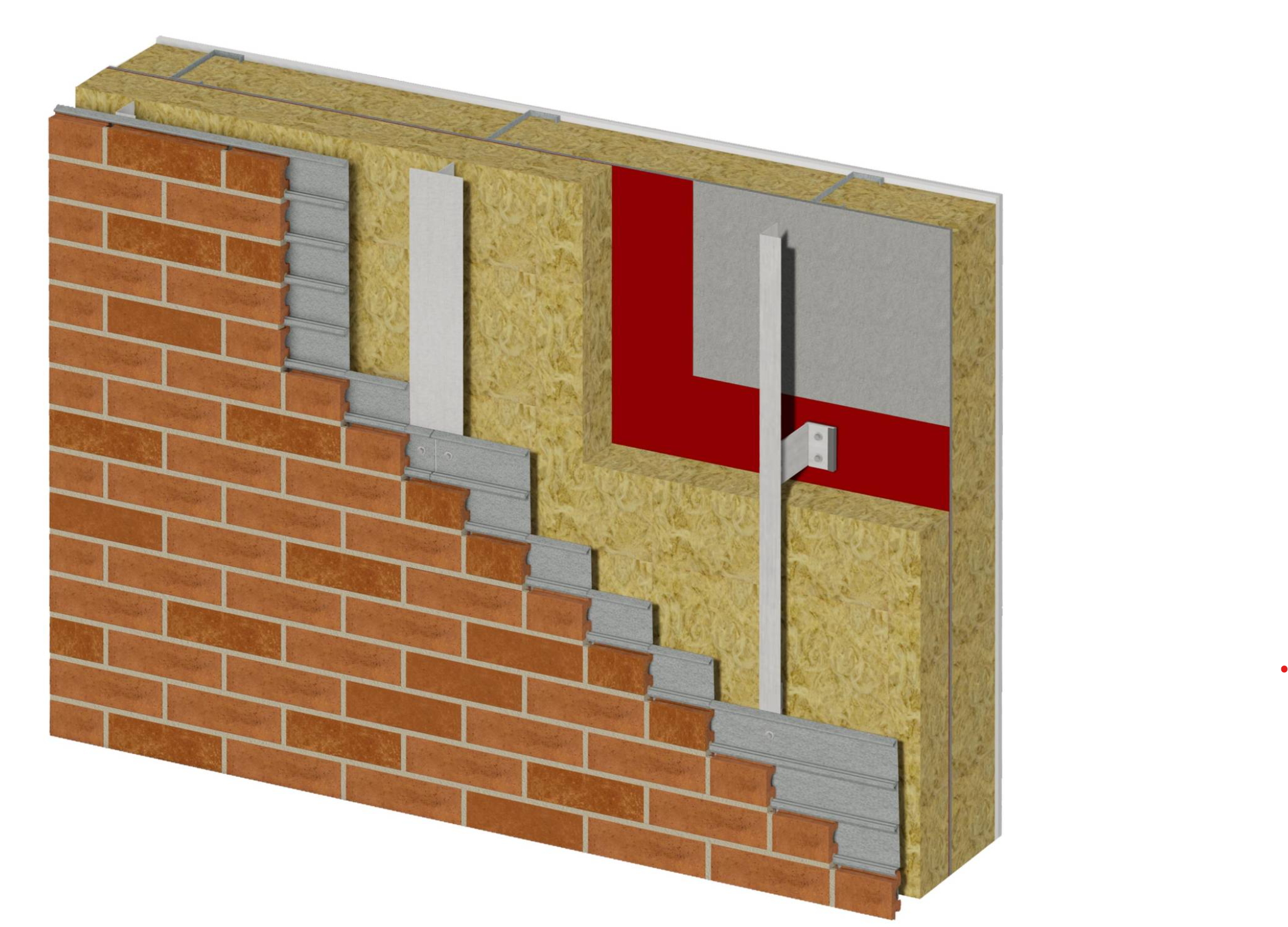 Figure 2: Typical extruded brick slip mechanically fixed system - image Weinerberger Limited
In line with general CWCT guidance, mechanically fixed brick slips should be considered as part of the engineered façade system, requiring full façade design, coordination and performance assessment. This means the brick slip components are integral to the cladding system rather than being treated just as the decorative finish. Note that the CWCT is currently producing new guidance covering mechanically fixed brick slips systems.
These systems have specific requirements to ensure satisfactory mechanical engagement of the slips with the carrier rails. Different manufacturers have different design solutions to achieve this. The height tolerance of the slip is critical; even if a slip is technically within BS EN 771 -1 tolerance, the method of mechanically fixing may mean inadequate engagement for a particular system. Specifiers should discuss the detail of brick slips selection and specification of the precise means of attachment, with the manufacturer.
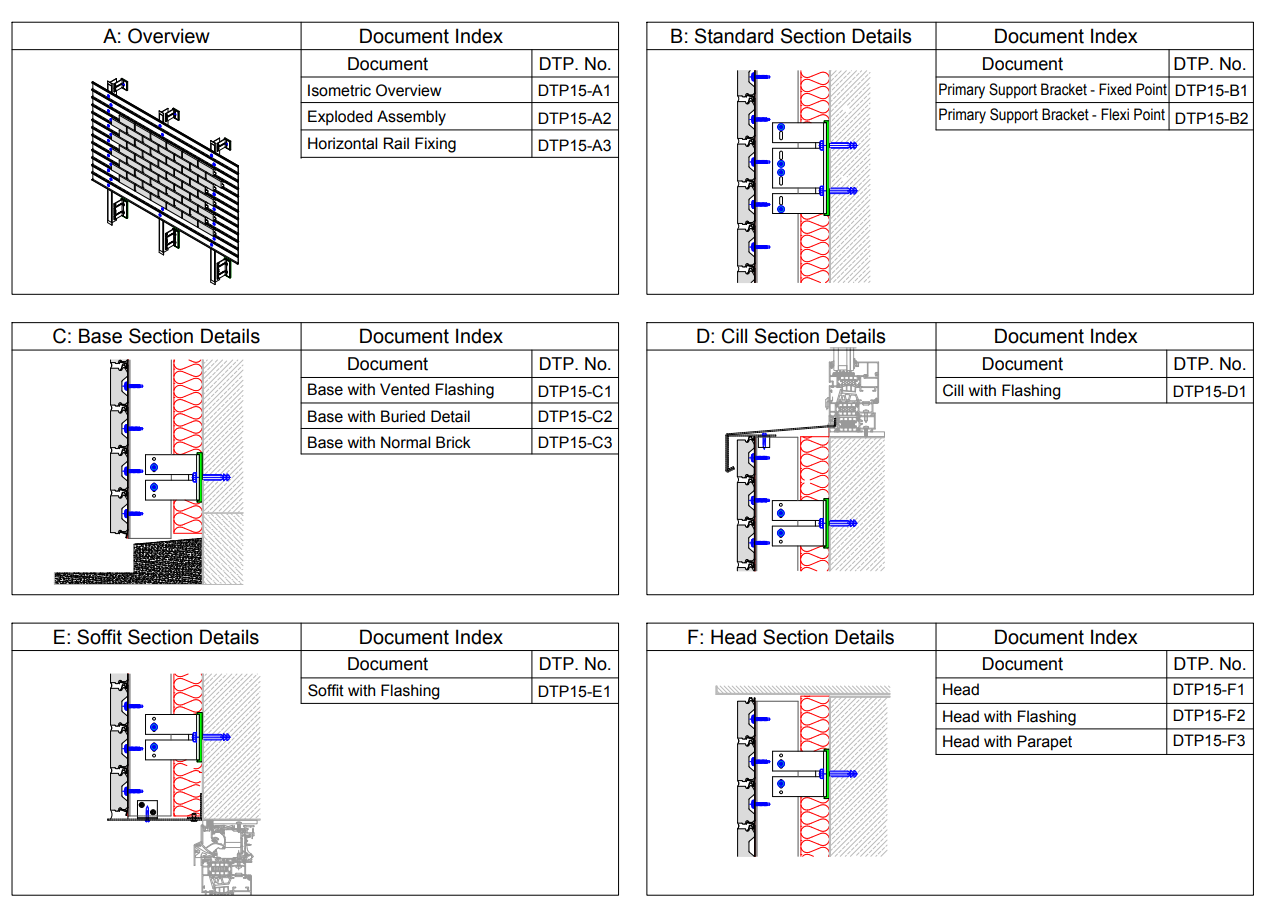
Figure 3: Typical details of a mechanically fixed system - image Shackerley Facade Systems
Relevant Uniclass sections
Ss_25_20_70 Rainscreen cladding systems
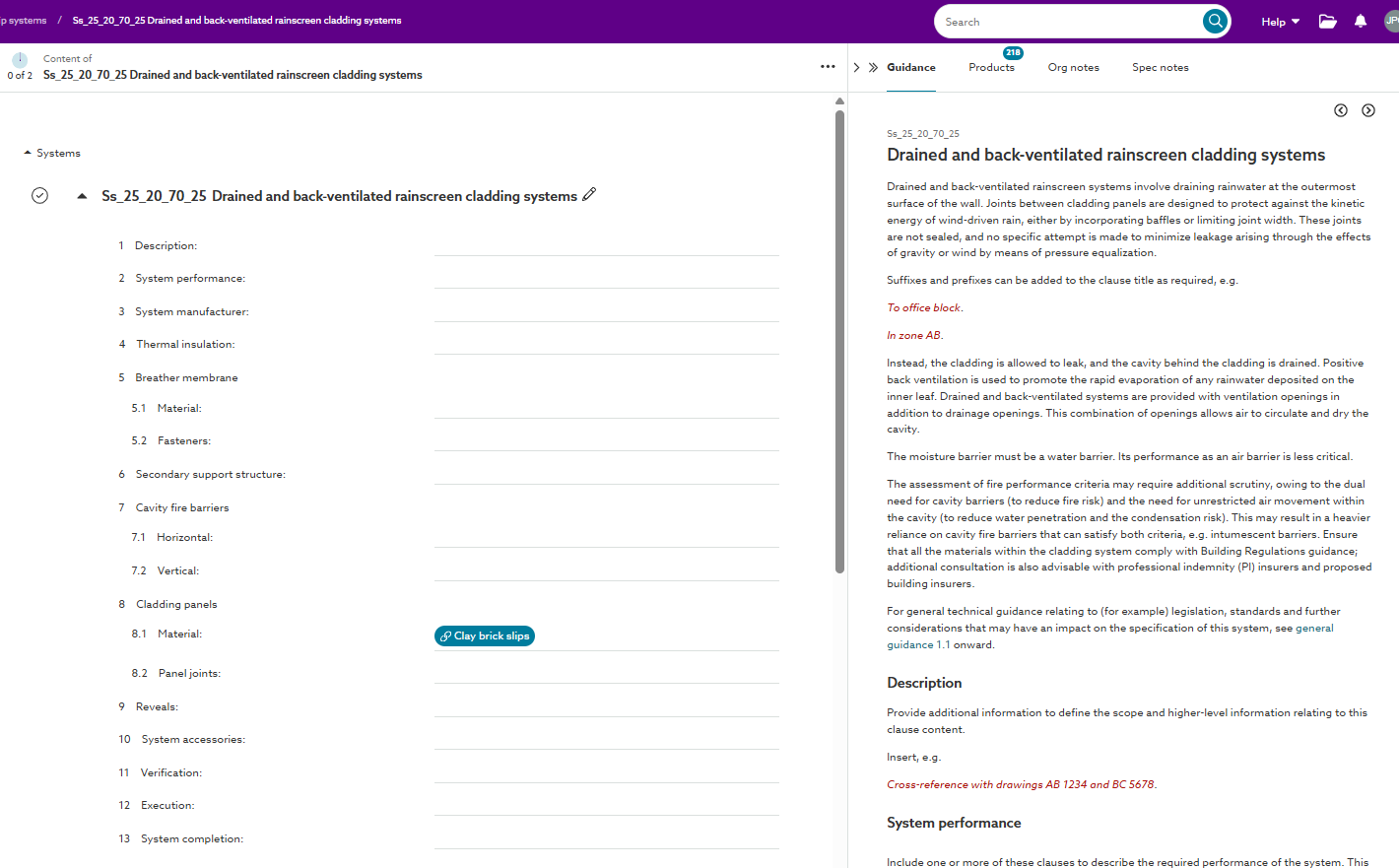
Figure 4: Ss_25_20_70 Drained and back-ventilated rainscreen cladding systems
Pr_20_93_52 Masonry walling units
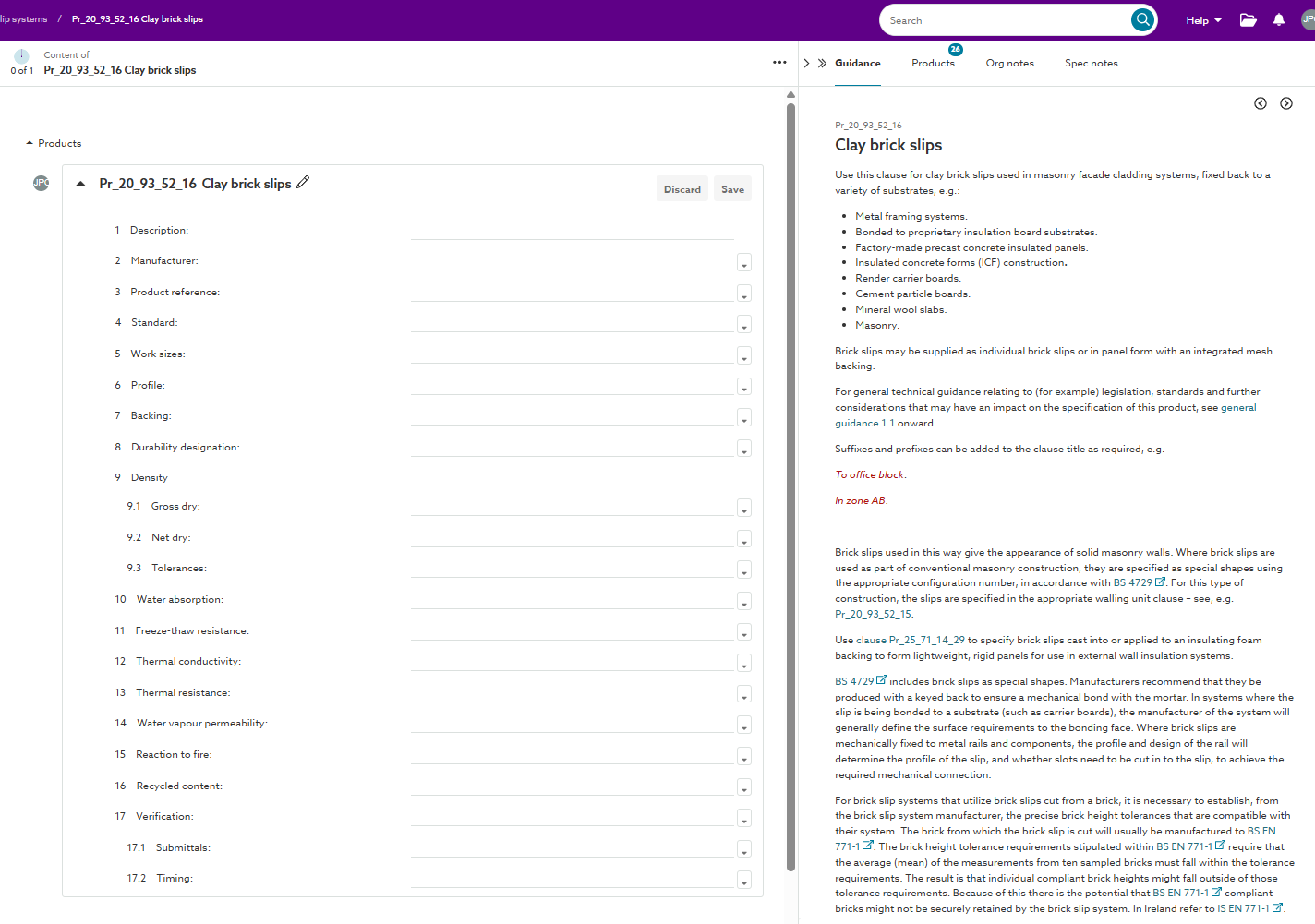
Figure 5: Pr_20_93_52_16 Clay brick slips
Relevant CAWS section
H92 Rainscreen cladding
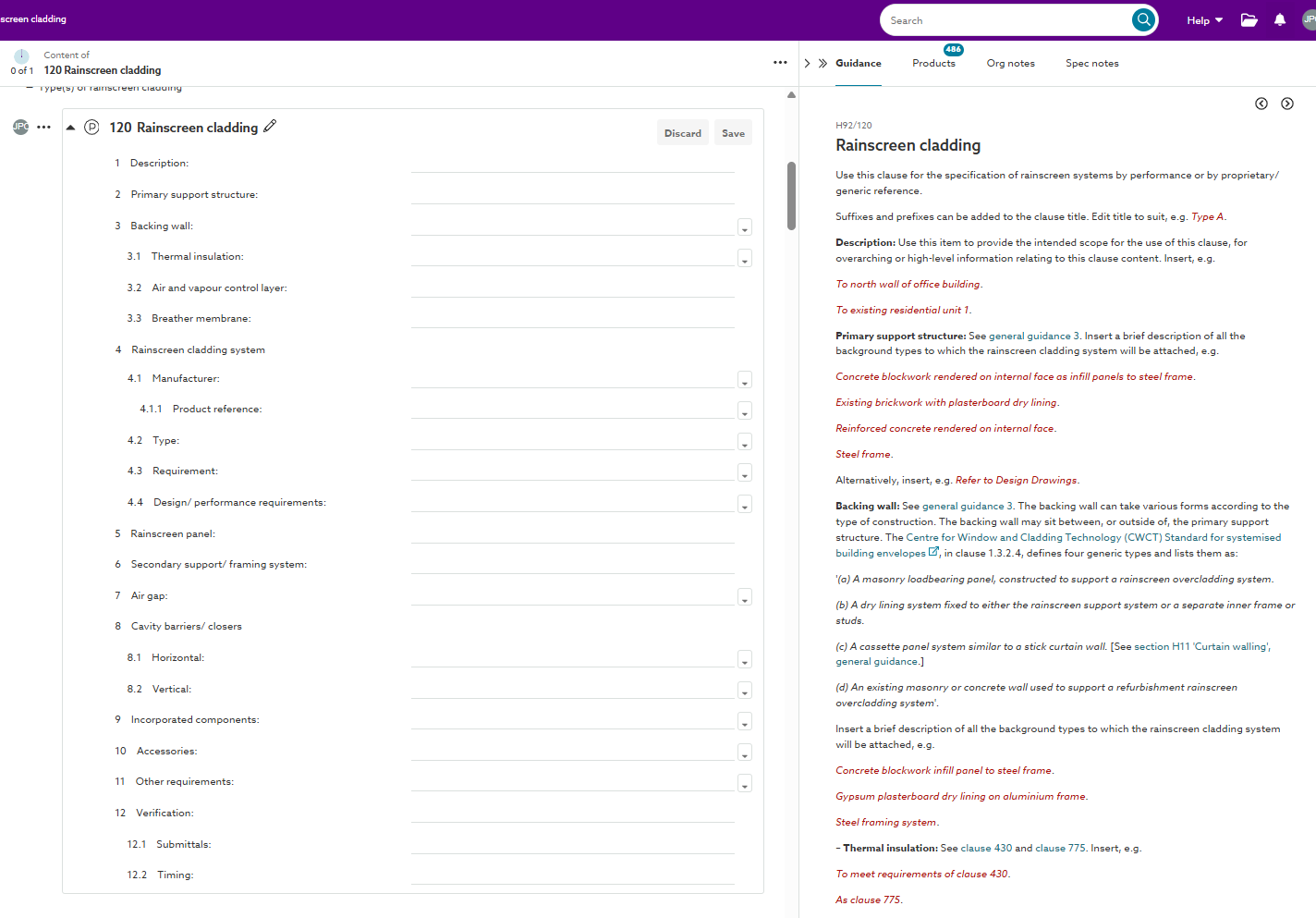
Figure 6: H92/ 120 Rainscreen cladding
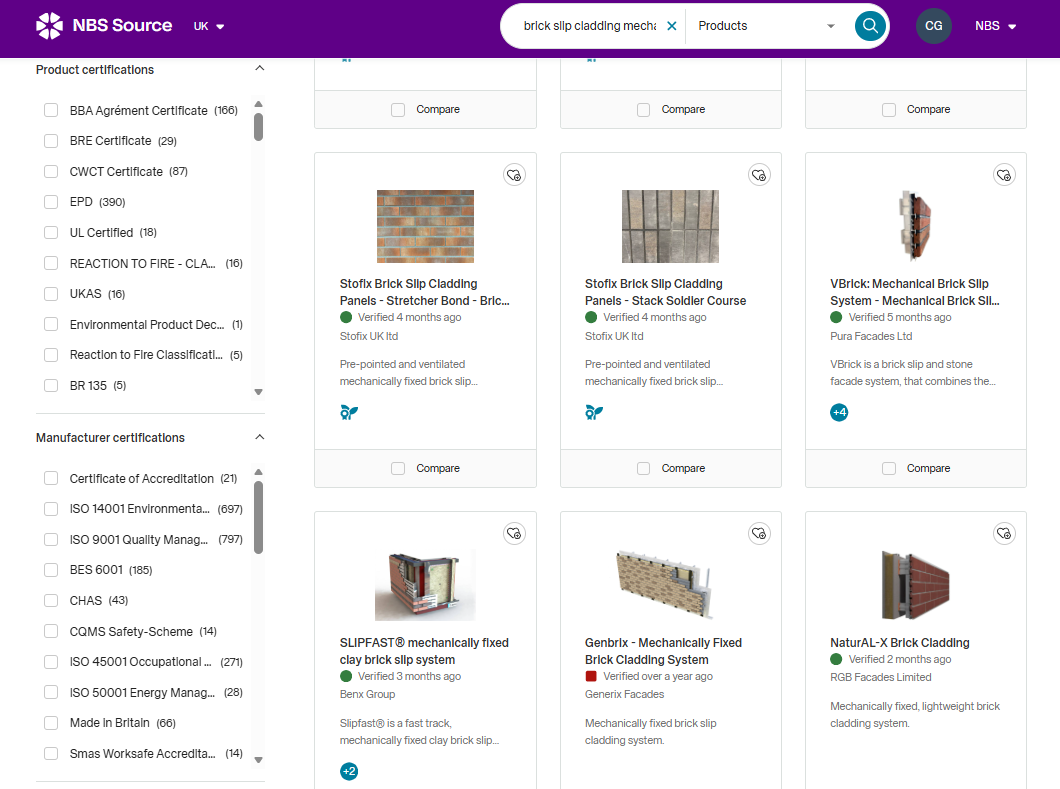
Figure 7: Mechanically fixed brick slip system manufacturers on NBS Source
Bonded brick slip systems (adhesive fixed)
Key characteristics:
- Factory bonded panels: Brick slips are adhered in controlled conditions to backing boards or insulated panels. While quality control is improved, system behaviour still depends on adhesive durability over time.
- Site fixed individual slips: These resemble tiling systems, reliant on installer skill, substrate preparation and environmental conditions.
- Mesh backed systems: Adapted from mosaic tiling principles.
Industry research suggests that adhesive‑dependent systems can be sensitive to workmanship, moisture ingress and ageing mechanisms, spotlighting potential risk if specified inappropriately and the reliance on site conditions.
Relevant Uniclass sections
Ss_25_20_90 Unit cladding systems
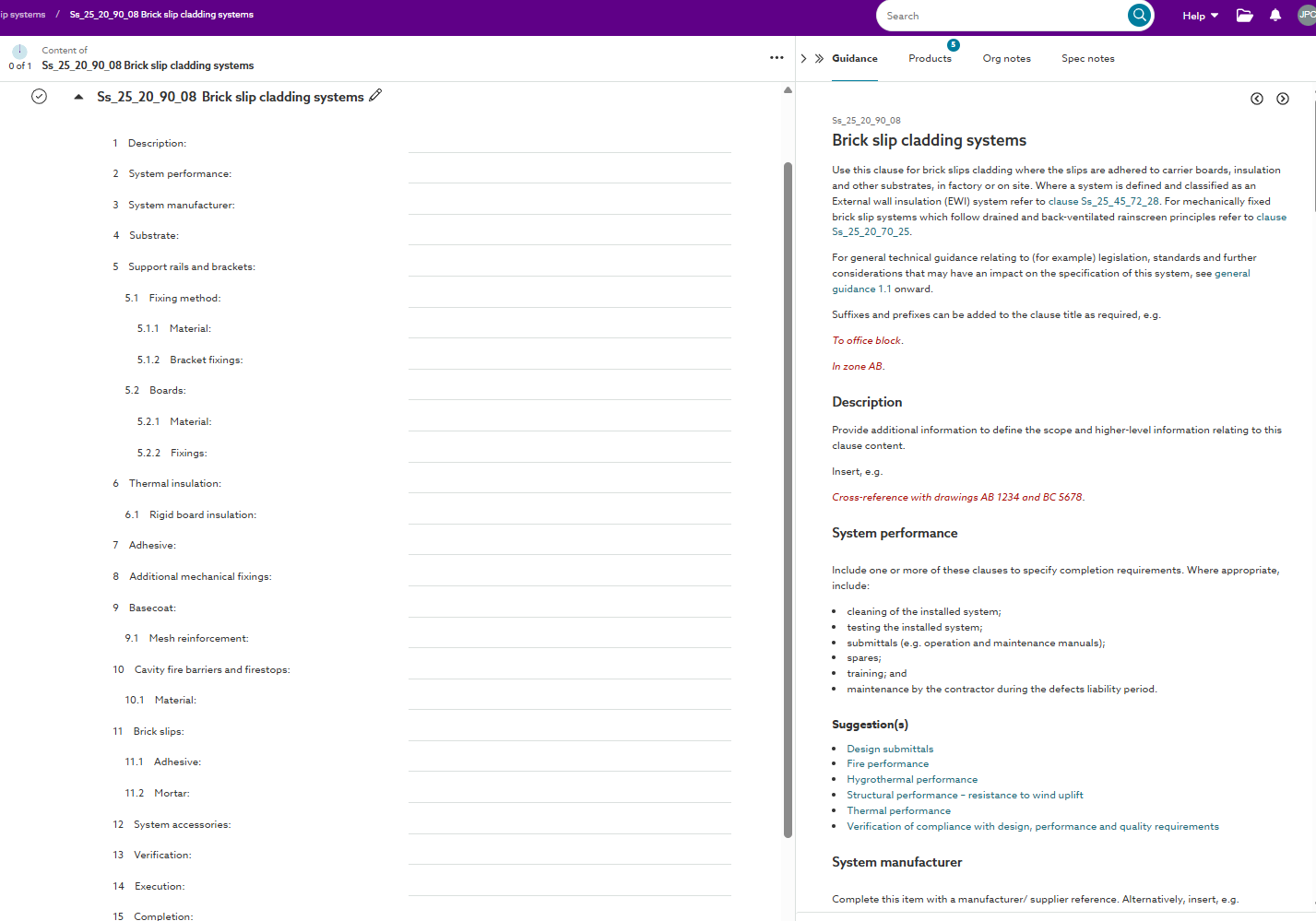
Figure 8: Ss_25_20_90_08 Brick slip cladding systems
Where the system can be fully defined as external wall insulation (EWI) it can be specified in Ss_25_45_72_28 ‘External wall insulation systems’.
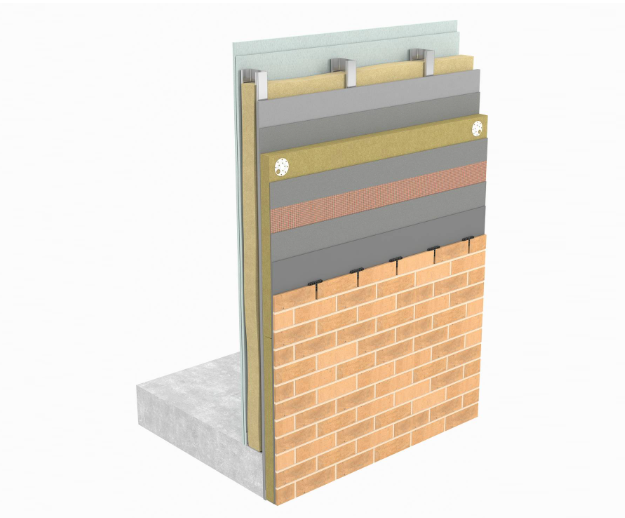
Figure 9: Typical brick slip faced external wall insulation system - image Cladmate Façade Systems
Sustainability objectives
As sustainability objectives continue to shape the UK construction landscape, specifiers must give careful consideration to the specification of façade systems - such as brick slip cladding - from an environmental perspective. While brick slips offer aesthetic alignment with traditional masonry, their environmental performance varies significantly depending on materials, manufacturing processes, and system design. For architects and specifiers, understanding these nuances is essential to delivering projects that meet both regulatory requirements and broader sustainability ambitions.
The NBS Lifecycle Carbon Analysis (LCA) platform assists specifiers to make more informed design decisions based on robust carbon impact data.
The platform includes access to over 12,500 products with Environmental Product Declarations (EPDs) from NBS Source and ECO Platform data. In addition, the free NBS Guide to Embodied Carbon Calculations, developed with Circular Ecology and ICE, supports more consistent and transparent embodied carbon assessment.
Safety, standards, testing and specification
Brick slips are integral to the external wall build up and may therefore be subject to stringent requirements relating to fire safety, durability, structural integrity and moisture control under the Building Regulations and associated standards. All of these components must be clearly and robustly specified and verified, for clarity of performance, regulatory testing compliance and to facilitate the ‘golden thread’ of information.
Brick slips and the regulatory context
UK Building Regulations – fire and durability
Typically, three compliance approaches exist for meeting the requirements of UK Building Regulations: ‘general’, ‘alternative’, and ‘fire safety engineering’ (see the foreword to BS 9999 for background information). An early-stage strategic risk assessment, involving client-side input, should be used to determine the compliance approach to be adopted, and this should be recorded and remain accessible for reference.
Note: Approved Documents in England advise that: ‘There may be other ways to comply with the requirements than those described in an approved document’, and that ‘to meet a relevant requirement in some other way than described in an approved document, they [those seeking approvals] should seek to agree this with the relevant building control body at an early stage’.
In the UK and Ireland, building regulations require that materials used in the external walls and specified attachments of higher risk residential buildings (typically those exceeding 18 m in height or a defined storey threshold and containing dwellings, institutional uses, or other residential accommodation) achieve a high standard of fire performance, generally equivalent to Euroclass A1 or A2 s1,d0, subject to limited exemptions set out in the applicable national regulations and guidance.
For buildings below these height thresholds, compliance with the relevant fire safety requirements must still be demonstrated in accordance with the applicable national technical guidance (such as Approved Documents in England and Wales, Technical Handbooks in Scotland, or Technical Guidance Documents in Ireland). Where prescriptive guidance is not followed, compliance may be supported by appropriate system testing or fire safety engineering assessment. For existing residential buildings, a risk based appraisal of external wall construction may be undertaken using recognised methodologies such as PAS 9980 or equivalent national approaches.
Durability is addressed within the fire safety and moisture control provisions of the applicable building regulations and associated technical guidance across the UK and Ireland. In the context of brick slip systems, this consideration extends beyond the facing material itself to include the performance and longevity of the complete element or system, including adhesives, mechanical fixings, backing boards, insulation, and cavity barriers.
Relevant BS EN Standards for Brick Slip Systems
Brick slip cladding systems rely on several interrelated standards rather than a single harmonised document, for example, and not limited to:
- BS EN 771-1 – Specification for clay masonry units. This governs the properties of the source bricks from which slips are cut or purpose made, including compressive strength, water absorption, soluble salts and durability classification (F1/F2).
- BS EN 772-22 – Determination of freeze–thaw resistance of clay masonry units. This test is critical where brick slips are exposed to saturation and freezing, particularly in rainscreen or panelised systems.
- BS EN 13501-1 – Fire classification of construction products. This provides the reaction to fire classification used for regulatory compliance and NBS specification clauses.
- BS EN 13501-2 - Fire classification of construction products and building elements. Classification using data from fire resistance and/or smoke control tests, excluding ventilation service.
Large scale façade fire testing, sometimes referenced for system based evidence, although not a substitute for Regulation 7(2) compliance in relevant buildings:
- BS 8414-1 - Fire performance of external cladding systems. Test method for non-loadbearing external cladding systems fixed to, and supported by, a masonry substrate.
- BS 8414-2 - Fire performance of external cladding systems. Test method for non-loadbearing external cladding systems fixed to, and supported by, a structural steel frame.
- Report BR 135 - Fire performance of external thermal insulation for walls of multistorey buildings. 3rd edition.
Within NBS Chorus, these standards are typically cited at system level, along with requirements for third party certification - e.g. BBA certificates and The Centre for Window and Cladding Technology (CWCT) testing provided by manufacturers and verification requirements for such.
Safety issues and the risk of falling brick slips
Bonded brick slip systems
These systems rely on adhesives to fix the brick slips to the substrate. There have been some reports of systems failing leading to slips falling from height and being a significant safety risk.
Collaborative Reporting for Safer Structures UK (CROSS-UK) has published the following reports: CROSS Safety Report 1017: Brick slips falling from height and CROSS Safety Report 1081: Another example of brick slips falling from height.
In both reports, de-bonding of the slips from the substrate was given as the reason of failure. CROSS-UK advises designers to consider the lifespan of all materials and components used on facades and that some adhesives may not achieve the required robustness and longevity.
The Centre for Window and Cladding Technology (CWCT) has published the following interim guidance, Are bonded brick slip cladding systems suitable for use on a façade? and points out "designers remain responsible for ensuring that the selected components and systems are fit for purpose." The CWCT is in the process of producing guidance for brick slip systems.
Most systems will have third-party certification; however, it is important that designers consider all factors that the facade may be subject to and that the selected system is suitable for the intended use. Wind loading (both negative and positive), freeze/ thaw cycles and wetting/ drying, may affect the adhesive over time and potentially affect the durability of the bond.
Mechanically fixed brick slip systems
Although these systems are not affected by the risk of adhesive failure and subsequent bonding failure, they require careful design, testing and installation to limit the risk of slips falling during construction - including in the unmortared state - and from the completed building. Brick slip height tolerances are crucial to ensure satisfactory engagement of the slip by the carrier system.
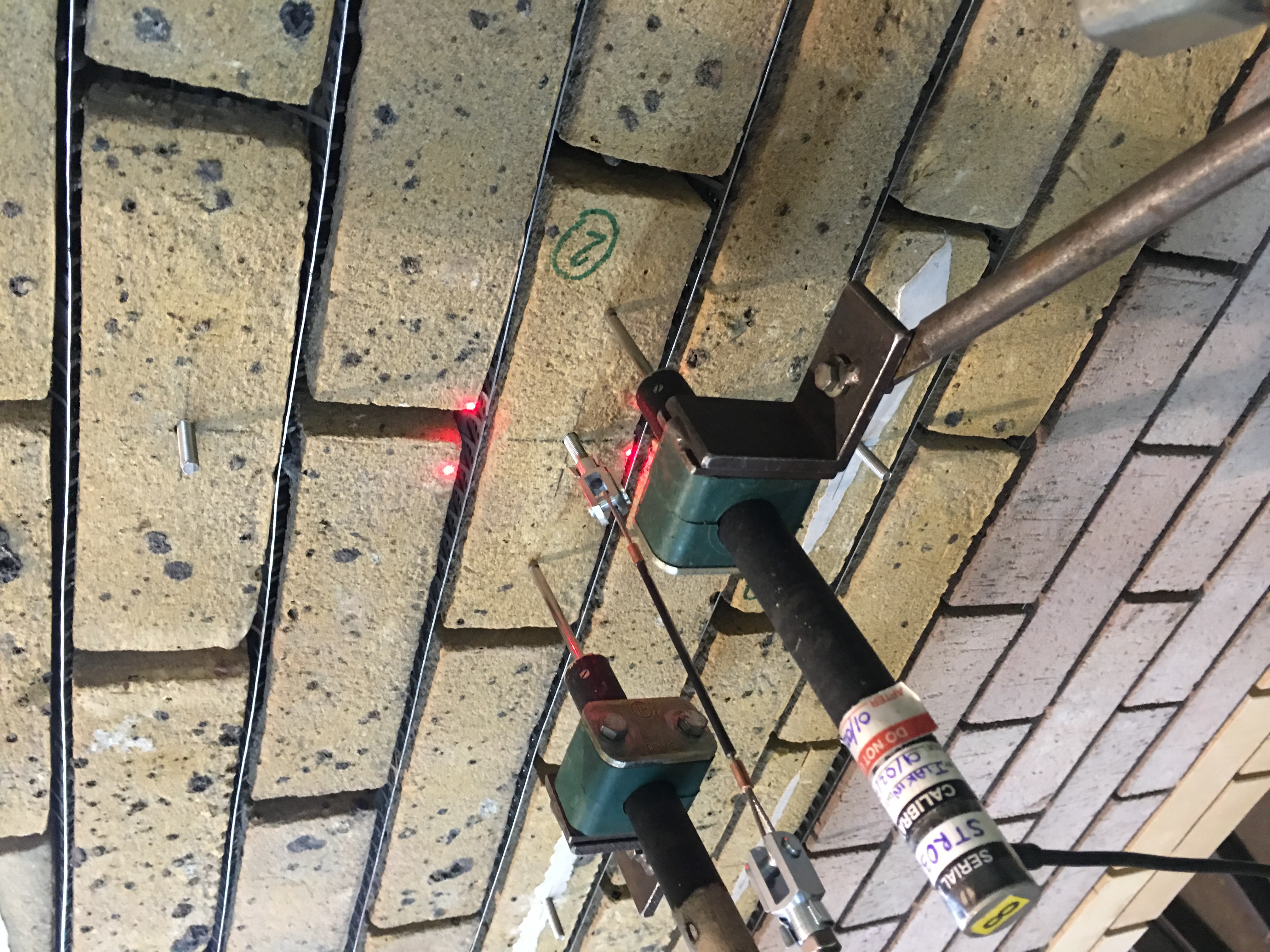
Figure 10: Pull-out testing in unmortared state - image James and Taylor
Tolerances
Where brick slips are produced by cutting full clay masonry units, dimensional tolerance becomes a critical interface issue between the brick product and the cladding system that retains it. Designers should confirm, at an early stage, the dimensional limits that a specific brick slip system can reliably accommodate, rather than relying solely on compliance with brick manufacturing standards.
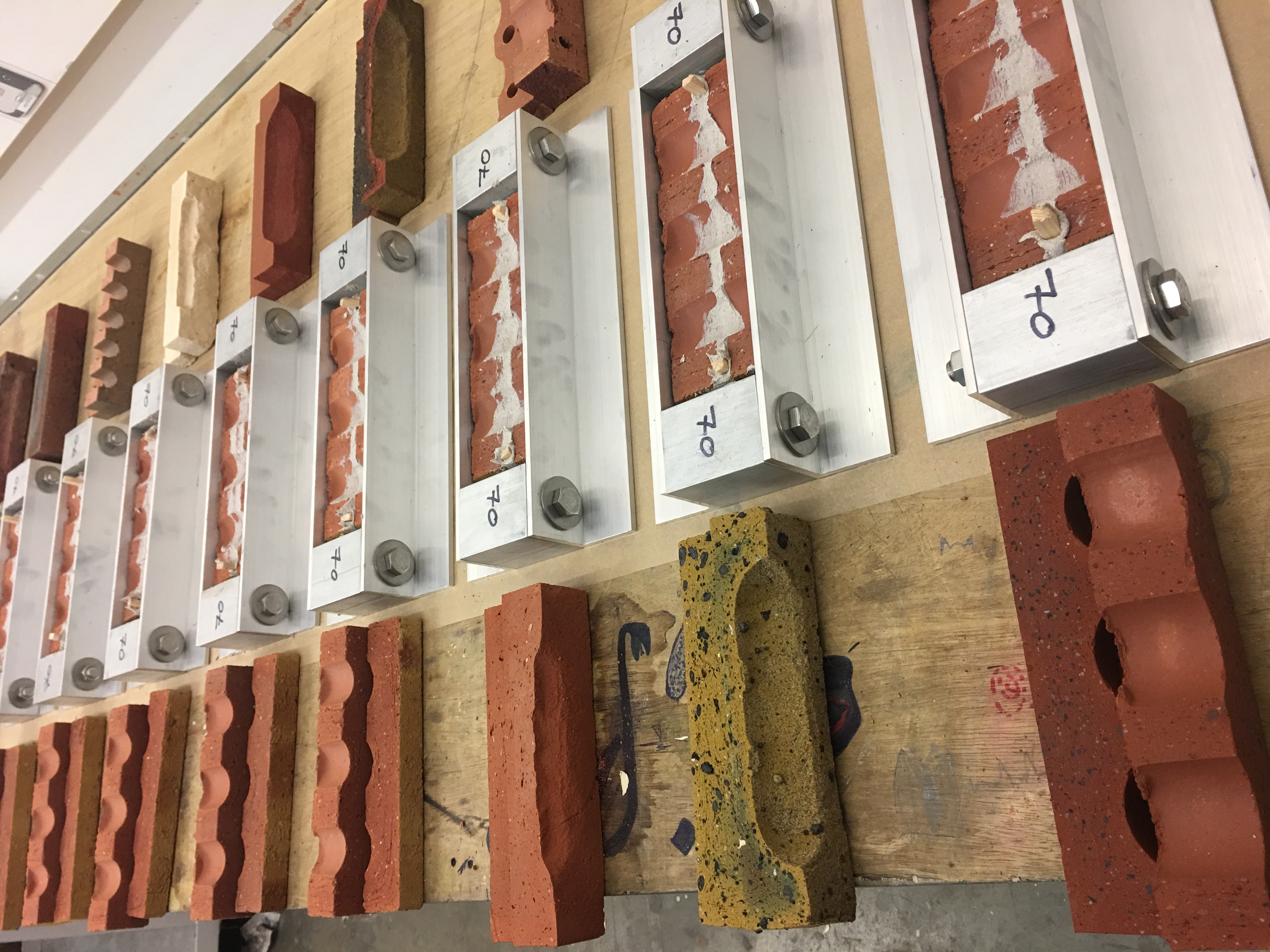
Figure 11: Size control testing - image James and Taylor
Clay bricks used to produce slips are commonly manufactured to BS EN 771‑1, which assesses dimensional conformity based on the mean value derived from a sampled population of units. While this approach is appropriate for masonry construction, it can result in individual bricks that are technically compliant with the standard, but which exhibit dimensions at the extremes of the permitted range.
In mechanically fixed brick slip systems, those extremes may fall outside the range that allows secure mechanical engagement with carrier rails or restraint features. The implication here is that conformity of brick slips with BS EN 771‑1 does not guarantee mechanical compatibility within a given brick slip cladding system.
Designers should therefore ensure that either the fixing system allows for appropriate adjustment, or that specific brick slips are selected and managed to suit the system’s engagement requirements. Early coordination between the brick supplier and system manufacturer is critical to mitigate risk in this respect.
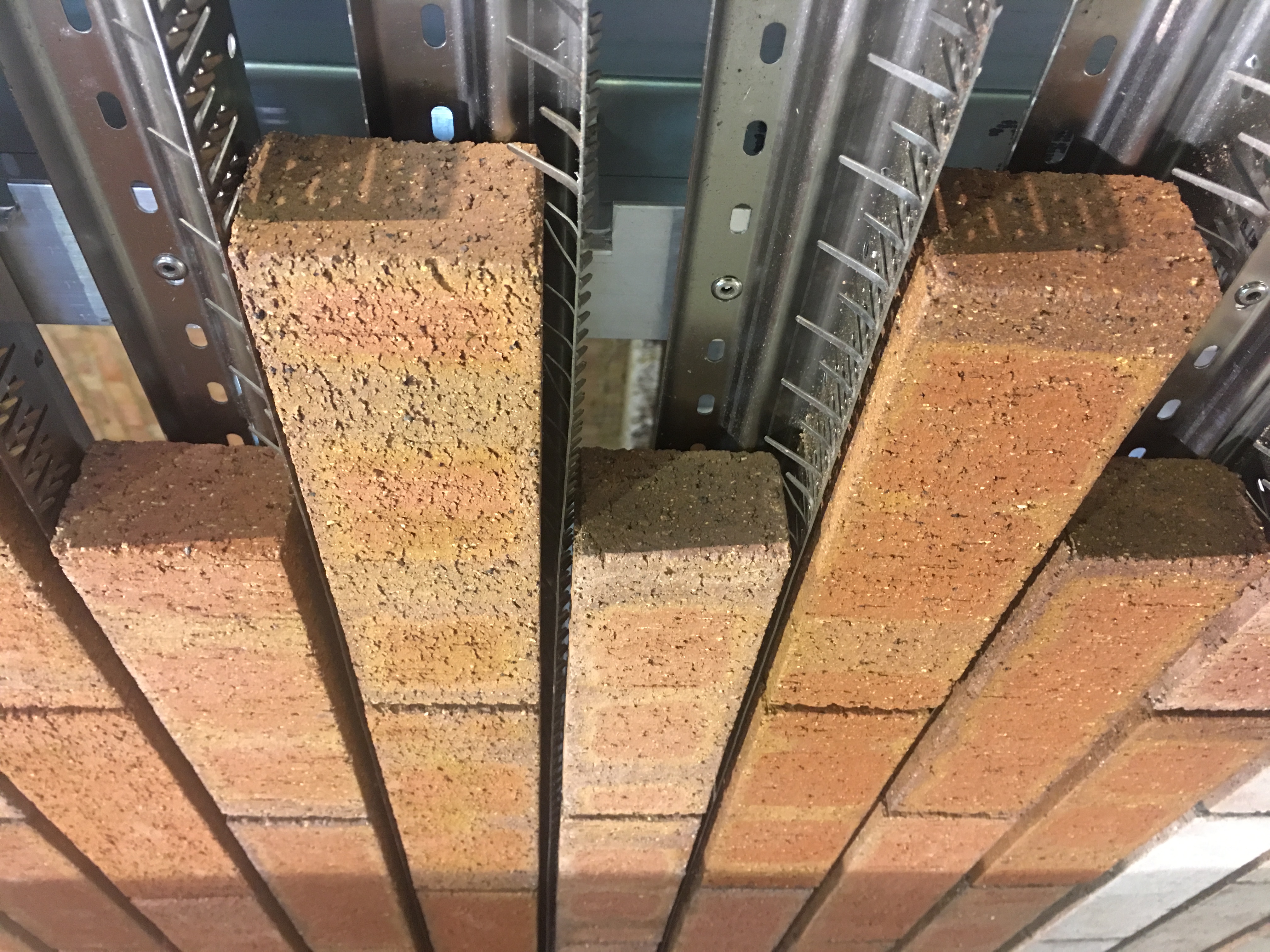
Figure 12: Slips mechanically engaged in the carrier rails - image James and Taylor
Durability testing
Beyond standard façade performance testing, designers are increasingly seeking assurance that brick slip cladding systems can accommodate long‑term environmental exposure and thermal movement without a reduction in safety or durability.
Depending on system configuration and exposure, durability assessments may include combinations of:
- Cyclic hygrothermal exposure to assess wetting, drying and thermal effects.
- Freeze–thaw cycling where saturation and freezing are credible in service.
- Repeated wind loading to evaluate fatigue and movement related effects over time.
Contemporary brick slip systems often combine components with differing mechanical characteristics. Lightweight metal support frameworks may experience repeated thermal movement and deflection under wind loading, while brick slips are typically finished with comparatively rigid mortar pointing.

Figure 13: Cyclic hygrothermal testing - thermal exposure - image James and Taylor
Where pointing sections are relatively thin and rely on adhesion to limited areas of the brick slip, the ability of the system to tolerate repeated movement over time, becomes particularly significant. This has led to a growing emphasis on system‑level durability assessment rather than reliance on short‑term testing or material compliance alone.
Where durability evaluation is undertaken, test assemblies are often designed at a scale that allows more realistic representative movements, deflections and restraint behaviour to be observed, rather than relying on small‑scale component testing alone.
The objective of such testing is to identify potential degradation or loss of restraint mechanisms, rather than to predict precise service life.
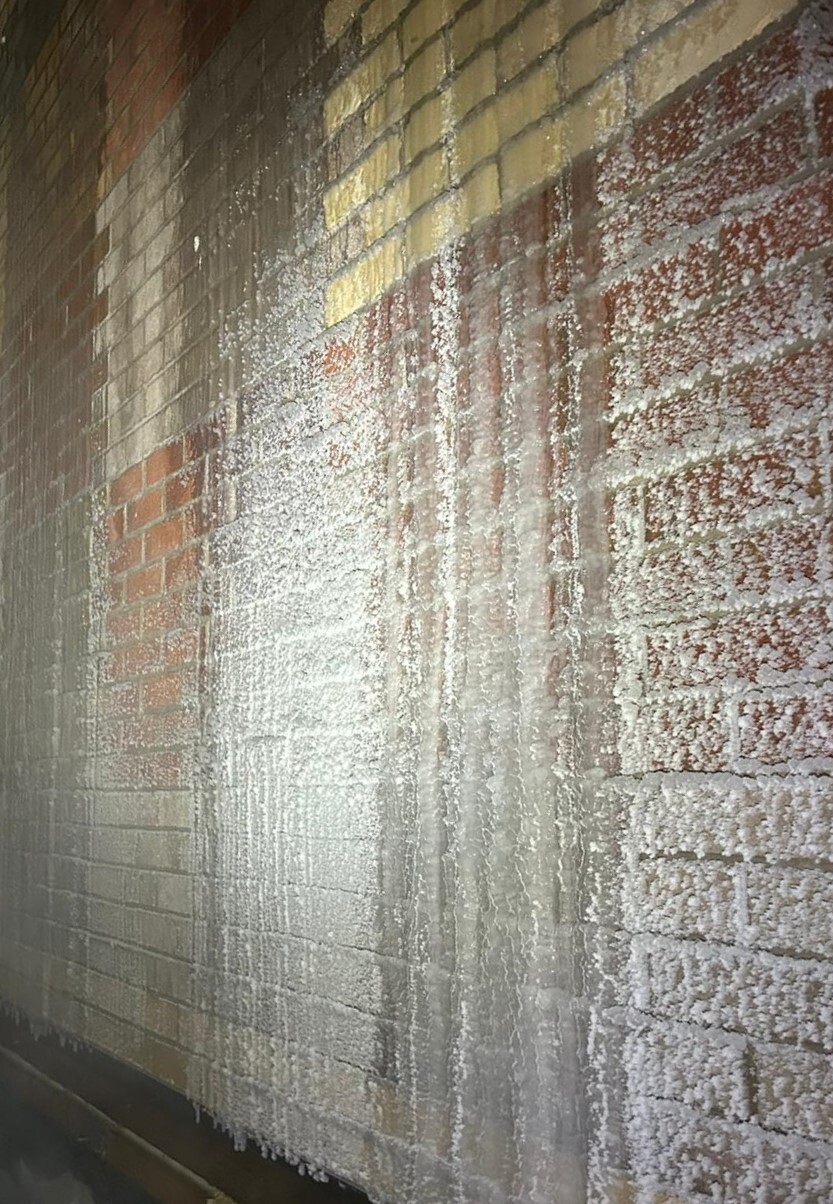
Figure 14: Freeze-thaw testing - image James and Taylor
Impact resistance testing
In many brick slip systems, mortar pointing is introduced only after a significant area of slips has been installed. During this construction stage, the system may be exposed to wind actions and accidental impact while the slips remain un‑mortared.
Recognising this, some project teams choose to assess system behaviour during this temporary condition, particularly where exposure or programme duration increases risk. Independent testing or assessment can be used to demonstrate that brick slips remain securely retained prior to pointing being introduced.
Detailing and impact performance play a significant role in the long‑term robustness of brick slip façades. Where slips return around corners or form changes in plane, providing positive mechanical support to all exposed faces reduces sensitivity to ageing, movement and accidental damage.
Similarly, designers should seek appropriate assurance regarding impact performance in both serviceability and safety terms, using recognised façade impact test methodologies such as the CWCT Technical Notes TN75 and TN76.
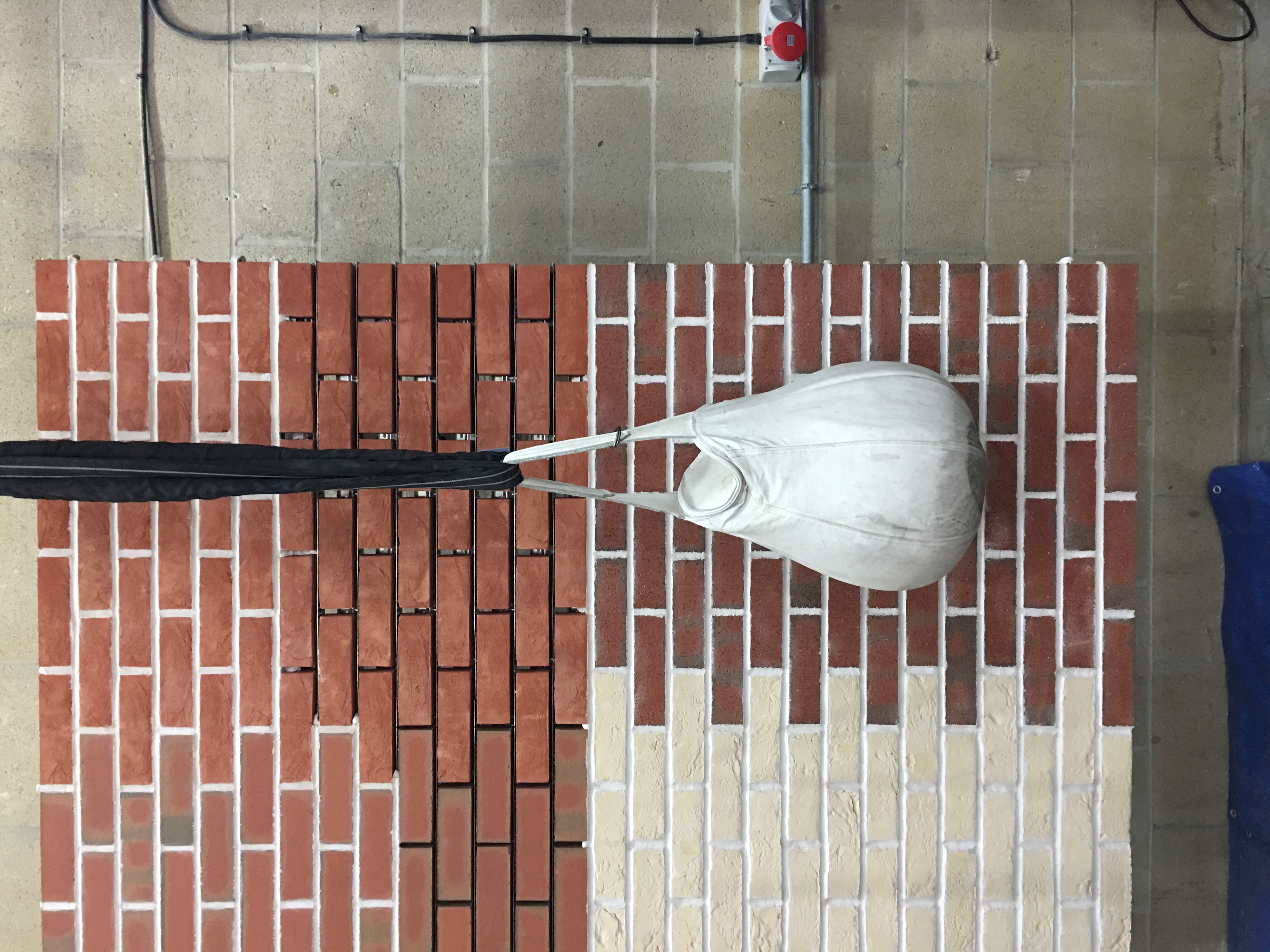
Figure 15: Impact resistance testing - image James and Taylor
Consideration may also be given to incorporating physical features that assist mortar retention, such as surface profiling or mechanical interlock, to improve resilience under repeated movement.
Robust specification: Driving a successful outcome
Brick slip cladding systems offer recognised advantages, including reduced façade weight, increased design flexibility, and improved buildability. However, their specification places greater responsibility on the design team to ensure that system performance is fully understood and properly coordinated. Attention must be given to fire performance, freeze–thaw resistance, and other safety critical requirements at both product and system level. Equally important is the careful design and management of interfaces, as these represent significant areas of technical risk and are critical to the overall performance of the building façade.
Robust specification, informed by CWCT guidance, façade engineering expertise, manufacturer collaboration and verified testing, is essential to ensure that brick slip cladding systems deliver architectural impact and economic value without compromising safety, durability or appropriate regulatory compliance.
By referencing BS EN standards and other appropriate regulatory requirements, aligning with UK Building Regulations, and adopting robust NBS Chorus specification practices, designers can balance design and innovation with demonstrably verified safety tests and longevity of performance.