
From the first versions of NBS, connecting specification writers with construction product manufacturers has always been a big part of what we do. In the 1970s, this was purely in the form of a promotional page within the paper version of NBS. This developed into the RIBA Product Selector directories, and then into digital websites for product literature, specifications and objects. In this article, Dr Stephen Hamil Innovation Director at NBS, introduces how product information is now integrated with specification in our cloud platform NBS Source.
In recent years, we noticed the trend that the construction industry was moving to a cloud future. With this in mind, we have fully moved our products to the cloud. NBS Chorus, our specification platform, was launched in 2019. NBS Source, our product information platform, was launched in 2020. Now, in 2021, we can provide well-structured product information to specifiers by connecting these platforms together.
1. Research on what specifiers want
At NBS, we receive customer feedback daily through conversations with our specifier and manufacturer customers. In addition to this, we typically host a number of focus groups before embarking on large development projects. Through recent discussions, many themes became clear: our specifiers had been using RIBA Product Selector, NBS Plus and the National BIM Library for many years, and were clear on how they wanted us to enhance the offering in our next development. Figure 1.1 below highlights some of the requests that we received. Clearer supporting information around third-party certification and guidance on the suitability of products was a clear theme. For example, knowing that a manufacturer system or product had been tested to achieve a particular performance – but only if installed in a particular system. This could be a doorset in a particular partition build-up, or a metal tile in a particular cladding system construction. Other themes were the ability to use digital technology to better collaborate with manufacturers’ technical support teams – whether this is getting advice on a web call or working collaboratively on specifications together.
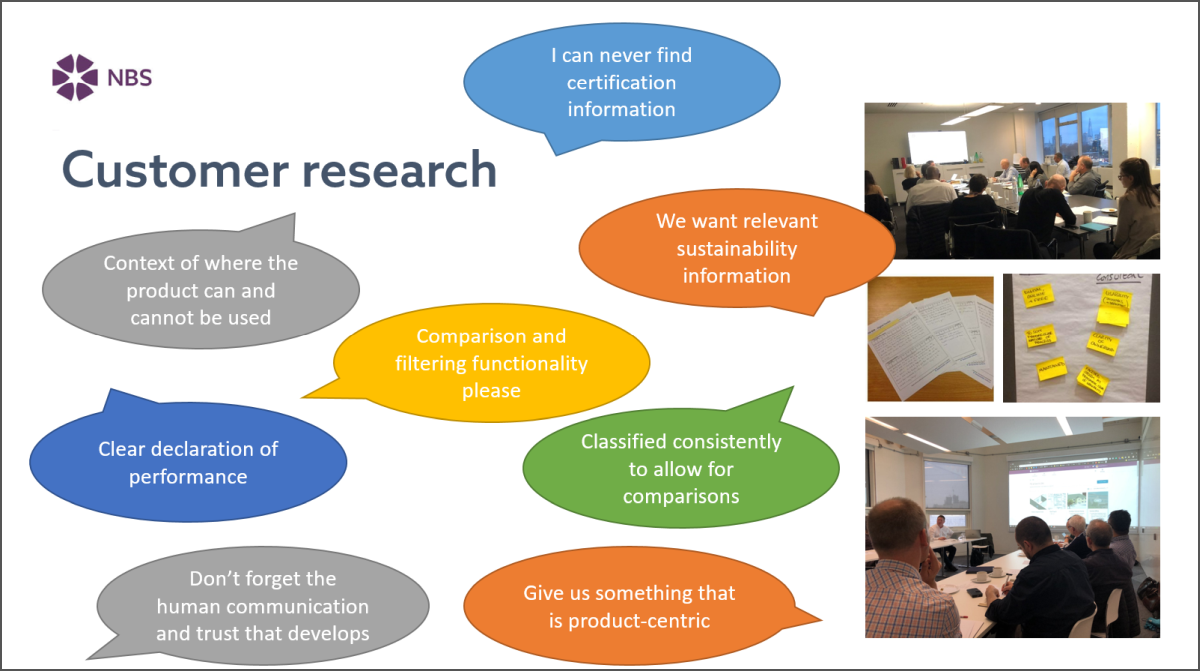 Figure 1.1 – Customer focus groups prior to starting out on the NBS Source development
Figure 1.2 attempts to group the many requirements into a list of ten for simplicity. Unsurprisingly, based on the make-up of the focus groups, specification was an absolutely key topic. We were asked to build a system in which manufacturer specifications matched the generic NBS specification structure. This would allow for better integration with the specification-writing process, and also give consistency so that all products could be filtered and compared. Technical characteristics around fire safety and sustainability were understandably raised as a priority.
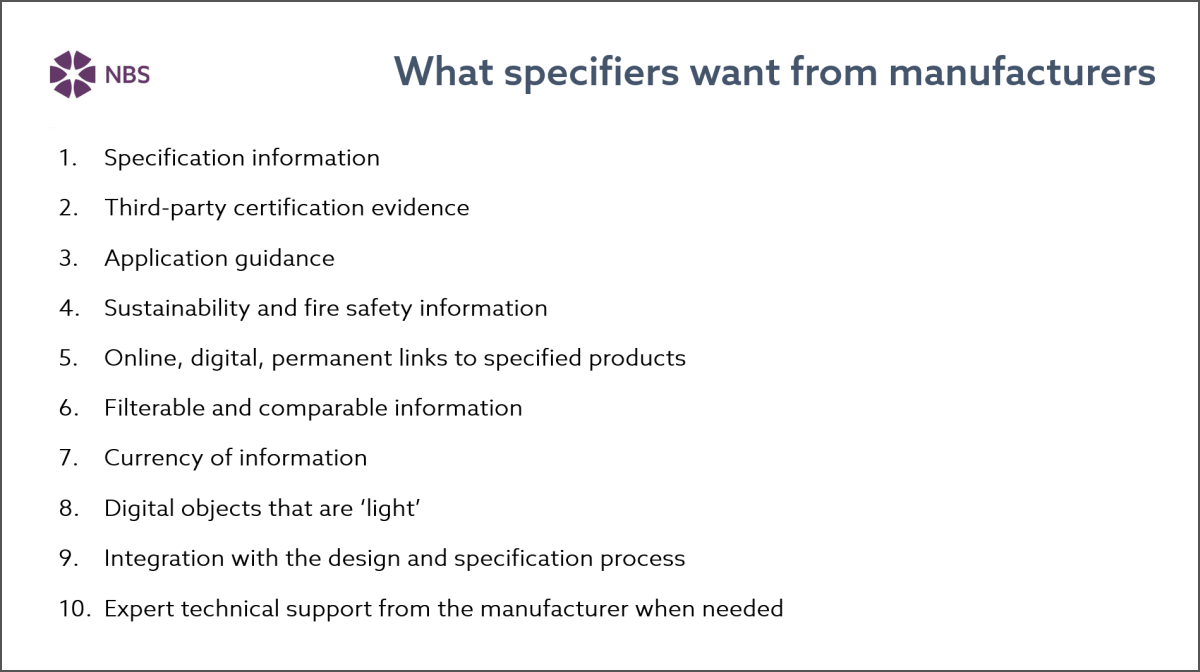 Figure 1.2 – What specifiers want from manufacturers
It also became clear that NBS users didn’t want three separate websites for this content: they wanted a single platform with a great user experience on any device.
We took this feedback back to the office, where we developed wireframes, and presented these back to our customers. Once we knew that we were on the right track, we developed and then launched NBS Source.
2. Structuring manufacturer product information
Now that NBS Source has been launched, and thousands of products have been enhanced to our new data structures, the best way to demonstrate its functionality is by going through content examples.
The video below shows a number of examples of manufacturer products that illustrate how we have responded to the customer requirements outlined in section 1 of this article. Each product example demonstrated in the video is also listed in the following blog post: https://constructioncode.blogspot.com/2021/06/examples-of-new-content-structures-in.html
Video – NBS Source – examples of well-structured manufacturer product information (1 of 3)
3. Integration into the design and specification process
What makes NBS different is how our platforms integrate. Developing a platform with well-structured information from the leading UK construction manufacturers is a useful exercise. But integrating the information within this platform with the NBS Chorus specification platform is what makes the NBS offering unique.
In the video below, a number of working methods are shown. Firstly, the way that products may be added to a specification within NBS Chorus in one click. Secondly, the way that products may be researched in NBS Source using comparison and filtering to find the right one, before copying and pasting it into the specification. Finally, the way that the specification and design process can be coordinated by working with Chorus and Source inside leading design tools such as Autodesk Revit.
Video – NBS Source – using manufacturer product information in design and specification workflows (2 of 3)
4. How specifiers are using NBS Source and Chorus
The final video to accompany this webinar looks at how a typical architectural practice is using Source and Chorus. Nick Greenwood from Maber Architects took the time to walk through an example using NBS Source to research the roof openings available on the market that satisfied the design. Once he has selected one, he adds it to the specification and configures it for the project. Finally, Nick links the object in the design to the specification using the NBS plug-in for Archicad to produce a fully coordinated design and specification.
Video – NBS Source – how architectural practices are using manufacturer product information (3 of 3)
Summary
We believe that these latest enhancements to our Chorus and Source integrated platforms are great news for both specifiers and manufacturers. At NBS, our development focus continues to be on building new features that will further meet customer requirements. For more information on all of the subjects covered in this article, please see the links below:
This article has a corresponding on-demand webinar.
Browse content now on our manufacturer product platform NBS Source.
Find out more about specifying using NBS Chorus.
If you are a construction manufacturer and would like to be part of NBS Source, please visit https://manufacturers.thenbs.com.