A wide range of interesting articles that help you make informed decisions and deliver the best projects for your clients authored by our team of NBS subject specialists and construction industry contributors.
Sustainability
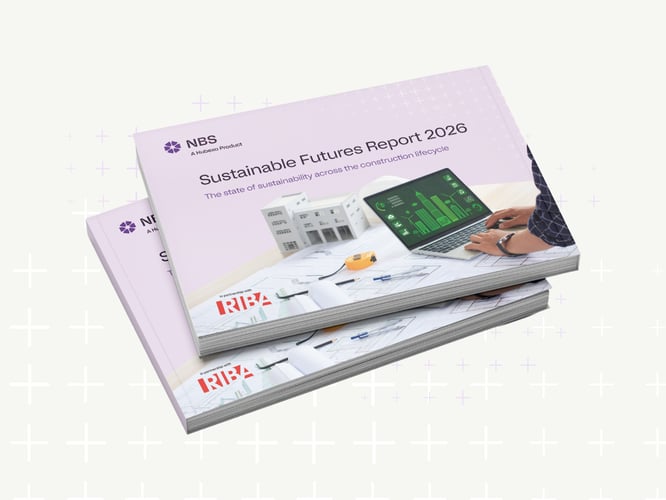
Sustainable Futures UK Report 2026
Explore the current state of sustainability in the UK construction industry based on the results from a comprehensive survey conducted by NBS.
Must Reads
Construction Products
Siderise: Helping to bridge the gap between Gateway 2 approval and on-site fire protection
While the new building safety regime hasn’t fundamentally changed what requirements higher-risk buildings (HRBs) must meet to comply with the Building Regulations, it has significantly increased the ...
RIBA CPD
RIBA CPD for Architects: Understanding Flooring Specification and Detailing
For architects and specifiers, flooring details can have a significant impact on the safety, accessibility, durability and overall performance of a building. Yet the technical considerations ...
Sponsored
Designing sustainability into construction – proof over promises in sustainable construction
With tightening regulations and growing client demand, the construction industry is under increasing pressure to demonstrate measurable progress against carbon reduction targets. For specifiers, that ...
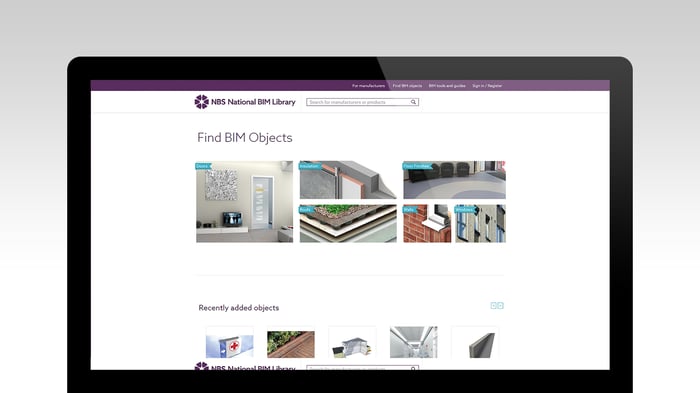
Exploring the NBS BIM Object Standard
In the first part of a new series we explore what the standard is and why standardisation is so important.
Design and SpecificationDigital Transformation
Reduce embodied carbon from the start
Measure, compare and reduce upfront embodied carbon using trusted UK data and pre-built assemblies.
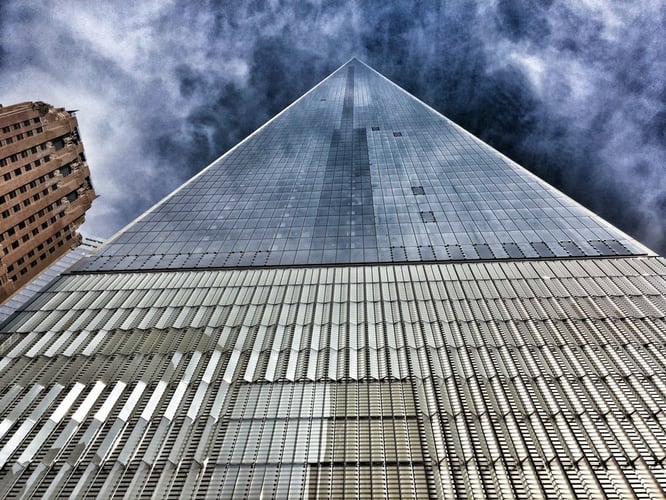
Image: The new One World Trade Center building, made with high-performance concrete. John D. Morris, CC BY-SA
Design and SpecificationDigital Transformation
What construction jobs will look like when robots can build things
By 2034/35, almost 20% of Australians (6.2 million) are projected to be aged 65 or over. One sector already feeling the impact of the ageing population is construction. In Queensland, the number of ...
Digital TransformationAustralia
The cities of the future could be built by microbes
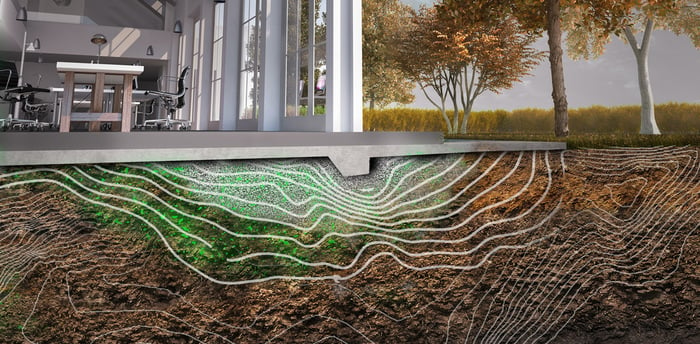
Image: Illustration of pressure sensing bacteria in soils from the ‘Computational Colloids Project’. Carolina Ramirez-Figuroa, Luis Hernan and Martyn Dade-Robertson, CC BY-SA
Design and SpecificationSustainability
Have your say in our EU Referendum Survey
Four months after UK’s referendum on our future in Europe, I would like to invite you to take part in a follow-up NBS survey about the future of our sector.
Design and SpecificationSustainability
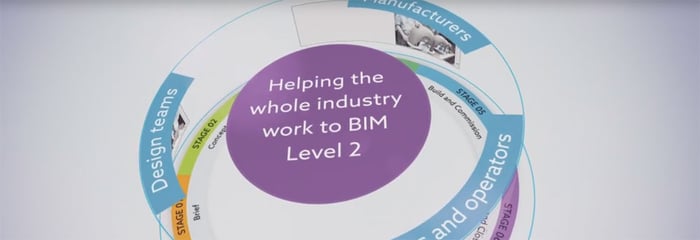
BIM Level 2 - Was it worth it?
Six months after the Government’s deadline, how well is BIM Level 2 working in practice? And, with the Department for Business, Energy & Industrial Strategy's planned £15m investment in Level 3, ...
Design and SpecificationDigital Transformation
Subscribe
Top 10 BIM myths debunked
Considering BIM implementation? Not sure who or what to believe? Don't let fear and falsehoods hold you back. Here we debunk 10 of the most common misconceptions around Building Information Modelling ...
Digital Transformation
BS 8536-2:2016 Design and construction : Code of practice for asset management (Linear and geographical infrastructure)
Introducing BS 8536-2: 2016. The BIM Level 2 suite of documents now includes a code of practice for asset management.
Standards and RegulationsDigital Transformation
10 material innovations shaping the buildings of tomorrow
The building blocks of tomorrow are being thought about in the classrooms and innovation labs of today. A whole new generation of construction material innovations are set to shape the buildings we ...
Construction Products
What is the Common Data Environment (CDE)?
The common data environment (CDE) is a central repository where construction project information is housed. The contents of the CDE are not limited to assets created in a ‘BIM environment’ and it ...
Digital Transformation
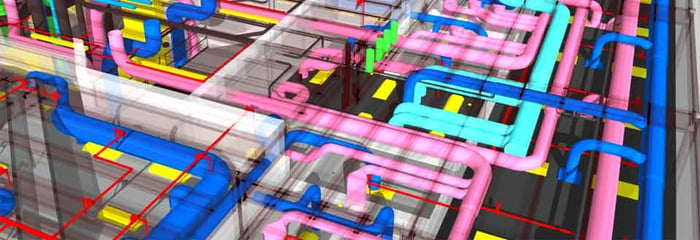
Building Information Modelling: What information is in the model?
Probably one of the most frequently asked questions from anyone working on a BIM project is “How much information should be in my model, or how much information am I expected to provide?”
Digital Transformation
Retentions: An outdated practice?
Retention is essentially money promised that is held back by the client to ensure themselves against contractor failure. Usually, retention is set at 3% or 5% of the total work value. That money is ...