Forbes describes digital twins as ‘a virtual model of a process, product or service’ - they enable teams to monitor, trial and experiment on a digital version of something physical. As a result, everything from wind turbines to entire cities can be optimised for performance.
The concept of a digital twin is quite simple, but has huge potential for a variety of different industries, from sustainability to space travel.
NASA’s early digital twins
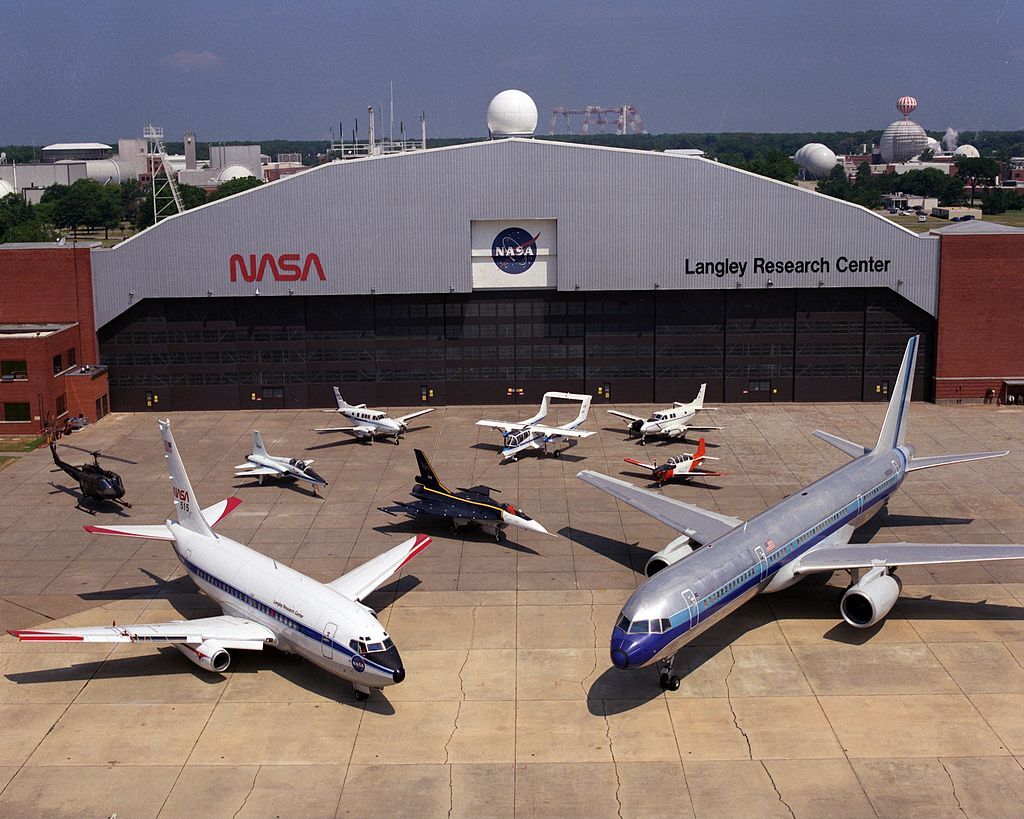
In the 1960s and 70s, NASA used an early form of digital twins called ‘mirrored systems’. The technology not only helped the engineers solve complex problems with their equipment, but also sometimes predicted the faults before they even happened.Back on planet earth, NASA has more recently employed digital twin technology to create an online replica of their Langley Research Center in Hampton, Virginia. The team has gone from digitising early floorplans to using over 300 apps which manage and measure the performance of nearly everything on their 764-acre campus. With the data collected, the team are working to improve things like site safety, crowd/traffic control and energy saving.
Inside Virtual Singapore
Singapore is the third most densely populated country on earth, with almost 8,000 people per square kilometre - so how do they trial solutions to common inner city problems without inconveniencing hundreds of people?Their answer was to create ‘Virtual Singapore’, a digital twin, which meant they could conduct a huge array of experiments from within the digital world.
What could Virtual Singapore measure?
- Flooding risk - by looking at the shape and terrain of buildings;
- Emergency procedures - such as evacuation routes and fire exits;
- Accessibility - by looking at pavement quality, shop frontage and public transport;
- Dynamic data - where buses are on their journeys, how busy certain buildings are;
- Sustainability - by monitoring refuse collections, recycling points, drinking water and green space.
So, are we ready for digital twins?
The Internet of Things has made a task like creating a digital twin accessible to a multitude of different businesses; this suggests that there could be a large increase in the number of digital twins being created in the near future. According to the Economist:
“The increasing affordability of sensors, widespread use of Wi-Fi and the data-throughput capacity of the cloud combine to make the application of large-scale digital twin modelling affordable for a range of manufacturers.”
However, as with any new technology, we run the risk of building digital twins before we are fully aware of their implications. Some of the questions being asked about digital twins include:
How ‘smart’ would our digital twin become?
It would be great if a digital twin could suggest improvements or changes based on the data it collects. But where would it end? Could the digital twin end up running itself?
Who would manage a digital twin?
Would they be real or virtual? Who would have final decision making responsibility?
Who owns the data collected by a digital twin?
The government, the person managing the platform, or the platform itself?
All things considered, it’s important that we learn as much as we can about digital twin technology before it starts learning anything about us.

As populations grow and urban areas sprawl, light pollution increases. This article explores several types of light pollution, the problems created and a few things to consider when specifying.