Rob Younger is currently a placement student at NBS as part of the PlanBEE initiative. Here he talks about his interest in the industry and what experiences he's had so far and where he hopes that will take him....
 I had gone through college wanting to be an engineer, completing Level 2 and 3 engineering and electrical electronic BTEC courses. However upon completing these, I did not know what type of engineer to be.... I did not know whether I wanted to be a site engineer or a design engineer. Little did I know there were a lot more job roles within the construction industry that I could fit into.
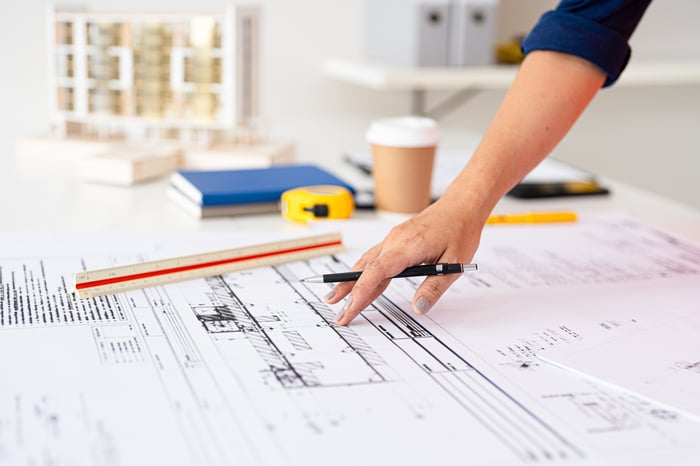
The PlanBEE apprenticeship is a course designed by employers within the construction industry such as Arup, Brims Construction, Cundall, Ryder Architecture, Sir Robert McAlpine, Tolent Construction, 3E Consulting and Xsite Architecture. The course was developed so that students coming into the industry from university would have practical experience and the ability to apply their educational knowledge through their experience.
When I saw that Gateshead College were advertising for an apprenticeship in Architecture, Engineering and Management. The promise of gaining months of experience in the different fields, including engineering really pulled me in as I thought I may be able to find a career in engineering that I enjoy.
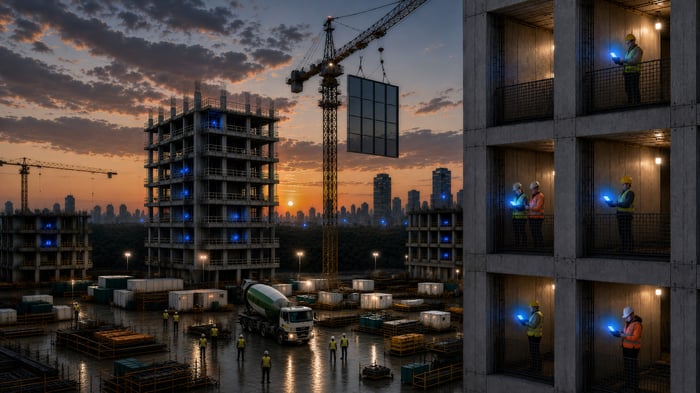
I didn’t realise how much work was actually needed to build houses and here I was able to see each different stage of the houses being built, all from excavations all the way through to the installation of boilers and radiators.
Rob Younger
Before I had even completed my first placement I realised that there were a lot more jobs within the construction industry than I had originally known. Now that I have had some experience in architecture, engineering and site management, I feel like my potential career options could be narrowing down and I could be nearing a decision as to what I wish to be doing in the future. However these potential career options would not have been made known to me had I not applied for the PlanBEE apprenticeship.
Its not the first time that I have been working within the industry… So far I've been on three placements, the first of these being at Arup, working with the electrical engineers on an underground metro system located in Saudi Arabia. The second placement was at Sadler Brown Architects, working alongside the architects producing designs for one off houses and apartments. My third placement was with Tolent Living, working on a site in Darlington producing a housing estate.
The most important and interesting placement for me was my third placement at Tolent. Working alongside the project managers and not only seeing but being a part of the whole house building scheme opened my eyes to how construction actually happened. On my previous two placements I had been designing on different software and not thinking about how it would be built. Here, working on site, I got to see how houses are built. I didn’t realise how much work was actually needed to build houses and here I was able to see each different stage of the houses being built, all from excavations all the way through to the installation of boilers and radiators.
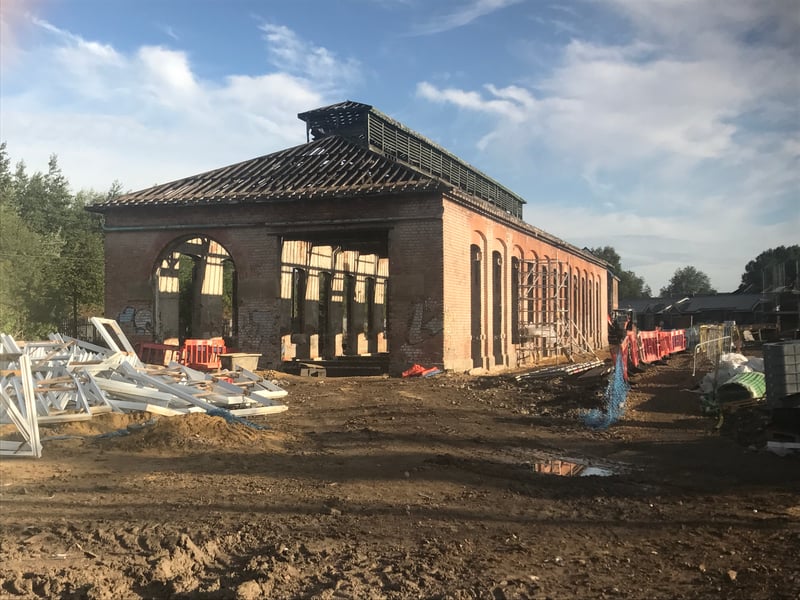
The most interesting part of the placement was the fact that we had a Grade II listed building on site, and old engine shed for the trains. The building was built in 1844 and was used for repairs on trains and carriages when they were broken. The building was just 2.8m from the East Coast Mainline cables which made it a very high risk building. With the building being so close to the line, we were not allowed to place scaffold around the building while the cable was live. We had to apply for a line shut down which took 18 weeks to plan, for us then to have five hours on a Saturday night to place the scaffolding around the building.
So far I've completed my HNC in Construction in the Built Environment and I'm starting my HND within the next week. This is my fourth placement on the PlanBEE scheme. Today is my first day at NBS and after a busy first day I have more of an idea of what NBS do. In the coming weeks I hope to gain a better understanding of what NBS does as a company and add to my knowledge which can be applied within the construction industry.
Image: The Grade II listed building in Darlington that is currently being converted into a block of seven houses which will be used for social housing.