Update: Since this article was first written, all the content from the NBS National BIM Library has moved across to NBS Source.
-------------------------------------------------------------------------------------------
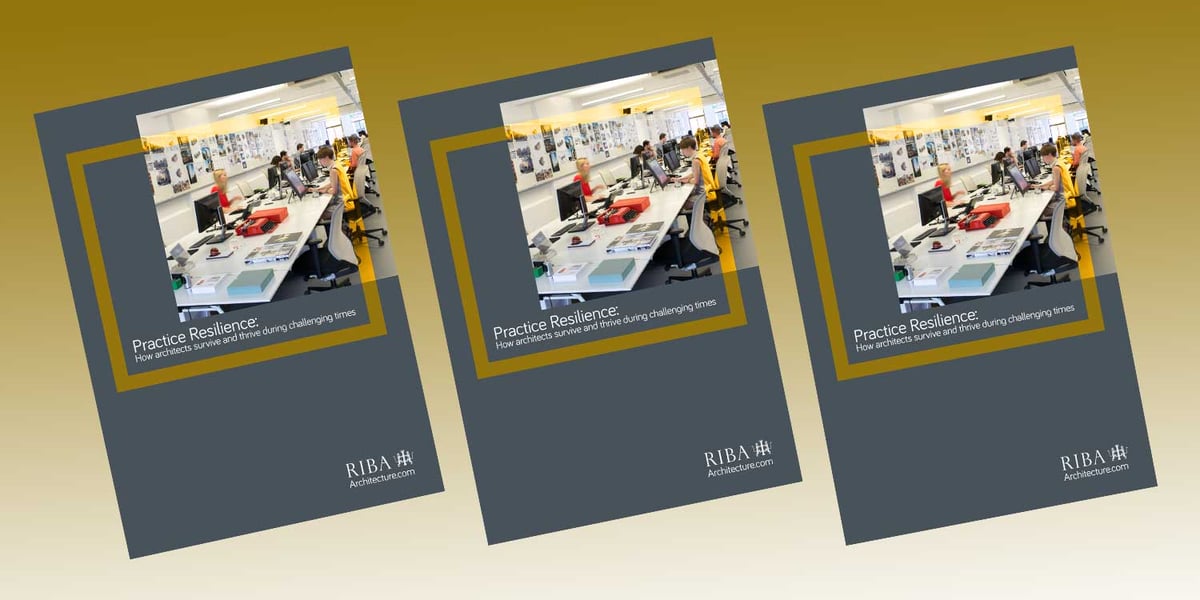
Despite the challenges of Brexit and a snap general election, resilient architectural practices have been able to adapt to recent changes as they have done in the past. The RIBA-commissioned research document, Practice Resilience: How architects survive and thrive during challenging times, identifies four key characteristics:
- Business-focussed - Growth is not the main driver for resilient practices, who prioritise creating a strong, sustainable business by investing in the right team, improving how they operate and protecting their financial stability.
- Innovative - Resilient practices are influencers in the future of architecture. They take a long term view and are investing in technology, research and skills to expand business opportunities.
- Adaptable - Resilient practices take a proactive approach to business strategy and scenario planning – during the good times and the hard times – preparing them to respond to unexpected change or opportunity.
- Diverse and inclusive - Recruiting, developing and retaining the right staff who have a good fit with the organisational culture is seen as key to growing sustainably. Resilient practices are passionate about the importance of staff from the EU, and beyond, who help to create: rich, interesting places to work; stronger businesses; and better architecture.
RIBA President Jane Duncan said:
“The RIBA is working to ensure our members have the information and skills to help them to remain agile, in order to thrive even in the most challenging times.
This research is extremely valuable reading, providing inspiration from practices who have built resilience into their businesses, enabling them to make the most of the employment and business opportunities even during a time of economic uncertainty.”
Download the full free report