
Executive summary
Modular construction aims to deliver projects more efficiently, with improved quality and a lower environmental impact. Its success, however, depends on careful specification at every stage: design, manufacture, transport, installation, and operation. This article outlines a framework for good practice for the specification of modular construction projects, encompassing design integration, performance standards, compliance, digital processes, and lifecycle considerations.
By using Uniclass classification and writing system‑based specifications in NBS Chorus, the performance and evidence of compliance requirements can be stated and help to maintain the golden thread of information under the ISO 19650 series.
Introduction
Modern Methods of Construction (MMC) use offsite prefabrication techniques, including modular volumetric systems (whole units constructed offsite), panelized assemblies (a series of elements and components, put together on site) and ‘additive’ manufacturing (use of 3D printed components for potentially complex geometries). Components or even entire structures are built in controlled factory environments and transported to the site for assembly. To achieve the full benefits, specifications must be robust, covering design, performance, safety, and regulatory standards.
The benefits of using modular products, however, rely on having clear, precise specifications which help to manage risk and ensure compliance with performance, health and safety, and regulatory requirements throughout the project.
Classifying systems and products using Uniclass supports coordination with building information management (BIM) and facilitates asset‑level data handover.
The following is an example of NBS Chorus relevant Uniclass content:
Pr_20_65_50 Modular products (Product table → Structural and general products→ Prefabricated buildings and structures).
Use this code for the principal modular building products in models, schedules, and specifications.
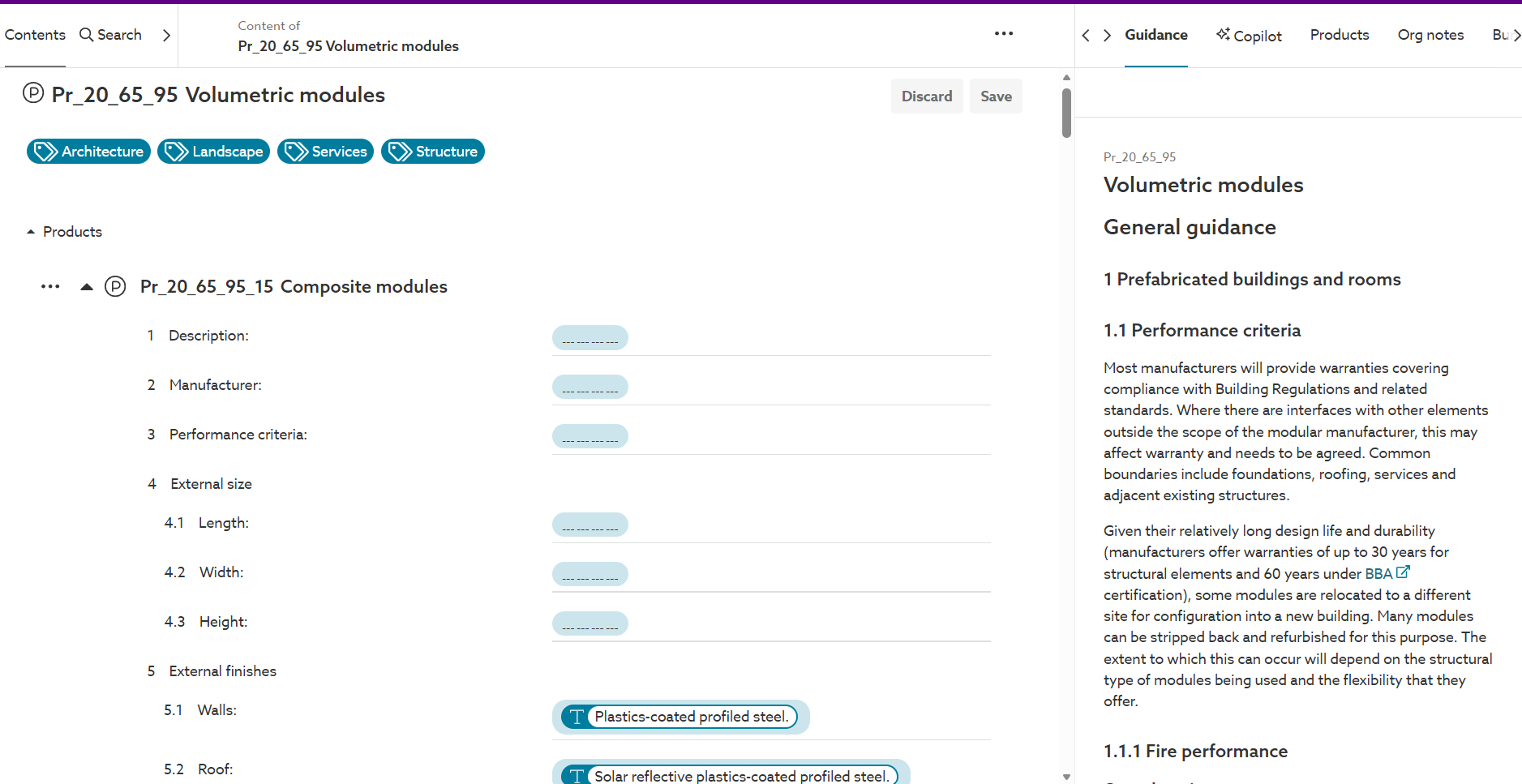
Figure 1: Pr_20_65_95 Volumetric modules
Design considerations
Designing for modular construction requires applying modular principles from the start of the project and using design for manufacture and assembly (DfMA principles (the grid, module sizes, lifting points, logistics). The design will need to consider some specific aspects of the construction, for example, the load paths, progressive collapse, fire compartmentation, and the serviceability of the building from factory to in‑use. The building performance is also a critical area of design; acoustic and thermal performance, airtightness, and accessibility should be addressed without compromising the integrity of fire or thermal performance systems.
Safety
Safety considerations cover such aspects as fire, structural, and installation, fire stopping of compartment, cavity barriers installed where required (including hidden voids that can be created when modular units are stacked or abut one another), and intumescent seals. Fire concerns include the lack of fire performance certificates or lack of clarity over fire structural design, as highlighted in guidance issued by the Royal Institution of Chartered Surveyors (RICS). Structural safety requires verification of load-bearing capacity and stability during lifting and installation. Safe installation involves the need for risk assessments for crane operations, working at height, and temporary work. All safety measures must comply with the Building Safety Act and CDM Regulations.
Why specification matters
Specifications are more than just technical documents. A robust specification removes ambiguity, aligns with Building Safety Act duties, satisfies funder/insurer expectations, and supports warranty acceptance. Clear Uniclass coding and NBS Chorus information structures improve coordination across drawings, schedules, and model data (such as BIM, etc.) and can support gateway evidence and the golden thread. The specification is an important document that can be evidence of the requirements and intent at specific points in the construction process and is often used as an important or critical reference document in matters of contractual clarity, disagreements, and litigation.
Key elements of best practice specification
1. Clarity and precision
- Clearly defined dimensions, tolerances, and performance criteria.
- Drawings, schedules, and BIM models are to be referred to within the specification and should be coordinated where appropriate.
- Consistent use of terminology and classification.
2. Compliance with standards
In the UK, all building work, including modular, must comply with the UK Building Regulations. All modular products must comply with relevant standards covering fire safety, acoustics, structural integrity, and thermal and energy performance. Specifications should reference the appropriate British Standards (BS), ISO standards, and MMC frameworks.
3. Lifecycle and sustainability
A robust specification should embed clear sustainability and lifecycle considerations to ensure long-term performance and support organizational net-zero ambitions. Key elements include:
- Durability: Selecting materials and systems that provide long-lasting performance, reducing the need for premature replacement.
- Maintenance: Defining maintenance requirements that are efficient, practical, and minimise resource use throughout the asset’s life.
- Reuse and Adaptability: Prioritising solutions that enable components to be repurposed or adapted as needs evolve, extending the asset’s useful life.
- Disassembly: Ensuring materials and assemblies can be easily taken apart to facilitate repair, upgrade, or end-of-life processing.
- Embodied Carbon: Evaluating and reducing the carbon impact associated with material production.
4. Digital integration
Digital coordination is essential for successful MMC delivery. Best practice involves embedding specifications within BIM workflows, using digital product passports to ensure traceability, and making sure modular components are fully interoperable with digital systems. Digital Product Passports are moving toward mandatory status in the EU, with construction products included as part of the revised CPR 2024. While not yet required within the UK domestic market, UK manufacturers supplying the EU must comply. Adoption in the UK is expected to grow due to regulatory alignment and market demand.
5. Flexibility and modularity
Specifications should embed controlled flexibility that enables variation where needed while safeguarding core performance and compliance requirements. Clear rules for configuration, compatibility, and interface standards must be established to ensure components integrate reliably across different modular arrangements. Solutions should be designed to be scalable, repeatable, and efficient to assemble, supporting streamlined delivery and consistent quality across projects. At the same time, specifications must allow for future adaptability - such as reconfiguration, extension, or replacement without compromising safety, regulatory obligations, or long‑term asset performance.
Site safety during installation
Site safety during the installation of modular units is critical to preventing accidents and ensuring full compliance with CDM Regulations and HSE guidance. Specifications should set out clear requirements for safe installation practices, including:
- Comprehensive risk assessments covering lifting operations, working at height, and any other high risk activities associated with modular assembly.
- Crane utilization protocols include defined crane positioning, lifting plans, exclusion zones, and any necessary temporary work to maintain stability during installation.
- Personal Protective Equipment (PPE) standards, ensuring all personnel are equipped and trained in the correct protective gear for the tasks involved.
- Emergency procedures, including rescue arrangements, site specific emergency routes, and communication of roles and responsibilities.
- Clear communication protocols to support coordinated, safe working—covering hand signals, briefings, and real time communication between lifting teams, installers, and supervisors.
By embedding these safety requirements into the specification, projects can reduce risk, maintain compliance, and ensure a safe, controlled installation environment for all site personnel.
Sustainability
Sustainability is a core objective of modular construction, with a strong focus on reducing waste, optimizing material use, and lowering carbon emissions throughout the project lifecycle. Modular units can be designed for ease of disassembly, enabling components to be reused, reconfigured, or recycled at end‑of‑life, thereby supporting circular economy principles and extending the value of built assets.
Specifications play a vital role in driving these outcomes by setting clear targets for waste reduction, recycled content, embodied carbon performance, and airtightness. They can also mandate sustainable material choices, for example, responsibly sourced timber, low‑carbon concrete alternatives, or recyclable metals manufactured under robust factory‑controlled quality systems such as ISO 9001, ISO 14001, and ISO 45001, where relevant.
Performance requirements may also be embedded within the Preliminaries section of the specification to ensure high levels of airtightness, effective thermal insulation, and accurate embodied carbon reporting in accordance with standards such as BS ISO 14068-1. By integrating these sustainability measures from the outset, modular projects can achieve more consistent environmental performance, contribute to net‑zero goals, and deliver long‑term value for clients and end users.
Performance criteria
1. Fire
Fire performance is a critical consideration when specifying modular construction products, particularly within Modern Methods of Construction (MMC). Because modular buildings are manufactured off-site and assembled on-site, fire safety must be integrated into product design, factory processes, and installation from the start to ensure the integrity of the fire performance is maintained.
Fire performance includes both fire resistance and reaction-to-fire properties. In MMC systems, factory-controlled installation of fire barriers and intumescent seals can improve consistency and reduce workmanship variability. However, fire-stopping and compartmentation may be compromised during transport and on-site assembly, particularly at module interfaces where unintended voids or gaps can occur. Concealed junctions may also restrict post-installation inspection. Insurer and fire sector guidance, including that from the Association of British Insurers and the National Fire Chiefs Council, emphasizes the need for robust quality assurance and inspection regimes to address these risks.
Specify products clearly: For example, use the following Uniclass product codes for fire integrity/compartmentation items:
- Pr_25_80_80 – Smoke and fire cavity barriers (e.g., mineral wool, or intumescent sleeved types).
- Pr_25_80_81 – Smoke and firestopping (e.g., Pr_25_80_81_42 Intumescent linear gap seals for movement joints, etc.)
2. Structural
Structural integrity is essential in modular construction to ensure safe lifting, transport, and long-term performance. Modules engineered for strength and precision help reduce structural defects, and off-site quality assurance supports compliance with Eurocodes. However, dynamic loads during lifting and transport can cause damage if not responsibly managed, and incorrect stacking or inadequate temporary works can compromise stability.
Where structural insulated panels (SIPs) are used, specify using e.g.
- Pr_20_93_85_90 – Timber structural insulated panels (SIPs.).
3. Durability
Durability in modular construction depends on careful material selection, detailing, installation, and maintenance. Factory-controlled assembly reduces exposure to moisture, improving longevity, and the use of engineered materials can enhance overall durability.
4. Acoustic
Acoustic performance in modular construction covers both sound insulation and vibration. Precision manufacturing improves airtightness and reduces flanking paths, while acoustic insulation can also be integrated during factory assembly. However, lightweight modules can transmit impact noise, so resilient layers and careful detailing are important. Poorly detailed junctions and connection details of modular units need to be considered to prevent unintentional acoustic bridging.
5. Thermal and airtightness
Thermal performance in modular construction must comply with the Building Regulations and guidance and address the risk of overheating. High levels of airtightness are achievable where modules are built under factory conditions, which improves energy efficiency. The use of more advanced technologies and high performing insulation and use of thermal breaks can be incorporated to achieve high levels of thermal performance. However, poor detailing at junctions can create thermal bridges, and lightweight structures may be prone to overheating and require passive cooling strategies.
6. Compliance and standards
It is important that modular construction follows the same Building Regulations requirements as other construction methods within the UK, although meeting these requirements may be difficult and require specific discussion with Building Control authorities around the associated risks. This can also lead to insurers being concerned about this type of construction.
Although there are currently no specific standards covering MMC, The International Standards Organization (ISO) has established a new sub committee to develop global standards for prefabricated buildings, which when available, will be adopted in the UK as BS ISO standards.
Modular construction products must follow the legislative requirements as products and carry UKCA marking for Great Britain and UKNI marking for Northern Ireland and comply with the Construction Products Regulation. Early engagement with insurers is recommended to ensure alignment with property protection standards, and third-party certifications such as BBA or BRE Global should be verified.
Within the UK, BSI has published PAS 8700 to strengthen confidence in Modern Methods of Construction (MMC) for residential developments. This is the first comprehensive framework for consistent and safe adoption of MMC across new-built housing projects, whether partially or fully using offsite construction. PAS 8700 sets requirements for applying Design for Manufacture and Assembly (DfMA) and MMC throughout the project lifecycle; from early design and factory production to onsite assembly, maintenance, adaptation, and end-of-life (reuse). There are also useful references in the NHBC Technical Standards | NHBC Part 11, which has been added for MMC and includes site assembly, maintenance, adaptation, and end-of-life.
Key standards commonly referenced in modular specifications
A robust modular construction specification should reference the same relevant national and international standards as all construction methods, that guide quality, safety, and information management. Commonly cited standards include:
- PAS 8700 ‘Modern Methods of Construction for New‑Build Homes’ Provides a governance framework for MMC, covering process requirements, quality assurance, and lifecycle alignment for residential projects.
- Guidance from the National Fire Chiefs Council, supported by commentary from UK insurers including the Association of British Insurers, highlights specific challenges in evidencing fire performance in MMC systems and the need for standards and testing frameworks that go beyond traditional benchmarks.
- EXAP/DIAP ‘Extended and Direct Application of Fire Test Results’: Sets out the rules for extending or directly applying fire test evidence to product or system variations without full retesting. These conventions ensure that permitted changes in modular components continue to comply with BS EN 13501 classification requirements.
- ISO 19650 series ‘Information management using BIM’: Establishes structured information management principles across a project’s lifecycle, including Common Data Environment (CDE) workflows, defined roles, approval processes, and data exchange protocols.
- NHBC Standards Part 11 - Modern Methods of Construction (MMC) general, provides warranty acceptance criteria for MMC systems, covering general requirements as well as closed‑panel and volumetric modular solutions.
Structural design standards
- BS EN 1990 – Basis of Structural Design
- BS EN 1991 – Actions on Structures (wind, snow, imposed loads)
- BS EN 1992 – Concrete Structures
- BS EN 1993 – Steel Structures
- BS EN 1995 – Timber Structures
MMC consideration: Load cases must include manufacture, transport, lifting, and installation phases.
Acoustic standards
- BS EN ISO 16283 – Field measurement of sound insulation
- BS EN ISO 717 – Rating of sound insulation
Thermal, airtightness, and energy standards
- BS EN ISO 6946 – Thermal resistance and U-values
- BS EN ISO 10211 – Thermal bridges
- BS EN ISO 9972 – Airtightness testing
- SAP / SBEM – Whole-building energy assessment
Manufacturing, quality, and assurance
- Factory-based MMC relies heavily on robust QA systems.
Management systems
- BS EN ISO 9001 – Quality Management
- BS EN ISO 14001 – Environmental Management
- BS EN ISO 45001 – Health and Safety
MMC-specific assurance
- BOPAS (Build offsite Property Assurance Scheme)
- Covers durability, maintenance, and quality management.
- Often required by funders and insurers.
Digital information and BIM
- ISO 19650 series – Information management using BIM.
- BS EN ISO 19650-1 – Legacy references
- Uniclass 2015 – Classification of modular systems and components
Other relevant standards and PAS documents
- PAS 8670 – Competence of principal designers
- PAS 8671 – Competence of principal contractors
- BS 8536 – Briefing for design and construction (DfMA-aligned)
- CIC / MHCLG MMC Definitions Framework
 Figure 2: Modular units under construction
Delivery and installation
The sequence of deliveries needs to match the installation. Fire The integrity of maintaining fire performance at junctions and service penetrations is critical. Ensure inspections are carried out and installation is verified, particularly for thermal breaks and cavity barriers. Use of accredited installers should be undertaken for critical connections.
The delivery and installation of modular construction units are critical stages in ensuring quality, safety, and performance in Modern Methods of Construction (MMC). Effective planning, coordination, and verification are essential to maintain the integrity of factory‑built modules and achieve efficient on‑site assembly.
Delivery
Important aspects to enable a successful delivery.
- Logistics planning: Transport routes, access constraints, lifting zones, and site readiness must be assessed early.
- Module protection: Units should be transported with appropriate weatherproofing, structural bracing, and impact protection to prevent damage.
- Inspection on arrival: Each module should be checked for structural integrity, alignment, finishes, and any transport‑related defects before installation.
- Storage and sequencing: Modules must be stored safely, with clear sequencing to support efficient craning and assembly.
Installation
The following aspects are important considerations for successful installation:
- Craning and positioning: Lifting operations must follow engineered lift plans, using certified lifting points and competent personnel.
- Structural connections: Module‑to‑module joints, fixings, and load paths must be installed exactly as designed to maintain structural and fire performance.
- Weatherproofing and sealing: External joints, membranes, and interfaces must be sealed immediately to protect the building envelope.
- Services integration: Mechanical, electrical, and plumbing connections should follow coordinated interface details to ensure compliance and performance.
- Quality assurance: Each installation stage should be inspected and signed off, ensuring alignment with design tolerances, fire‑stopping requirements, and acoustic and thermal performance criteria.
Well planned delivery and precise installation are essential to preserve the quality achieved in the factory, reduce on‑site risks, and ensure modular buildings perform as intended throughout their lifecycle.
Verification and accreditation
Ensuring that a project meets its design intent and performance requirements is essential, particularly as the construction sector places greater emphasis on accountability and transparent information management. Collecting evidence during the post‑construction phase plays a vital role in demonstrating compliance and maintaining a reliable digital golden thread of information in line with the BS EN ISO 19650 series.
Key documentation, such as Declarations of Performance (DoPs), fire safety certification, and mock‑up installations, helps verify that systems and components perform as intended. These measures also enable meaningful comparisons between factory‑controlled production and on‑site installation quality. Where additional assurance is required, accredited third‑party certification can provide independent verification and reinforce confidence in the finished solution.
Design and compliance
Important considerations for the design of modular and MMC based projects include:
- Third-party certified verification of performance requirements, e.g., for structural, fire, acoustic, and thermal performance.
- Demonstrating compliance with Building Regulations and relevant British Standards, including emerging MMC‑specific specifications such as PAS 8700.
Factory production control
Key aspects to consider during factory‑based manufacturing include:
- An audited quality management system (e.g., BS EN ISO 9001).
- Material traceability and fully documented quality inspections to ensure consistency and accountability.
Testing and certification
During the testing and certification phase, project teams should prioritize:
- System level testing of modules, joints, interfaces, and other critical elements.
- Valid third party certification such as NHBC Accepts or equivalent schemes, to support compliance and build confidence among stakeholders.
On site verification
On-site assurance remains a critical part of the process:
- Installation inspections for alignment, sealing, and fire stopping and workmanship.
- Competency evidence for installers ensuring that those assembling the system are suitably trained and qualified.
Ongoing assurance
To maintain long-term confidence in the completed project:
- Retain records of surveillance audits to demonstrate ongoing compliance.
- Secure warranty and insurance acceptance, ensuring the building continues to meet required performance standards over its lifecycle.
Conclusion
Modular construction can only achieve its full potential for speed, quality, and sustainability when specifications are clear, testable, and digitally managed. Embedding modular principles from the outset, defining system level performance, and rigorously controlling interfaces, installation, and verification all help to reduce risk and ensure regulatory compliance.
Aligning specifications with PAS 8700:2025, UK Building Regulations, Uniclass classification, NBS Chorus authoring, and ISO 19650 information management creates a consistent, collaborative framework. This approach strengthens approvals and warranty acceptance (such as NHBC Standards 2025 – Part 11 (MMC).), improves quality and consistency, supports innovation, and ultimately delivers safer, more efficient, and more sustainable modular buildings.
Sources (key references cited above)
- Uniclass (Systems, Products, Tools & Equipment tables)
- ISO 19650 (information management using BIM / CDE
- BS EN 13501 (fire classification series)
- PAS 8700:2025 (MMC for new build residential)
- NHBC Standards 2025 – Part 11 (MMC)
- LOLER (HSE L113 ACOP and guidance)
- LFB thematic report commentary on modular buildings (2025)